Verbascum
Verbascum bombyciferum
Perennials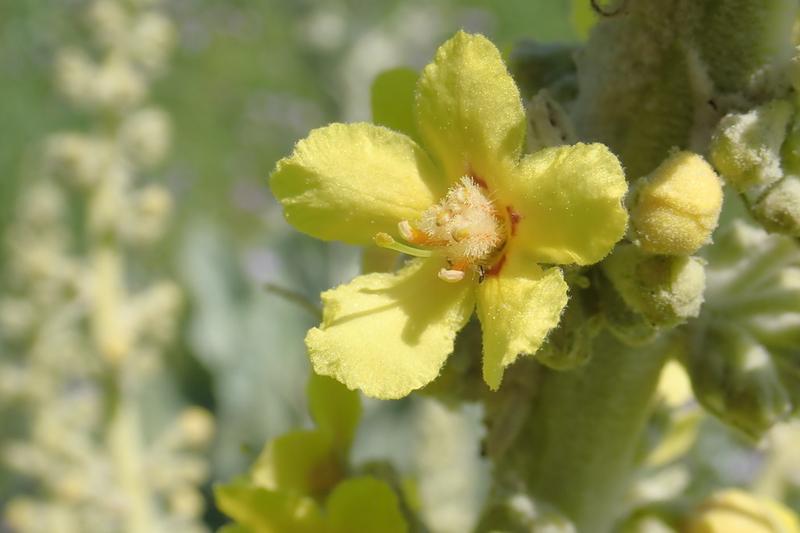
Quick facts
- Watering
- Minimal once established
- Sunlight
- Full sun
- Soil
- Well-drained, poor to moderately fertile
- Humans
- Safe
- Cats
- Safe
- Dogs
- Safe
- Height
- 150–200 cm
- Spread
- 45–60 cm
- Spacing
- 45–60 cm apart
- RHS recognition
- Award of Garden Merit
About Verbascum
Verbascum bombyciferum is a striking biennial or short-lived perennial renowned for its towering spires of sulphur-yellow flowers and silvery, felted foliage. Native to Turkey, this architectural plant has become a favourite in British cottage gardens and gravel gardens for its dramatic vertical presence and drought tolerance. The entire plant is covered in soft, woolly hairs that give it an ethereal, silver-white appearance, particularly stunning when backlit by low sun. UK gardeners prize it for adding height and structure to borders whilst requiring minimal maintenance once established.
UK fact: Verbascum bombyciferum received the RHS Award of Garden Merit in 1993 and thrives particularly well in the free-draining soils of southern England, where it self-seeds generously in gravel paths and sunny borders, creating naturalistic drifts reminiscent of Mediterranean landscapes.
Watering Verbascum
Water newly planted verbascum regularly during the first growing season to establish a deep root system, typically once or twice weekly during dry spells. Once established, these plants are exceptionally drought-tolerant and require watering only during prolonged dry periods in summer. Overwatering, particularly in winter, can lead to root rot, so err on the side of dryness. In typical UK conditions, established plants rarely need supplementary watering except during exceptional droughts.
Sunlight requirements
Verbascum bombyciferum requires a position in full sun to develop its characteristic silvery foliage and produce abundant flower spikes. In the UK, a south or west-facing border is ideal, providing maximum light exposure throughout the growing season. Avoid shaded positions, as plants become leggy and prone to fungal issues in damp, low-light conditions.
Soil and feeding
Verbascum bombyciferum thrives in free-draining soil and actually performs better in poor to moderately fertile conditions rather than rich soil, which can cause floppy growth. Sandy, gravelly, or chalky soils are ideal, with a pH range of 6.5 to 8.0 (neutral to alkaline). Excellent drainage is essential, particularly in winter, as waterlogged conditions will kill plants. If your soil is heavy clay, incorporate plenty of horticultural grit and consider planting on a slight mound or in a raised bed to improve drainage.
Verbascum bombyciferum requires minimal feeding and actually performs best in lean conditions. Avoid fertilising established plants, as rich soil produces lush foliage at the expense of flowers and reduces the plant's characteristic silvery appearance. If growing in very poor soil, a single light application of general-purpose fertiliser in early spring is sufficient.
Pruning Verbascum
Deadhead spent flower spikes promptly to encourage a second flush of blooms and prevent excessive self-seeding, though many UK gardeners allow some seed heads to mature for naturalistic effect. Cut back the entire flowering stem to the basal rosette once flowering is completely finished in late summer. Remove any damaged or diseased leaves throughout the growing season. As a biennial or short-lived perennial, plants typically die after flowering, so allow some self-seeding to ensure continuity in the border.
Propagating Verbascum
Verbascum bombyciferum is easily propagated from seed sown in spring or early summer, either directly where plants are to grow or in modules for transplanting. Seeds germinate readily at 15-20°C and require light, so surface-sow and do not cover. Plants self-seed freely in UK gardens, particularly in gravel and paving cracks, providing a ready supply of seedlings that can be transplanted whilst small. Root cuttings taken in late autumn or winter also succeed well, though seed propagation is simpler and more reliable for most gardeners.
Common problems
Verbascum bombyciferum is generally trouble-free but can be affected by verbascum weevil, whose larvae tunnel into stems and roots, causing plants to wilt and collapse; inspect regularly from late spring and remove affected growth promptly. Powdery mildew may appear on foliage in humid conditions or overcrowded plantings, though good air circulation and avoiding overhead watering minimise this risk. Mullein moth caterpillars can rapidly defoliate plants in summer, stripping leaves to bare stems; handpick these distinctive orange, black and white caterpillars or tolerate the damage, as plants usually recover. Excessive winter wet on heavy soils causes root rot, the most serious problem, so ensure excellent drainage.
Spot a problem with your plant? Photograph the affected area using the Loam app and it will suggest the most likely cause and treatment.
Safety
- Humans
- Safe
- Cats
- Safe
- Dogs
- Safe
Toxicity information is for general guidance only.
Seasonal care calendar
Monthly care guide for Verbascum in the UK, based on average conditions.
| Month | Care tasks |
|---|---|
| January | No action needed; plants dormant as basal rosettes. |
| February | Check drainage around plants after heavy rain; improve if waterlogged. |
| March | Remove any winter-damaged leaves from basal rosettes. Sow seeds under cover. |
| April | Transplant self-sown seedlings to desired positions. Sow seeds outdoors. |
| May | Watch for verbascum weevil damage; remove affected growth. Stake tall flower spikes if exposed. |
| June | Enjoy flowering display. Check for mullein moth caterpillars and handpick if necessary. |
| July | Deadhead spent flowers to encourage second flush. Continue monitoring for caterpillars. |
| August | Allow some seed heads to mature if self-seeding desired. Cut back finished flower stems. |
| September | Collect ripe seed for sowing. Transplant self-sown seedlings. |
| October | Take root cuttings from healthy plants. Clear away dead flowering stems. |
| November | Continue taking root cuttings. Ensure good drainage before winter. |
| December | No action needed; plants dormant as basal rosettes. |
Frequently asked questions
- Why is my verbascum dying after flowering?
- Verbascum bombyciferum is biennial or short-lived perennial, naturally dying after flowering in its second year. This is normal behaviour. Allow plants to self-seed before they die to ensure continuity, or sow fresh seed each year to maintain a succession of flowering plants in your border.
- How do I know when to deadhead my verbascum?
- Deadhead when individual flowers on the spike fade and before seed pods fully develop, typically from mid-summer onwards. The Loam app can send you personalised reminders based on your plant's flowering stage and local conditions, ensuring you deadhead at the optimal time for repeat blooms.
- Will verbascum grow in clay soil?
- Verbascum bombyciferum struggles in heavy clay due to poor drainage, particularly in wet UK winters. Improve clay soil by incorporating copious horticultural grit and sharp sand, or plant in raised beds and mounds. Alternatively, grow in gravel gardens or containers filled with gritty, free-draining compost for guaranteed success.
Got a question about growing Verbascum that isn't covered here? Ask the Garden Advisor in the Loam app. It knows your saved plants and local conditions.
Related plants
This page was compiled with AI assistance and reviewed by our team. .