Bear's Breeches
Acanthus mollis
Perennials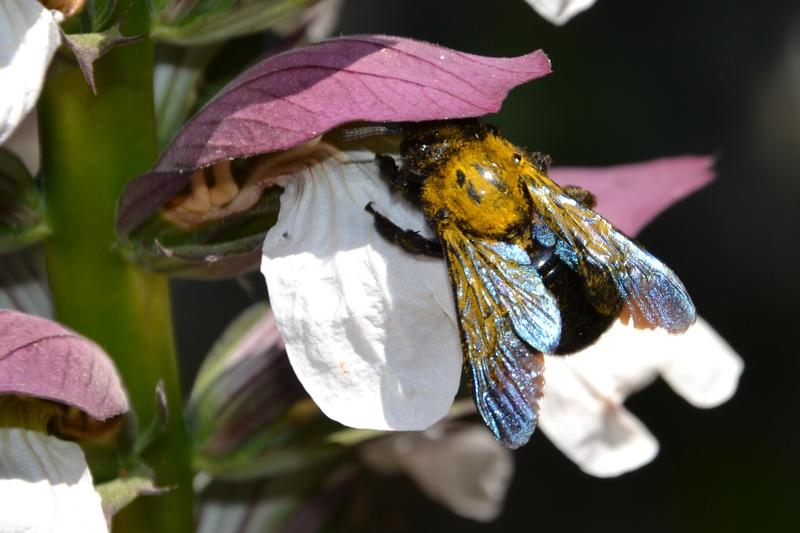
Quick facts
- Watering
- Weekly during establishment
- Sunlight
- Full sun to partial shade
- Soil
- Well-drained, moderately fertile
- Humans
- Unknown
- Cats
- Unknown
- Dogs
- Unknown
- Height
- 90–150 cm
- Spread
- 60–90 cm
- Spacing
- 75–90 cm apart
- RHS recognition
- Award of Garden Merit
About Bear's Breeches
Bear's Breeches is a striking architectural perennial native to the Mediterranean, prized for its bold, deeply lobed glossy leaves and tall spikes of hooded white and purple flowers. Growing up to 150cm tall, it creates a dramatic focal point in UK borders and has been cultivated in British gardens since the 16th century. Its distinctive foliage inspired the classical Corinthian column capitals of ancient Greece, making it a plant steeped in history and elegance.
UK fact: Bear's Breeches holds the RHS Award of Garden Merit and thrives particularly well in southern England, where its Mediterranean origins suit the milder climate, though it proves surprisingly hardy across most of the UK.
Watering Bear's Breeches
Water regularly during the first growing season to establish a deep root system, typically once weekly in dry spells. Once established, Bear's Breeches is remarkably drought-tolerant and rarely needs watering except during prolonged summer droughts. In typical UK conditions with regular rainfall, mature plants are largely self-sufficient, though container-grown specimens require more frequent watering throughout the growing season.
Sunlight requirements
Bear's Breeches performs best in full sun but tolerates partial shade, particularly in hotter southern regions where afternoon shade prevents leaf scorch. In northern UK gardens, choose the sunniest spot available to encourage the best flowering. South or west-facing positions are ideal, though avoid deep shade which reduces flower production significantly.
Soil and feeding
Bear's Breeches thrives in well-drained soil and tolerates a wide range of soil types from sandy to clay, provided drainage is adequate. It prefers a neutral to slightly alkaline pH (6.5-7.5) but adapts to most garden soils. Heavy clay soils should be improved with grit or organic matter to prevent winter waterlogging, which can cause root rot. Avoid excessively rich soils which promote lush foliage at the expense of flowers.
Apply a balanced general-purpose fertiliser in early spring as new growth emerges. Avoid over-feeding as this encourages excessive leaf growth and reduces flowering. A single application of slow-release fertiliser or well-rotted compost mulch annually is sufficient for established plants.
Pruning Bear's Breeches
Cut back flower spikes after blooming in late summer to prevent self-seeding and maintain a tidy appearance. Remove damaged or tatty leaves throughout the growing season, and cut back all foliage to ground level in late autumn or early spring before new growth appears. Wear gloves when handling as the spiny bracts can irritate skin, and be aware that Bear's Breeches can spread vigorously via underground roots.
Propagating Bear's Breeches
Propagate by division in early spring or autumn, lifting established clumps and separating rooted sections with a sharp spade. Root cuttings taken in winter are highly successful: cut thick roots into 5-8cm sections, plant vertically in pots of gritty compost with the top just below the surface, and keep frost-free until growth appears. Bear's Breeches also self-seeds readily, though seedlings may take 2-3 years to flower and can become invasive if not controlled.
Common problems
Bear's Breeches is generally trouble-free but can suffer from powdery mildew in dry conditions, particularly on plants in too much shade or with poor air circulation. Slugs and snails may damage young emerging foliage in spring, requiring protection with organic controls or barriers. The main issue for UK gardeners is its vigorous spreading habit via deep taproots, which can make it difficult to remove once established and potentially invasive in smaller gardens.
Spot a problem with your plant? Photograph the affected area using the Loam app and it will suggest the most likely cause and treatment.
Safety
- Humans
-
Unknown
The spiny bracts can cause skin irritation and the plant may cause mild stomach upset if ingested, though it is not considered seriously toxic.
- Cats
-
Unknown
Not known to be toxic to cats, but ingestion may cause mild gastrointestinal upset.
- Dogs
-
Unknown
Not known to be toxic to dogs, but ingestion may cause mild gastrointestinal upset.
Toxicity information is for general guidance only. If a person or pet has been exposed to this plant and you are concerned, seek advice from a medical professional or vet.
Seasonal care calendar
Monthly care guide for Bear's Breeches in the UK, based on average conditions.
| Month | Care tasks |
|---|---|
| January | No action needed; plant is dormant. |
| February | Take root cuttings from dormant plants if propagating. |
| March | Cut back old foliage before new growth emerges. Apply balanced fertiliser and mulch around the base. |
| April | Divide established clumps if needed. Watch for slug damage on emerging leaves. |
| May | Water during dry spells to support developing flower spikes. Remove any damaged leaves. |
| June | Enjoy the developing flower spikes. Stake tall stems if necessary in exposed positions. |
| July | Peak flowering period. Deadhead spent flowers to prevent self-seeding if desired. |
| August | Cut back finished flower spikes. Continue removing tatty foliage. |
| September | Divide plants if needed. Collect seed if you wish to propagate, though plants may become invasive. |
| October | Begin cutting back foliage as it dies down, or leave until spring for winter structure. |
| November | Apply mulch around the crown for winter protection in colder regions. |
| December | No action needed; plant is dormant. |
Frequently asked questions
- Why is my Bear's Breeches not flowering?
- Bear's Breeches may fail to flower due to excessive shade, over-feeding with nitrogen-rich fertiliser, or being too young (seedlings take 2-3 years). Ensure plants receive at least 4-6 hours of sun daily and avoid rich soils. Cold spring weather can also delay or reduce flowering in some years.
- How do I stop Bear's Breeches from spreading too much?
- Bear's Breeches spreads vigorously via deep taproots and can be difficult to control. Remove flower spikes before seeding, install root barriers, and dig out unwanted growth promptly, ensuring you remove all root fragments. The Loam app can send you timely reminders to deadhead and monitor spread before it becomes problematic.
- Can Bear's Breeches grow in shade?
- While Bear's Breeches tolerates partial shade, it flowers best in full sun. In shaded positions, expect more foliage and fewer flower spikes, plus increased risk of powdery mildew. For reliable flowering in UK gardens, choose a sunny south or west-facing spot with at least 4-6 hours of direct sunlight daily.
Got a question about growing Bear's Breeches that isn't covered here? Ask the Garden Advisor in the Loam app. It knows your saved plants and local conditions.
Related plants
This page was compiled with AI assistance and reviewed by our team. .