Malope
Malope trifida
Annuals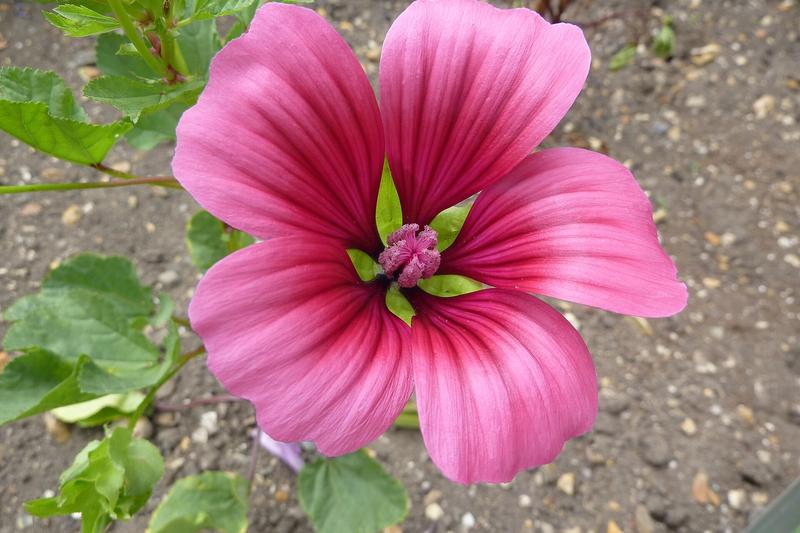
Quick facts
- Watering
- Weekly during dry spells
- Sunlight
- Full sun
- Soil
- Well-drained, moderately fertile
- Humans
- Safe
- Cats
- Safe
- Dogs
- Safe
- Height
- 60–90 cm
- Spread
- 30–45 cm
- Spacing
- 30–40 cm apart
About Malope
Malope is a striking hardy annual native to the Mediterranean, producing large, trumpet-shaped flowers in vibrant shades of pink, magenta, and white throughout summer. Growing to around 90cm tall, this cottage garden favourite bears hollyhock-like blooms that are beloved by pollinators and make excellent cut flowers. UK gardeners prize malope for its easy-going nature, long flowering season from June to September, and ability to fill gaps in borders with bold colour. Its tolerance of our variable summer weather and ability to self-seed make it a reliable choice for both novice and experienced gardeners.
UK fact: Malope has been grown in British cottage gardens since the 18th century and thrives particularly well in the cooler summers of northern England and Scotland, where it produces more intense flower colours than in hotter climates.
Watering Malope
Once established, malope is relatively drought-tolerant and typically requires watering only during prolonged dry periods. Water deeply once a week during dry summer spells, ensuring the soil is moistened to root depth rather than frequent shallow watering. Young plants and those in containers need more regular watering, particularly during the first few weeks after planting. In typical UK summers with regular rainfall, established plants in the ground rarely need supplementary watering.
Sunlight requirements
Malope performs best in full sun, requiring at least six hours of direct sunlight daily to produce abundant flowers. In the UK, a south or west-facing position is ideal, though plants will tolerate light shade in the hottest part of the day. Avoid planting in heavily shaded areas as this will result in leggy growth and reduced flowering.
Soil and feeding
Malope thrives in well-drained soil of average fertility, preferring a neutral to slightly alkaline pH of 6.5-7.5. Avoid overly rich soil as this encourages leafy growth at the expense of flowers. Heavy clay soils should be improved with grit or sharp sand to enhance drainage, whilst very sandy soils benefit from the addition of organic matter to improve moisture retention. Good drainage is essential, particularly over winter if plants self-seed, as waterlogged conditions can cause seedling rot.
Malope requires minimal feeding and performs best in moderately fertile soil. A single application of a balanced liquid fertiliser in early summer will support flowering, but avoid over-feeding as this produces lush foliage with fewer blooms. Plants grown in containers benefit from fortnightly feeds with a high-potassium fertiliser once flowering begins.
Pruning Malope
Deadhead spent flowers regularly throughout the summer to prolong the flowering season and maintain a tidy appearance. Pinch out the growing tips of young plants when they reach 15-20cm tall to encourage bushier growth and more flower stems. Taller plants may benefit from light staking or support from neighbouring plants to prevent wind damage. At the end of the season, leave some seed heads to mature if you wish plants to self-seed for the following year, otherwise remove all growth after the first frosts.
Propagating Malope
Malope is easily grown from seed sown directly outdoors in April or May where plants are to flower, or started under cover in March for earlier blooms. Sow seeds thinly, covering lightly with soil, and thin seedlings to 30-40cm apart once large enough to handle. For earlier flowering, sow seeds in modules or small pots in a cold frame or unheated greenhouse 4-6 weeks before the last frost, then transplant outdoors after hardening off. Plants often self-seed freely in favourable conditions, providing volunteer seedlings the following spring that can be transplanted or thinned as needed.
Common problems
Malope is generally trouble-free but may occasionally suffer from aphid infestations on young growth, which can be controlled by squashing by hand or using an organic insecticidal soap. Slugs and snails can damage young seedlings in spring, so protect with organic slug pellets or barriers until plants are established. In very wet summers, powdery mildew may appear on leaves, though this rarely affects flowering; ensure good air circulation and avoid overhead watering to minimise risk. Flea beetles can cause small holes in leaves but damage is usually cosmetic and doesn't warrant treatment.
Spot a problem with your plant? Photograph the affected area using the Loam app and it will suggest the most likely cause and treatment.
Safety
- Humans
- Safe
- Cats
- Safe
- Dogs
- Safe
Toxicity information is for general guidance only.
Seasonal care calendar
Monthly care guide for Malope in the UK, based on average conditions.
| Month | Care tasks |
|---|---|
| January | No action needed. Plan where to sow malope in spring borders. |
| February | Order seeds if not already obtained. Prepare planting areas by removing weeds. |
| March | Sow seeds under cover in modules or pots for earlier flowering. Keep in a cold frame or unheated greenhouse. |
| April | Sow seeds directly outdoors where plants are to flower. Harden off indoor-sown seedlings towards month end. |
| May | Transplant indoor-sown plants after hardening off. Thin direct-sown seedlings to 30-40cm spacing. Pinch out growing tips to encourage bushiness. |
| June | Water during dry spells. Stake taller plants if needed. First flowers begin to appear on early-sown plants. |
| July | Deadhead regularly to prolong flowering. Water weekly during dry periods. Apply liquid feed to container plants. |
| August | Continue deadheading and watering as needed. Peak flowering period. Cut flowers for indoor displays. |
| September | Continue deadheading. Leave some seed heads to mature if you want self-seeding for next year. |
| October | Collect ripe seed for sowing next year. Remove spent plants after first frosts unless leaving to self-seed. |
| November | Clear away remaining plant debris. Prepare beds for next year's planting. |
| December | No action needed. Review this year's performance and plan next year's display. |
Frequently asked questions
- When should I sow malope seeds in the UK?
- Sow malope seeds directly outdoors in April or May where they are to flower, or start them under cover in March for earlier blooms. Direct sowing is easiest and plants typically flower from late June onwards. For the longest flowering season, make successive sowings 2-3 weeks apart through April and early May.
- Why isn't my malope flowering well?
- Poor flowering is usually caused by too much shade, overly rich soil, or lack of deadheading. Malope needs full sun and moderate fertility to bloom abundantly. The Loam app can help you track sunlight levels in your garden and set reminders for regular deadheading to keep your malope flowering all summer long.
- Can I grow malope in containers?
- Yes, malope grows well in containers at least 30cm deep filled with multipurpose compost mixed with grit for drainage. Container plants need more frequent watering and fortnightly feeding with a high-potassium fertiliser once flowering begins. Choose a sunny, sheltered spot and stake plants to prevent wind damage.
Got a question about growing Malope that isn't covered here? Ask the Garden Advisor in the Loam app. It knows your saved plants and local conditions.
Related plants
This page was compiled with AI assistance and reviewed by our team. .