Annual Mallow
Lavatera trimestris
Annuals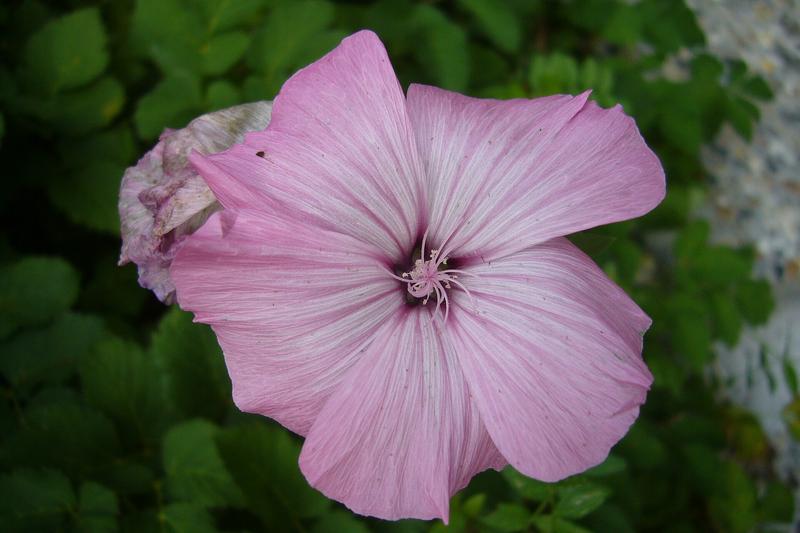
Quick facts
- Watering
- Weekly once established
- Sunlight
- Full sun
- Soil
- Well-drained, moderately fertile
- Humans
- Safe
- Cats
- Safe
- Dogs
- Safe
- Height
- 60–120 cm
- Spread
- 30–50 cm
- Spacing
- 30–45 cm apart
- RHS recognition
- Award of Garden Merit
About Annual Mallow
Annual Mallow is a fast-growing hardy annual native to the Mediterranean, prized for its profusion of funnel-shaped flowers in shades of pink, white, and rose-red from midsummer to autumn. Growing 60–120 cm tall with a bushy habit, it produces silky blooms up to 10 cm across that resemble hollyhocks but on a more compact plant. UK gardeners value it for filling gaps in borders quickly, providing cottage garden charm, and attracting bees and butterflies throughout the summer months. Its ease of cultivation and long flowering season make it ideal for both novice and experienced gardeners.
UK fact: Several Lavatera trimestris cultivars have received the RHS Award of Garden Merit, including 'Silver Cup' with its distinctive rose-pink blooms, recognising their reliable performance in British gardens and their ability to thrive in the UK's variable summer weather.
Watering Annual Mallow
Water newly sown or transplanted Annual Mallow regularly until established, keeping the soil consistently moist but not waterlogged. Once established, plants are reasonably drought-tolerant and typically need watering only during prolonged dry spells, approximately once weekly in summer. In the UK's typically moist climate, natural rainfall often suffices except during hot, dry periods. Avoid overhead watering when plants are in bloom to prevent flower damage.
Sunlight requirements
Annual Mallow performs best in full sun, requiring at least six hours of direct sunlight daily to produce abundant flowers. In the UK, a south or west-facing position is ideal, though plants will tolerate light shade in southern regions during the hottest part of the day. Avoid heavily shaded spots as this leads to leggy growth and reduced flowering.
Soil and feeding
Annual Mallow thrives in well-drained soil of average to moderate fertility, tolerating a wide range of soil types including sandy, loamy, and chalky soils. The ideal pH is neutral to slightly alkaline (6.5–7.5), though plants adapt to most conditions. Avoid overly rich soil as this encourages leafy growth at the expense of flowers. Good drainage is essential, particularly in heavy clay soils where incorporating grit or organic matter improves structure and prevents waterlogging during wet British winters.
Annual Mallow requires minimal feeding and performs best in moderately fertile soil. If growing in poor soil, apply a balanced liquid fertiliser once or twice during the growing season, but avoid over-feeding as this promotes foliage over flowers. In average garden soil, no supplementary feeding is necessary.
Pruning Annual Mallow
Deadhead spent blooms regularly throughout the flowering season to encourage continuous flower production and maintain a tidy appearance. Pinch out the growing tips of young plants when they reach 15–20 cm tall to promote bushier growth and more flowering stems. No other pruning is required as this is an annual plant that completes its lifecycle in one season. At the end of autumn, pull up and compost spent plants or leave seed heads for birds if desired.
Propagating Annual Mallow
Annual Mallow is easily grown from seed sown directly outdoors in spring or started under cover for earlier blooms. For direct sowing, wait until after the last frost (typically late March to May in the UK) and sow seeds 1 cm deep in their final positions, thinning seedlings to 30–45 cm apart. Alternatively, sow indoors in modules or small pots 6–8 weeks before the last frost, maintaining temperatures of 15–18°C for germination in 14–21 days, then harden off and transplant after all frost risk has passed. Annual Mallow often self-seeds readily in favourable conditions, providing volunteer seedlings the following year.
Common problems
Annual Mallow is generally trouble-free but can occasionally suffer from rust, appearing as orange-brown pustules on leaves, particularly in humid conditions or where air circulation is poor. Aphids may colonise young shoots and flower buds in early summer, though these are easily controlled by squashing or using organic sprays. Slugs and snails can damage young seedlings, so protect plants with barriers or organic pellets until established. In very wet summers, plants may develop root rot if drainage is inadequate, whilst prolonged drought can cause premature flowering cessation.
Spot a problem with your plant? Photograph the affected area using the Loam app and it will suggest the most likely cause and treatment.
Safety
- Humans
- Safe
- Cats
- Safe
- Dogs
- Safe
Toxicity information is for general guidance only.
Seasonal care calendar
Monthly care guide for Annual Mallow in the UK, based on average conditions.
| Month | Care tasks |
|---|---|
| January | No action needed. Plan where to grow Annual Mallow in borders. |
| February | Order seeds if not already obtained. Prepare seed trays for indoor sowing late in the month in mild regions. |
| March | Sow seeds indoors in modules or small pots for earlier flowering. Direct sow outdoors from late March in mild southern areas. |
| April | Continue direct sowing outdoors. Prick out or pot on indoor-sown seedlings. Begin hardening off plants sown under cover. |
| May | Plant out hardened-off seedlings after last frost. Direct sow final sowings. Thin direct-sown seedlings to final spacing. |
| June | Pinch out growing tips to encourage bushiness. Water during dry spells. First flowers begin to appear on early sowings. |
| July | Deadhead regularly to prolong flowering. Water weekly during dry weather. Enjoy peak flowering period. |
| August | Continue deadheading spent blooms. Maintain watering during dry spells. Flowering continues abundantly. |
| September | Deadhead to extend flowering into autumn. Allow some seed heads to develop if self-seeding is desired. |
| October | Flowering diminishes as temperatures drop. Leave seed heads for birds or collect seeds for next year. Pull up spent plants. |
| November | Remove and compost finished plants. Clear debris from borders. |
| December | No action needed. Review performance and plan next year's planting. |
Frequently asked questions
- When should I sow Annual Mallow seeds in the UK?
- Sow Annual Mallow seeds indoors in March for earlier blooms, or directly outdoors from late March to May after the last frost. Direct sowing in April typically produces strong plants that flower from July onwards.
- Why is my Annual Mallow producing lots of leaves but few flowers?
- Excessive foliage with poor flowering usually indicates overly rich soil or too much nitrogen fertiliser. Annual Mallow flowers best in moderately fertile conditions. The Loam app can help diagnose feeding issues and provide personalised care reminders.
- Does Annual Mallow come back every year?
- No, Annual Mallow completes its lifecycle in one season and dies after flowering. However, it self-seeds readily in favourable conditions, often producing volunteer seedlings the following spring that can be transplanted or thinned as needed.
Got a question about growing Annual Mallow that isn't covered here? Ask the Garden Advisor in the Loam app. It knows your saved plants and local conditions.
Related plants
This page was compiled with AI assistance and reviewed by our team. .