Clarkia
Clarkia pulchella
Annuals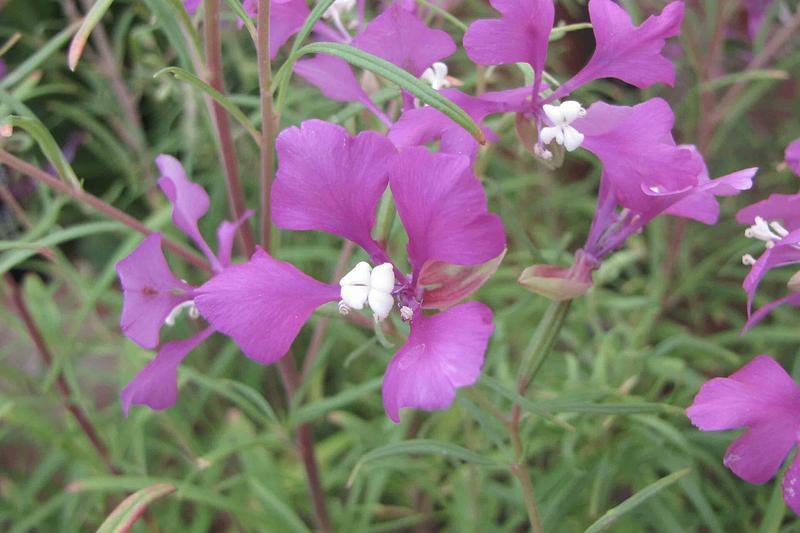
Quick facts
- Watering
- Weekly during dry spells
- Sunlight
- Full sun to partial shade
- Soil
- Well-drained, moderately fertile
- Humans
- Safe
- Cats
- Safe
- Dogs
- Safe
- Height
- 30–60 cm
- Spread
- 15–25 cm
- Spacing
- 15–20 cm apart
About Clarkia
Clarkia is a charming hardy annual native to western North America, prized for its delicate, frilly flowers in shades of pink, magenta, and white. Growing 30–60 cm tall, it produces masses of blooms from early summer through to autumn, making it ideal for cottage garden borders and cutting gardens. UK gardeners value clarkia for its ease of cultivation, ability to self-seed, and exceptional performance in cooler climates where it thrives better than in hot summers. The papery, four-petalled flowers have a distinctive ruffled appearance that adds texture and movement to informal planting schemes.
UK fact: Clarkia performs exceptionally well in the cooler, damper summers of Scotland and northern England, where it often flowers more prolifically and for longer periods than in warmer southern regions, making it a particularly reliable choice for gardeners in these areas.
Watering Clarkia
Once established, clarkia is moderately drought-tolerant and typically requires watering only during prolonged dry periods. Water weekly during dry spells in summer, applying water at the base to avoid wetting foliage. In typical UK summers with regular rainfall, supplementary watering is rarely necessary. Avoid overwatering, as clarkia dislikes waterlogged conditions and performs better on the dry side than when kept constantly moist.
Sunlight requirements
Clarkia performs best in full sun but tolerates partial shade, particularly in warmer southern counties where afternoon shade can prolong flowering. In Scotland and northern England, choose the sunniest position available to maximise bloom production. Avoid deep shade, which causes weak, leggy growth and reduced flowering.
Soil and feeding
Clarkia thrives in well-drained soil of moderate fertility and actually performs better in leaner soils than in rich, heavily amended beds. It tolerates a wide pH range from slightly acidic to slightly alkaline (pH 6.0–7.5). Avoid overly rich or heavily manured soil, which promotes excessive foliage at the expense of flowers. On heavy clay, improve drainage by incorporating grit or grow in raised beds.
Clarkia requires minimal feeding and performs best without supplementary fertiliser. Overly rich soil or regular feeding produces lush foliage but fewer flowers. If growing in very poor soil, a single application of dilute liquid fertiliser at half strength when flower buds first appear is sufficient.
Pruning Clarkia
Deadhead spent flowers regularly to prolong the flowering season and prevent premature self-seeding if not desired. Pinch out the growing tips of young plants when 10–15 cm tall to encourage bushier growth and more flower stems. Remove entire plants once flowering finishes in autumn, or leave some to self-seed for next year's display. No other pruning is required.
Propagating Clarkia
Clarkia is grown exclusively from seed sown directly where it is to flower, as it dislikes root disturbance. Sow outdoors in early spring (March–April) or autumn (September) for earlier flowering the following year. Scatter seeds thinly on prepared soil, barely covering them with a fine layer of soil or compost. Thin seedlings to 15–20 cm apart once large enough to handle. Autumn-sown plants are often more vigorous and flower earlier than spring sowings.
Common problems
Clarkia is generally trouble-free but can suffer from powdery mildew in dry conditions or overcrowded plantings, appearing as white powdery patches on leaves. Ensure adequate spacing and water during dry spells to reduce risk. Aphids occasionally colonise young growth and flower buds; spray with soapy water or encourage natural predators. Slugs and snails may damage young seedlings in spring; protect with organic slug pellets or barriers. Overwatering or poorly drained soil can cause root rot and plant collapse.
Spot a problem with your plant? Photograph the affected area using the Loam app and it will suggest the most likely cause and treatment.
Safety
- Humans
- Safe
- Cats
- Safe
- Dogs
- Safe
Toxicity information is for general guidance only.
Seasonal care calendar
Monthly care guide for Clarkia in the UK, based on average conditions.
| Month | Care tasks |
|---|---|
| January | No action needed. |
| February | Prepare beds for spring sowing by weeding and raking to a fine tilth. |
| March | Sow seeds directly outdoors in prepared beds. Thin autumn-sown seedlings if necessary. |
| April | Continue sowing for succession. Thin spring-sown seedlings to 15–20 cm spacing. Pinch out growing tips to encourage bushiness. |
| May | Water during dry spells. Weed around young plants carefully. |
| June | Flowering begins. Deadhead regularly to prolong display. Water during dry periods. |
| July | Peak flowering period. Continue deadheading and watering as needed. Cut flowers for indoor arrangements. |
| August | Maintain deadheading regime. Allow some flowers to set seed if self-seeding is desired. |
| September | Flowering continues. Sow seeds outdoors for early flowering next year. Collect ripe seed for storage. |
| October | Remove spent plants or leave to self-seed. Clear debris to prevent overwintering pests. |
| November | No action needed. |
| December | No action needed. |
Frequently asked questions
- When should I sow clarkia seeds in the UK?
- Sow clarkia seeds directly outdoors in March–April for summer flowering, or in September for earlier, more vigorous blooms the following year. Autumn sowings typically produce stronger plants that flower from late May onwards.
- Why isn't my clarkia flowering well?
- Poor flowering is usually caused by overly rich soil, excessive feeding, or insufficient sunlight. Clarkia blooms best in lean, well-drained soil without fertiliser. The Loam app can help diagnose specific issues based on your growing conditions and provide personalised care adjustments.
- Can I grow clarkia in containers?
- Yes, clarkia grows well in containers at least 20 cm deep filled with multipurpose compost mixed with extra grit for drainage. Sow seeds directly in the container and thin to 15 cm spacing. Water more frequently than border-grown plants but avoid waterlogging.
Got a question about growing Clarkia that isn't covered here? Ask the Garden Advisor in the Loam app. It knows your saved plants and local conditions.
Related plants
This page was compiled with AI assistance and reviewed by our team. .