California Poppy
Eschscholzia californica
Annuals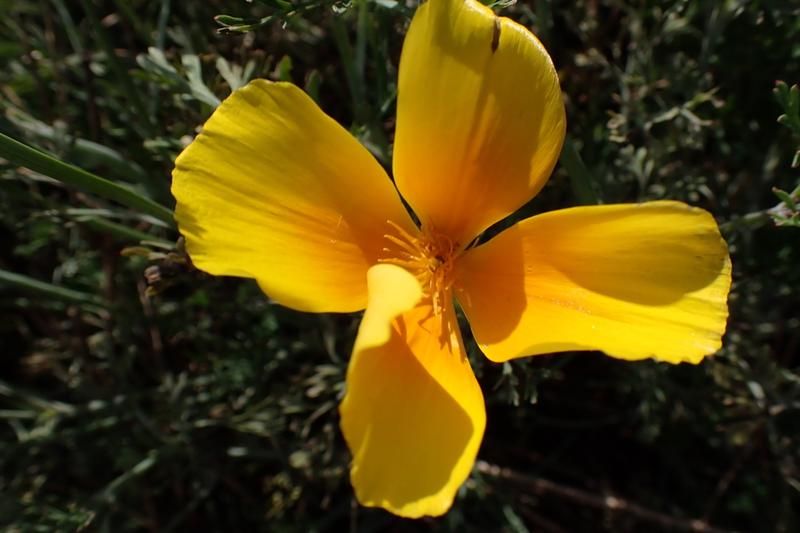
Quick facts
- Watering
- Minimal once established
- Sunlight
- Full sun
- Soil
- Well-drained, poor to moderate
- Humans
- Toxic
- Cats
- Toxic
- Dogs
- Toxic
- Height
- 20–40 cm
- Spread
- 15–30 cm
- Spacing
- 15–20 cm apart
About California Poppy
California Poppy is a cheerful hardy annual native to the western United States, prized for its silky, cup-shaped flowers in shades of orange, yellow, cream, and red. Growing 20–40 cm tall with feathery, blue-green foliage, it blooms prolifically from June through September. UK gardeners value it for its drought tolerance, easy-going nature, and ability to self-seed in sunny borders, gravel gardens, and wildflower meadows. The flowers close at night and on overcast days, opening fully in bright sunshine.
UK fact: California Poppy has been a cottage garden favourite in Britain since Victorian times and thrives particularly well in coastal gardens where its drought tolerance and resistance to salt-laden winds make it an ideal choice for seaside planting schemes.
Watering California Poppy
California Poppy is exceptionally drought-tolerant once established and actually performs better in dry conditions. Water seedlings lightly until they develop a strong root system, then reduce watering significantly. Overwatering leads to lush foliage at the expense of flowers and can cause root rot. In typical UK summers, established plants rarely need supplementary watering except during prolonged drought.
Sunlight requirements
California Poppy requires full sun to flower well and will produce few blooms in shade. In the UK, position in the sunniest spot available, ideally south or west-facing borders. The flowers open fully only in bright sunshine, remaining closed on dull days and in the evening.
Soil and feeding
California Poppy thrives in poor to moderately fertile, well-drained soil and actually flowers more profusely in lean conditions. Heavy, rich soils produce excessive foliage with fewer blooms. It tolerates sandy, gravelly, or chalky soils and prefers a neutral to slightly alkaline pH of 6.5–7.5. Excellent drainage is essential; add horticultural grit to heavy clay soils or grow in raised beds and gravel gardens.
California Poppy requires little to no feeding and actually performs best in nutrient-poor soils. Avoid fertilisers entirely, as rich feeding produces lush, floppy growth with significantly reduced flowering. If growing in containers, use a low-nutrient, gritty compost mix.
Pruning California Poppy
Deadhead spent flowers regularly to prolong the blooming period from June through to the first frosts. If you wish the plants to self-seed for next year, allow some later flowers to set seed and scatter naturally in late summer. Cut back any straggly growth mid-season to encourage a fresh flush of flowers. Plants can be pulled up entirely after flowering finishes in autumn.
Propagating California Poppy
California Poppy is grown from seed sown directly where it is to flower, as it dislikes root disturbance. Sow in March–May or September for earlier flowering the following year. Scatter seeds thinly on prepared soil, barely covering them, and thin seedlings to 15–20 cm apart. Autumn-sown plants often produce stronger, earlier-flowering specimens. Plants self-seed readily in favourable conditions, returning year after year in gravel gardens and sunny borders.
Common problems
California Poppy is largely trouble-free with few serious pests or diseases in the UK. Aphids may occasionally colonise young growth but rarely cause significant damage. Overwatering or poorly drained soil can lead to root rot and damping off in seedlings. Slugs and snails may nibble young seedlings in spring; protect with organic slug pellets or barriers until plants are established. In wet summers, flowers may fail to open properly and plants can become leggy.
Spot a problem with your plant? Photograph the affected area using the Loam app and it will suggest the most likely cause and treatment.
Safety
- Humans
-
Toxic
All parts contain toxic alkaloids and should not be ingested. May cause stomach upset if eaten.
- Cats
-
Toxic
Contains alkaloids that can cause gastrointestinal upset if ingested. Keep cats away from plants.
- Dogs
-
Toxic
Contains alkaloids that can cause vomiting and diarrhoea if ingested. Keep dogs away from plants.
Toxicity information is for general guidance only. If a person or pet has been exposed to this plant and you are concerned, seek advice from a medical professional or vet.
Seasonal care calendar
Monthly care guide for California Poppy in the UK, based on average conditions.
| Month | Care tasks |
|---|---|
| January | No action needed. |
| February | No action needed. |
| March | Sow seeds directly outdoors in prepared soil from mid-March onwards. Thin autumn-sown seedlings if necessary. |
| April | Continue sowing seeds directly outdoors. Thin spring-sown seedlings to 15–20 cm spacing. |
| May | Final sowings for late summer flowers. Water young seedlings during dry spells until established. |
| June | Flowering begins. Deadhead spent blooms regularly to encourage continuous flowering. |
| July | Peak flowering period. Continue deadheading. Cut back straggly growth to promote fresh blooms. |
| August | Continue deadheading. Allow some flowers to set seed if you want plants to self-seed for next year. |
| September | Flowering continues until first frosts. Sow seeds directly outdoors for earlier flowering next year. Collect ripe seed pods if desired. |
| October | Remove spent plants or leave to self-seed naturally. Autumn-sown seedlings will emerge and overwinter. |
| November | No action needed. |
| December | No action needed. |
Frequently asked questions
- When should I sow California Poppy seeds in the UK?
- Sow California Poppy seeds directly outdoors in March–May for summer flowering, or in September for stronger plants that flower earlier the following year. Autumn-sown plants typically perform better, producing more vigorous growth and blooms from late May onwards.
- Why won't my California Poppies flower properly?
- Poor flowering is usually caused by too much shade, overly rich soil, or excessive watering. California Poppies need full sun and lean, well-drained conditions to bloom well. The Loam app can help you track sunlight levels in your garden and set reminders to avoid overwatering these drought-loving plants.
- Will California Poppies come back every year?
- California Poppies are annuals, so individual plants die after flowering. However, they self-seed prolifically in suitable conditions, returning year after year without replanting. Allow some flowers to set seed in late summer and leave the seed heads to scatter naturally for reliable self-sowing.
Got a question about growing California Poppy that isn't covered here? Ask the Garden Advisor in the Loam app. It knows your saved plants and local conditions.
Related plants
This page was compiled with AI assistance and reviewed by our team. .