Common Poppy
Papaver rhoeas
Wildflowers and Natives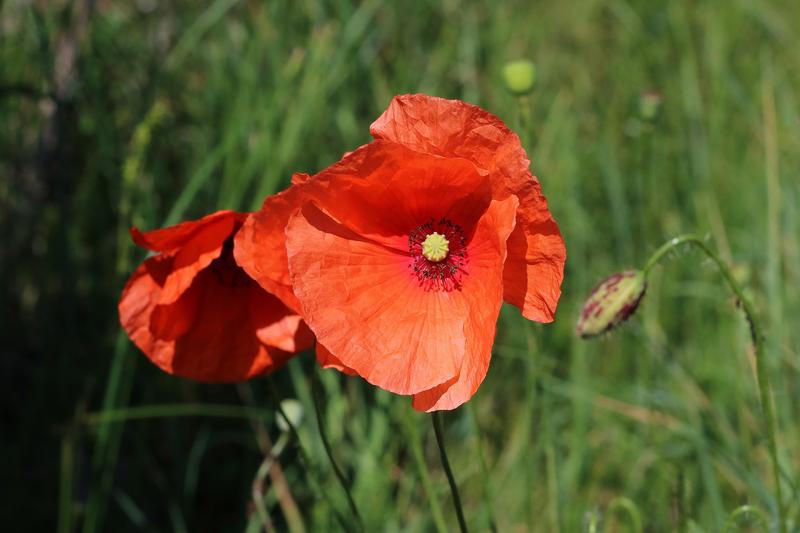
Quick facts
- Watering
- Minimal once established
- Sunlight
- Full sun
- Soil
- Well-drained, poor to moderate fertility
- Humans
- Toxic
- Cats
- Toxic
- Dogs
- Toxic
- Height
- 30–60 cm
- Spread
- 15–30 cm
- Spacing
- 15–20 cm apart
About Common Poppy
The Common Poppy is an iconic British annual wildflower bearing delicate, papery scarlet blooms with black centres from late spring through summer. Native to Europe and naturalised across the UK, it famously colonised disturbed ground in Flanders fields during the First World War, becoming a powerful symbol of remembrance. UK gardeners grow it to create naturalistic meadows, attract pollinators, and add vibrant colour to cottage gardens and wildlife borders. Its self-seeding habit ensures year-on-year displays with minimal intervention.
UK fact: The Common Poppy became the official symbol of Remembrance Day in Britain following Lieutenant Colonel John McCrae's 1915 poem 'In Flanders Fields', and the Royal British Legion has sold paper poppies every November since 1921 to support veterans.
Watering Common Poppy
Common Poppies are exceptionally drought-tolerant once established and require little to no supplementary watering in most UK climates. Seedlings benefit from light watering during prolonged dry spells in spring, but mature plants thrive on natural rainfall alone. Overwatering or waterlogged conditions will cause root rot and poor performance, so err on the side of dryness, particularly in heavy soils. In containers, water sparingly only when the compost surface is completely dry.
Sunlight requirements
Common Poppies thrive in full sun and will produce the most prolific flowering in open, unshaded positions. In the UK, south or west-facing borders are ideal, though they tolerate east-facing aspects. Avoid planting in shade or beneath trees, as stems will become leggy and flowering will be significantly reduced.
Soil and feeding
Common Poppies prefer well-drained, light soils including sandy, chalky, or loamy types with neutral to slightly alkaline pH (6.5–7.5). They actively thrive in poor to moderately fertile ground and will produce excessive foliage at the expense of flowers in rich soils. Heavy clay should be improved with horticultural grit or sharp sand to ensure adequate drainage. Avoid adding compost or manure, as nutrient-rich conditions discourage flowering and encourage weak, floppy growth.
Feeding is neither necessary nor recommended for Common Poppies, as they evolved to colonise nutrient-poor disturbed ground. Applying fertiliser will promote lush foliage and tall, weak stems that flop over, whilst reducing flower production. Allow them to grow in unamended soil for the best results.
Pruning Common Poppy
Deadheading is optional and depends on your goals: remove spent flowers to prolong the blooming period slightly, or leave seed heads to develop if you want self-sown plants the following year. Cut plants back to ground level in late summer once flowering has finished and foliage has died back. Collect ripe seed pods in July or August if you wish to sow elsewhere, shaking the dried capsules to release the tiny black seeds.
Propagating Common Poppy
Common Poppies are grown from seed sown directly where they are to flower, as they resent root disturbance and do not transplant well. Sow thinly on the soil surface in early spring (March–April) or autumn (September–October), pressing seeds gently into raked, weed-free soil without covering them, as they need light to germinate. Thin seedlings to 15–20 cm spacing once large enough to handle. Established plants self-seed freely, often producing volunteer seedlings the following spring in disturbed ground.
Common problems
Common Poppies are largely trouble-free but can suffer from damping off in overly wet conditions, particularly affecting seedlings in heavy or waterlogged soils. Aphids occasionally colonise young growth and flower buds; these can be tolerated or controlled with organic sprays if severe. Downy mildew may appear as pale patches on leaves in humid weather, though it rarely causes significant harm. Slugs and snails sometimes nibble seedlings in spring; protect young plants with organic pellets or barriers if damage is severe.
Spot a problem with your plant? Photograph the affected area using the Loam app and it will suggest the most likely cause and treatment.
Safety
- Humans
-
Toxic
All parts of the Common Poppy contain alkaloids that can cause stomach upset, drowsiness, and skin irritation if ingested or handled extensively. Avoid consumption and wash hands after handling.
- Cats
-
Toxic
Common Poppy contains alkaloids that can cause vomiting, lethargy, and digestive upset in cats if ingested. Keep cats away from plants and seek veterinary advice if consumption is suspected.
- Dogs
-
Toxic
Common Poppy is toxic to dogs, causing vomiting, drooling, lethargy, and potential respiratory depression if eaten. Prevent access and contact a vet immediately if ingestion occurs.
Toxicity information is for general guidance only. If a person or pet has been exposed to this plant and you are concerned, seek advice from a medical professional or vet.
Seasonal care calendar
Monthly care guide for Common Poppy in the UK, based on average conditions.
| Month | Care tasks |
|---|---|
| January | No action needed; seeds lie dormant in the soil. |
| February | Prepare beds by raking soil to a fine tilth for spring sowing. |
| March | Sow seeds directly outdoors on raked soil surface; press in gently but do not cover. |
| April | Thin emerging seedlings to 15–20 cm spacing; water lightly if dry. |
| May | First flowers begin to appear; deadhead to prolong display if desired. |
| June | Peak flowering period; enjoy blooms and allow some seed heads to form for self-sowing. |
| July | Flowering continues; collect ripe seed pods for sowing elsewhere if desired. |
| August | Flowering finishes; cut back spent plants and allow seed to scatter naturally. |
| September | Sow fresh seed directly outdoors for earlier flowering next year. |
| October | Autumn-sown seedlings may emerge; thin if overcrowded. |
| November | No action needed; overwintering seedlings remain dormant. |
| December | No action needed; seeds and seedlings overwinter naturally. |
Frequently asked questions
- When should I sow Common Poppy seeds in the UK?
- Sow Common Poppy seeds directly outdoors in early spring (March–April) or autumn (September–October) for best results. Spring sowings flower from May onwards, whilst autumn sowings often produce earlier, more vigorous blooms the following year. Scatter seeds thinly on raked soil and press in gently without covering, as they need light to germinate.
- Why are my Common Poppies not flowering well?
- Poor flowering is usually caused by overly rich soil, insufficient sunlight, or overwatering. Common Poppies thrive in poor, well-drained ground and full sun. The Loam app can help you diagnose soil and light issues with personalised advice based on your garden's conditions and send reminders for optimal sowing times.
- Are Common Poppies invasive in UK gardens?
- Common Poppies self-seed freely but are not considered invasive, as seedlings are shallow-rooted and easy to remove if unwanted. They naturally colonise disturbed ground and will diminish in established borders where soil is undisturbed. Simply hoe or hand-pull volunteers in spring to control spread, or allow them to naturalise in meadow areas for a low-maintenance wildflower display.
Got a question about growing Common Poppy that isn't covered here? Ask the Garden Advisor in the Loam app. It knows your saved plants and local conditions.
Related plants
This page was compiled with AI assistance and reviewed by our team. .