Oriental Poppy
Papaver orientale
Perennials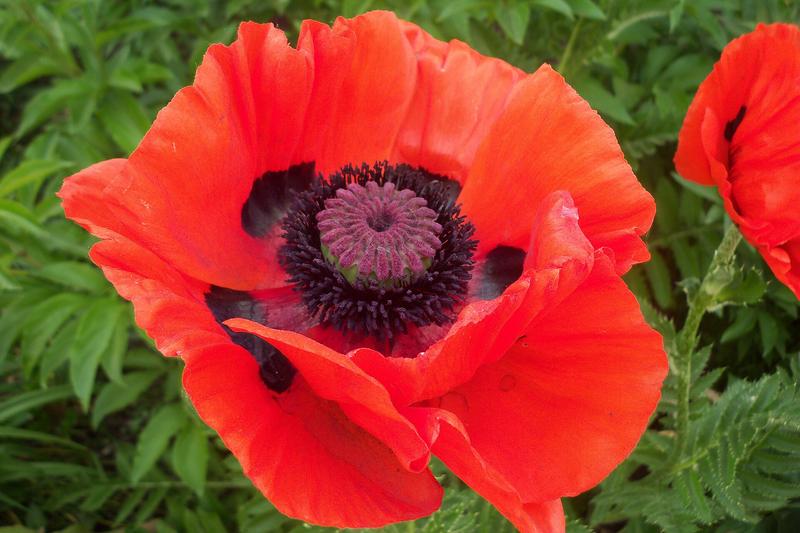
Quick facts
- Watering
- Moderate when growing, minimal when dormant
- Sunlight
- Full sun
- Soil
- Well-drained, moderately fertile
- Humans
- Toxic
- Cats
- Toxic
- Dogs
- Toxic
- Height
- 60–90 cm
- Spread
- 60–90 cm
- Spacing
- 45–60 cm apart
- RHS recognition
- Award of Garden Merit
About Oriental Poppy
Oriental Poppy is a stunning herbaceous perennial renowned for its large, tissue-paper-like flowers in vibrant shades of red, orange, pink, and white that appear in late spring to early summer. Native to the Caucasus and northeastern Turkey, this dramatic plant has been a cottage garden favourite in Britain since Victorian times. UK gardeners prize it for its bold, architectural presence and the spectacular floral display it provides in borders, despite its relatively short flowering period. The deeply divided, hairy foliage forms attractive clumps that die back after flowering, making it ideal for interplanting with later-blooming perennials.
UK fact: Several Oriental Poppy cultivars hold the RHS Award of Garden Merit, including 'Patty's Plum', 'Beauty of Livermere', and 'Prinzessin Victoria Louise', reflecting their exceptional performance in British gardens and trials at RHS Wisley.
Watering Oriental Poppy
Water regularly during the growing season from spring through flowering, ensuring the soil doesn't dry out completely, particularly during dry spells in May and June. Once the foliage dies back in midsummer, Oriental Poppies enter dormancy and require very little water; in fact, excessive moisture during dormancy can cause the fleshy roots to rot. In most UK regions, natural rainfall is sufficient for established plants outside the active growing period, though newly planted specimens benefit from watering during their first season.
Sunlight requirements
Oriental Poppies require full sun to produce their best flowering display and maintain sturdy stems. In the UK, a south or west-facing position is ideal, though they will tolerate some light shade in the hottest part of the day in southern regions. Avoid planting in heavy shade, as this leads to weak, floppy growth and reduced flowering.
Soil and feeding
Oriental Poppies thrive in well-drained soil and are particularly intolerant of winter waterlogging, which can cause root rot. They prefer moderately fertile, neutral to slightly alkaline soil (pH 6.5-7.5), though they adapt to most soil types provided drainage is good. On heavy clay soils, incorporate plenty of grit and organic matter at planting time, or consider growing them in raised beds. Sandy or chalky soils suit them particularly well, as these provide the sharp drainage they require.
Apply a balanced granular fertiliser such as blood, fish and bone in early spring as new growth emerges. Avoid high-nitrogen feeds, which promote lush foliage at the expense of flowers and can make plants prone to flopping.
Pruning Oriental Poppy
Cut back the flowering stems to ground level once blooms have faded in late June or July. The foliage will naturally yellow and die back by midsummer; remove this spent foliage to keep borders tidy and prevent fungal issues. Mark the position of plants, as they disappear completely during dormancy and can easily be damaged by cultivation. Fresh foliage will emerge again in autumn and persist through winter in milder areas.
Propagating Oriental Poppy
Oriental Poppies are best propagated by root cuttings taken in late autumn or winter when plants are dormant. Cut sections of thick root 5-8cm long, plant vertically in gritty compost with the top just below the surface, and overwinter in a cold frame. Division is possible but can be tricky, as the fleshy taproots resent disturbance; if attempting division, do so in early spring or after flowering when dormant. Seed-raised plants are variable and named cultivars do not come true from seed, though species can be grown this way by sowing fresh seed in autumn.
Common problems
Oriental Poppies are generally trouble-free but can suffer from downy mildew, particularly in damp, humid conditions, causing yellowing leaves with white fungal growth beneath. Ensure good air circulation and avoid overhead watering to minimise risk. Aphids occasionally colonise young growth and flower buds in spring; these can be controlled by squashing or using organic sprays. The main cultural problem is the plant's tendency to leave gaps in borders when foliage dies back in midsummer; plan for this by interplanting with late-emerging perennials such as gypsophila or hardy geraniums that will fill the space.
Spot a problem with your plant? Photograph the affected area using the Loam app and it will suggest the most likely cause and treatment.
Safety
- Humans
-
Toxic
All parts of Oriental Poppy contain alkaloids and are toxic if ingested, causing nausea, vomiting, and drowsiness. The sap can cause skin irritation in sensitive individuals. Wear gloves when handling.
- Cats
-
Toxic
Toxic to cats if ingested, causing gastrointestinal upset, lethargy, and potential respiratory depression. Keep cats away from the plant.
- Dogs
-
Toxic
Toxic to dogs if ingested, causing vomiting, diarrhoea, lethargy, and in severe cases respiratory issues. Prevent dogs from accessing the plant.
Toxicity information is for general guidance only. If a person or pet has been exposed to this plant and you are concerned, seek advice from a medical professional or vet.
Seasonal care calendar
Monthly care guide for Oriental Poppy in the UK, based on average conditions.
| Month | Care tasks |
|---|---|
| January | No action needed. Plants are dormant, though some foliage may persist in mild regions. |
| February | Take root cuttings if propagating. Prepare planting sites by improving drainage if needed. |
| March | Apply balanced fertiliser as new growth emerges. Plant new specimens or divide existing clumps if necessary. |
| April | Water during dry spells as flower buds develop. Watch for aphids on emerging growth and treat if necessary. |
| May | Enjoy the spectacular flowering display. Stake tall varieties if needed in exposed positions. Water regularly during dry weather. |
| June | Deadhead spent flowers and cut back flowering stems to ground level as blooms fade. Continue watering if dry. |
| July | Remove yellowing foliage as it dies back. Mark plant positions to avoid damaging dormant roots. Reduce watering. |
| August | Plants are dormant with no visible growth. Minimal watering required; avoid overwatering dormant roots. |
| September | Fresh foliage may begin to emerge in mild regions. Keep area weed-free around dormant plants. |
| October | New basal foliage develops. Plant new specimens or move existing plants if necessary, though spring is preferable. |
| November | Take root cuttings for propagation. Protect young plants from excessive winter wet with cloches if on heavy soil. |
| December | No action needed. Basal foliage may persist through winter in milder areas. |
Frequently asked questions
- Why has my Oriental Poppy disappeared after flowering?
- This is completely normal behaviour. Oriental Poppies naturally die back to ground level in midsummer after flowering, entering dormancy until fresh foliage emerges in autumn. Mark the position to avoid disturbing the roots, and interplant with late-season perennials to fill the gap.
- When should I divide my Oriental Poppy and how do I know if it needs it?
- Oriental Poppies rarely need division and actually resent root disturbance, but if flowering declines after many years, divide in early spring or during dormancy. The Loam app can track your plant's flowering performance over seasons and remind you when division might benefit vigour.
- Can I grow Oriental Poppies in pots?
- While possible, Oriental Poppies are better suited to borders due to their deep taproots and dormancy period. If growing in containers, use a very deep pot (at least 45cm), ensure excellent drainage with gritty compost, and be prepared for the plant to look bare for several months after flowering.
Got a question about growing Oriental Poppy that isn't covered here? Ask the Garden Advisor in the Loam app. It knows your saved plants and local conditions.
Related plants
This page was compiled with AI assistance and reviewed by our team. .