Peony
Paeonia lactiflora
Perennials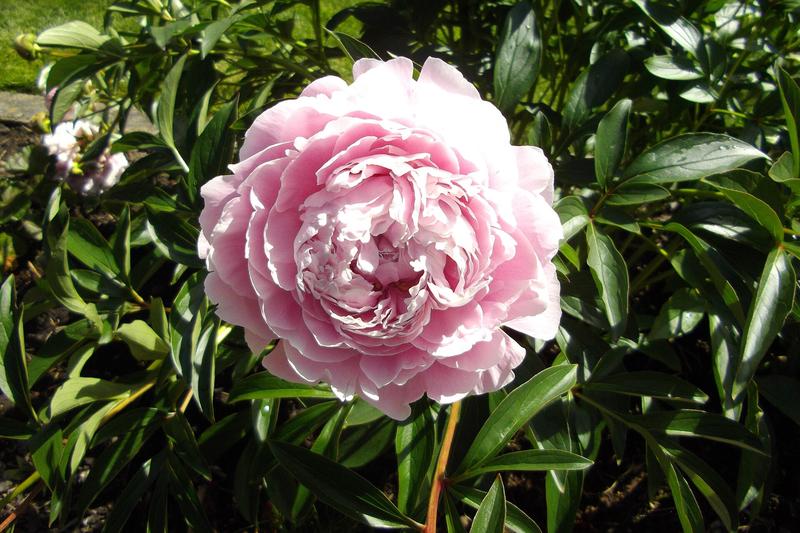
Quick facts
- Watering
- Weekly during establishment
- Sunlight
- Full sun to partial shade
- Soil
- Rich, well-drained, neutral to alkaline
- Humans
- Toxic
- Cats
- Toxic
- Dogs
- Toxic
- Height
- 60–90 cm
- Spread
- 60–90 cm
- Spacing
- 75–90 cm apart
- RHS recognition
- Award of Garden Merit
About Peony
Peonies are beloved herbaceous perennials renowned for their spectacular, often fragrant blooms in late spring and early summer. Native to China, Mongolia and Siberia, these long-lived plants produce large, bowl-shaped flowers in shades of white, pink, red and coral atop lush, deep-green foliage. UK gardeners prize peonies for their reliability, longevity (plants can thrive for decades) and their ability to create stunning focal points in cottage gardens and mixed borders. Once established, they require minimal maintenance and reward patience with an increasingly impressive floral display year after year.
UK fact: Many peony cultivars hold the RHS Award of Garden Merit, and the plants have been cherished in British gardens since the 16th century, with historic varieties still thriving in National Trust properties across the country.
Watering Peony
Water newly planted peonies weekly during their first growing season to establish deep roots. Once established, plants are remarkably drought-tolerant and typically require watering only during prolonged dry spells, particularly in April and May when flower buds are developing. In the UK's typically moist climate, overwatering is more problematic than underwatering; avoid waterlogged conditions which can cause root rot. A 5cm layer of mulch helps retain moisture whilst keeping roots cool.
Sunlight requirements
Position peonies where they receive at least six hours of direct sunlight daily for the best flowering performance. In the UK, a south or west-facing aspect is ideal, though plants in northern regions can tolerate more shade. Avoid deep shade beneath trees, as this significantly reduces bloom production and can encourage fungal diseases in our damp climate.
Soil and feeding
Prepare planting sites with generous amounts of well-rotted manure or garden compost, digging to at least 45cm depth as peonies develop extensive root systems. The ideal pH is 6.5-7.5, making them well-suited to many British garden soils, particularly chalky or limestone areas. Heavy clay soils must be improved with grit and organic matter to ensure adequate drainage, as waterlogged roots are prone to rot. Avoid acidic soils below pH 6.0, which can lead to poor growth and reduced flowering.
Apply a balanced fertiliser such as blood, fish and bone in March as new shoots emerge, scattering a generous handful around the base of each plant. After flowering finishes in June or July, apply a second feed of sulphate of potash to encourage strong root development and promote bud formation for the following year. Avoid high-nitrogen feeds after spring, as these promote leafy growth at the expense of flowers.
Pruning Peony
Deadhead spent blooms immediately after flowering to maintain a tidy appearance and prevent energy being diverted into seed production. In October or November, once foliage has died back naturally and turned brown, cut all stems to ground level and dispose of the material (do not compost if disease was present). This autumn clear-up is essential for preventing peony wilt and other fungal diseases from overwintering in dead plant material. Avoid cutting back green foliage in summer, as it's needed to build up the plant's energy reserves for next year's display.
Propagating Peony
Divide established clumps in September or October when plants are dormant. Carefully lift the entire root system with a fork, taking care not to damage the brittle roots, then wash away soil to reveal the crown. Using a sharp knife, divide the crown into sections, ensuring each piece has at least three to five healthy buds (eyes) and a good portion of root. Replant divisions immediately at the same depth as before—buds should be no more than 2.5cm below the soil surface, as planting too deeply is a common cause of failure to flower.
Common problems
Peony wilt (Botrytis paeoniae) is the most serious disease affecting peonies in the UK, causing stems to collapse and buds to blacken; remove and destroy affected growth immediately and ensure good air circulation. Aphids often cluster on flower buds in spring but rarely cause lasting damage—a strong jet of water usually suffices, or encourage natural predators. Ants are frequently seen on buds feeding on sweet nectar but are harmless and do not need controlling. Failure to flower is usually caused by planting too deeply, insufficient sunlight, or dividing plants too young; patience is essential as newly planted or divided peonies often take two to three years to bloom well.
Spot a problem with your plant? Photograph the affected area using the Loam app and it will suggest the most likely cause and treatment.
Safety
- Humans
-
Toxic
All parts of the peony plant contain the toxin paeonol and can cause nausea, vomiting and diarrhoea if ingested. Handle with care and wash hands after contact.
- Cats
-
Toxic
Toxic to cats if ingested, causing vomiting, diarrhoea and depression. Keep cats away from plants, particularly curious kittens.
- Dogs
-
Toxic
Toxic to dogs if ingested, causing vomiting, diarrhoea and excessive drooling. Monitor dogs around peonies and seek veterinary advice if ingestion occurs.
Toxicity information is for general guidance only. If a person or pet has been exposed to this plant and you are concerned, seek advice from a medical professional or vet.
Seasonal care calendar
Monthly care guide for Peony in the UK, based on average conditions.
| Month | Care tasks |
|---|---|
| January | No action needed; plants are fully dormant. Avoid walking on beds when soil is frozen or waterlogged. |
| February | Check mulch hasn't buried emerging shoots. Remove any debris from around crowns as red shoots begin to appear late in the month in milder areas. |
| March | Apply blood, fish and bone fertiliser as shoots emerge. Stake tall varieties early before stems elongate. Watch for signs of peony wilt on new growth. |
| April | Water during dry spells as buds develop. Check for aphids on developing flower buds and remove by hand or with water spray if necessary. |
| May | Enjoy the spectacular blooms. Provide support for heavy flower heads if needed. Cut a few stems for indoor displays, leaving plenty of foliage on the plant. |
| June | Deadhead spent flowers promptly. Apply a potassium-rich feed after flowering finishes to support next year's blooms. Continue watering in dry weather. |
| July | Allow foliage to remain to build up plant reserves. Water only during prolonged drought. Remove any diseased leaves immediately. |
| August | No action needed. Foliage remains attractive throughout summer. Ensure plants don't dry out completely in hot weather. |
| September | Ideal month for dividing mature plants if needed. Prepare new planting sites with plenty of organic matter. Plant or transplant divisions immediately. |
| October | Continue dividing if necessary. As foliage begins to die back, cut stems to ground level and clear away all debris to prevent disease overwintering. |
| November | Complete autumn tidy-up, removing all dead foliage. Apply a light mulch of well-rotted compost around (not over) the crown. |
| December | No action needed; plants are dormant. Plan next year's planting schemes and order new varieties from specialist nurseries. |
Frequently asked questions
- Why is my peony not flowering?
- The most common reasons are planting too deeply (buds should be only 2.5cm below soil), insufficient sunlight (needs at least six hours daily), the plant being too young (newly planted or divided peonies take two to three years to flower well), or excessive nitrogen fertiliser promoting foliage over blooms. Check planting depth first and ensure the location receives adequate sun.
- When should I cut back my peony and how do I know if it has peony wilt?
- Cut back dead foliage to ground level in October or November once it has naturally died back and turned brown. Peony wilt causes stems to suddenly collapse and turn brown, and buds to blacken and fail to open, typically in spring. The Loam app can help you identify diseases from photos and set reminders for seasonal pruning tasks tailored to your garden's conditions.
- Can I grow peonies in pots in the UK?
- Yes, though peonies prefer open ground. Choose a large container (at least 45cm diameter and depth), use a soil-based compost such as John Innes No. 3, and ensure excellent drainage. Container-grown peonies need more frequent watering and feeding, and may require division more often. Protect pots from hard frosts by moving to a sheltered spot or wrapping in fleece during severe weather.
Got a question about growing Peony that isn't covered here? Ask the Garden Advisor in the Loam app. It knows your saved plants and local conditions.
Related plants
This page was compiled with AI assistance and reviewed by our team. .