Bleeding Heart
Lamprocapnos spectabilis
Perennials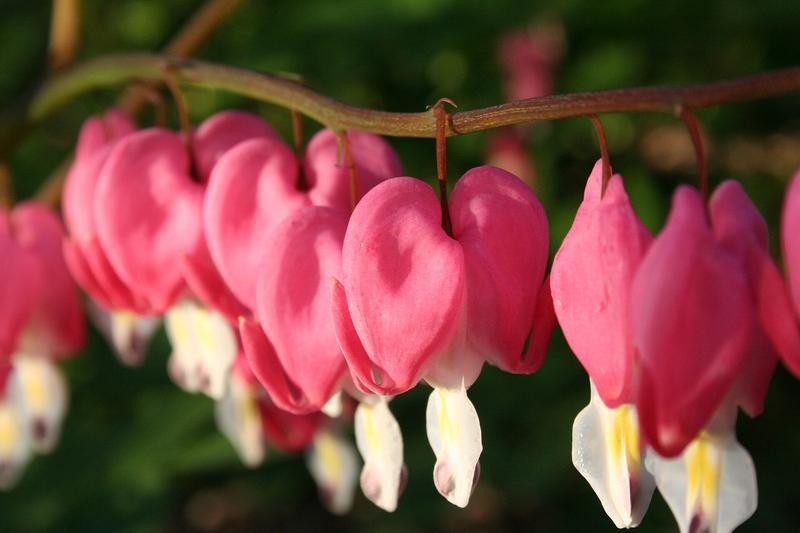
Quick facts
- Watering
- Weekly during growing season
- Sunlight
- Partial shade
- Soil
- Rich, moist, well-drained
- Humans
- Toxic
- Cats
- Toxic
- Dogs
- Toxic
- Height
- 60–90 cm
- Spread
- 45–60 cm
- Spacing
- 45–60 cm apart
- RHS recognition
- Award of Garden Merit
About Bleeding Heart
Bleeding Heart is a graceful herbaceous perennial renowned for its distinctive heart-shaped pink and white flowers that dangle from arching stems in late spring. Native to Siberia, northern China, Korea and Japan, this cottage garden favourite has been cherished in British gardens since the Victorian era. UK gardeners prize it for its romantic appearance, shade tolerance and reliable early-season colour in woodland gardens and shady borders. The fern-like foliage provides attractive ground cover before dying back naturally in mid to late summer.
UK fact: Bleeding Heart holds the Royal Horticultural Society's Award of Garden Merit, recognising its outstanding performance in British gardens and its reliability in our cool, temperate climate.
Watering Bleeding Heart
Water regularly during spring and early summer to maintain evenly moist soil, particularly during dry spells. Bleeding Heart requires consistent moisture whilst actively growing and flowering, but avoid waterlogging which can cause root rot. Once the foliage begins to yellow and die back naturally in mid to late summer, reduce watering significantly as the plant enters dormancy. Established plants are relatively drought-tolerant once dormant, though a moisture-retentive soil helps prolong the display.
Sunlight requirements
Bleeding Heart thrives in partial shade, making it ideal for north-facing borders or beneath deciduous trees where it receives dappled light. In cooler northern regions of the UK, it tolerates more sun provided the soil remains consistently moist. Avoid hot, south-facing positions as intense afternoon sun can scorch the delicate foliage and cause premature die-back.
Soil and feeding
Bleeding Heart performs best in fertile, humus-rich soil that retains moisture without becoming waterlogged. Incorporate plenty of well-rotted organic matter such as garden compost or leaf mould before planting to improve both moisture retention and drainage. The ideal pH is neutral to slightly alkaline (6.5-7.5), though it tolerates a range of soil conditions. Heavy clay soils benefit from added grit or sharp sand to improve drainage and prevent winter waterlogging.
Apply a balanced slow-release fertiliser or a generous mulch of well-rotted compost in early spring as new growth emerges. A second light feed with a liquid fertiliser after flowering helps replenish the plant's energy reserves before dormancy. Avoid high-nitrogen feeds which promote lush foliage at the expense of flowers.
Pruning Bleeding Heart
Minimal pruning is required for Bleeding Heart. Deadhead spent flower stems after blooming to maintain a tidy appearance, though this won't encourage further flowers. Allow the foliage to die back naturally in summer, as this process feeds the roots for next year's growth. Cut back yellowed stems to ground level once fully brown, typically in late summer or early autumn. Mark the plant's position to avoid accidentally disturbing the dormant crown during winter.
Propagating Bleeding Heart
Bleeding Heart is most easily propagated by division in early spring just as new shoots emerge, or in autumn after the foliage has died back. Carefully lift established clumps and tease apart the fleshy roots, ensuring each division has several growing points. Root cuttings can be taken in late winter by cutting 5-8cm sections of thick root and inserting them vertically into pots of gritty compost. Seed propagation is possible but slow, requiring cold stratification and taking two to three years to reach flowering size.
Common problems
Bleeding Heart is relatively trouble-free in UK gardens, though aphids may occasionally colonise young shoots and flower stems in spring. Slugs and snails can damage emerging foliage in early spring, so apply organic slug pellets or barriers around new growth. The plant naturally dies back in mid to late summer, which is not a problem but can leave gaps in borders; this is normal dormancy triggered by warm weather and lengthening days. Ensure good drainage to prevent root rot, particularly on heavy soils during wet winters.
Spot a problem with your plant? Photograph the affected area using the Loam app and it will suggest the most likely cause and treatment.
Safety
- Humans
-
Toxic
All parts of Bleeding Heart are toxic if ingested, containing isoquinoline alkaloids that can cause nausea, vomiting and tremors. Wear gloves when handling as sap may cause skin irritation in sensitive individuals.
- Cats
-
Toxic
Toxic to cats if ingested, causing vomiting, diarrhoea and tremors. Keep cats away from the plant.
- Dogs
-
Toxic
Toxic to dogs if ingested, causing vomiting, diarrhoea, tremors and difficulty breathing. Keep dogs away from the plant.
Toxicity information is for general guidance only. If a person or pet has been exposed to this plant and you are concerned, seek advice from a medical professional or vet.
Seasonal care calendar
Monthly care guide for Bleeding Heart in the UK, based on average conditions.
| Month | Care tasks |
|---|---|
| January | Plant is fully dormant. No action needed. |
| February | Apply a mulch of well-rotted compost around the crown as shoots begin to emerge in mild areas. |
| March | New growth emerges. Apply balanced fertiliser and protect young shoots from slugs. Divide established clumps if required. |
| April | Flower buds develop. Water regularly if weather is dry. Watch for aphids on flower stems. |
| May | Peak flowering period. Deadhead spent blooms and maintain consistent soil moisture. |
| June | Flowering continues into early June. Deadhead regularly and apply liquid feed after flowering finishes. |
| July | Foliage begins to yellow and die back naturally. Reduce watering as plant enters dormancy. |
| August | Cut back yellowed foliage to ground level. Mark plant position to avoid disturbance. |
| September | Plant is dormant. Division can be carried out if needed. |
| October | Plant is dormant. Tidy borders and remove any remaining dead stems. |
| November | Plant is dormant. No action needed. |
| December | Plant is dormant. No action needed. |
Frequently asked questions
- Why is my Bleeding Heart dying back in summer?
- This is completely normal behaviour. Bleeding Heart naturally goes dormant in mid to late summer, triggered by warm temperatures and longer days. The foliage yellows and dies back to ground level, and the plant rests until the following spring. Simply cut back the dead stems and mark the spot to avoid disturbing the dormant crown.
- How do I know when to water my Bleeding Heart?
- Bleeding Heart needs consistent moisture during spring and early summer whilst actively growing. The Loam app can send you personalised watering reminders based on your local weather conditions and soil type, taking the guesswork out of care and helping you maintain the perfect moisture balance.
- Can Bleeding Heart grow in full shade?
- Yes, Bleeding Heart tolerates full shade and is one of the best perennials for deep shade under trees or in north-facing borders. However, it flowers most prolifically in partial shade with some dappled light. In very deep shade, expect fewer flowers but still attractive foliage.
Got a question about growing Bleeding Heart that isn't covered here? Ask the Garden Advisor in the Loam app. It knows your saved plants and local conditions.
Related plants
This page was compiled with AI assistance and reviewed by our team. .