Veronicastrum
Veronicastrum virginicum
Perennials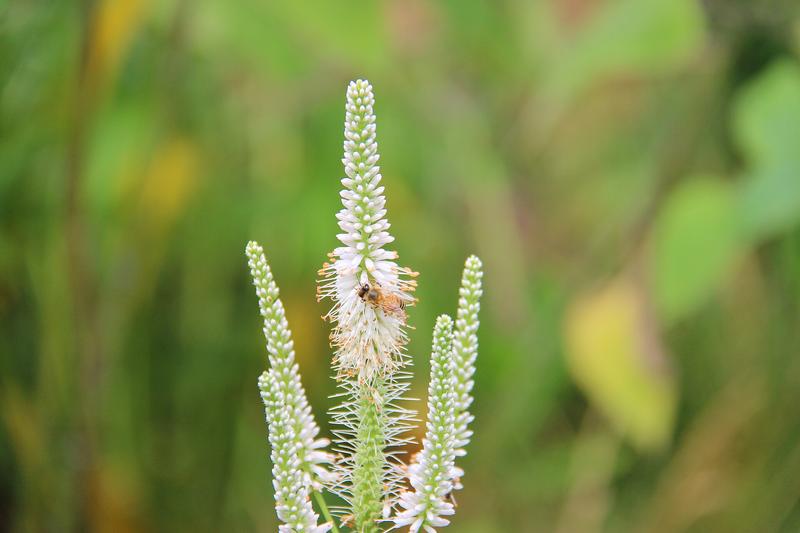
Quick facts
- Watering
- Weekly during dry spells
- Sunlight
- Full sun to partial shade
- Soil
- Moist, well-drained, fertile
- Humans
- Safe
- Cats
- Safe
- Dogs
- Safe
- Height
- 120–180 cm
- Spread
- 45–60 cm
- Spacing
- 45–60 cm apart
- RHS recognition
- Award of Garden Merit
About Veronicastrum
Veronicastrum is an elegant, upright perennial native to North America, prized for its tall spires of white, pink, or lavender flowers that bloom from mid to late summer. Growing 120–180 cm tall, it brings vertical interest and a naturalistic feel to UK borders, cottage gardens, and prairie-style plantings. The slender flower spikes attract bees, butterflies, and other pollinators, making it a valuable addition to wildlife-friendly gardens. Its architectural form and long flowering season have made it increasingly popular among British gardeners seeking low-maintenance, structural perennials.
UK fact: Several Veronicastrum cultivars, including 'Fascination' and 'Lavendelturm', have received the RHS Award of Garden Merit, recognising their excellent performance in UK gardens and their reliability in our variable climate.
Watering Veronicastrum
Once established, Veronicastrum is moderately drought-tolerant but performs best with consistent moisture, particularly during the UK's drier summer months. Water weekly during prolonged dry periods, ensuring the soil remains evenly moist but never waterlogged. Newly planted specimens require regular watering throughout their first growing season to establish a strong root system. Mulching around the base helps retain moisture and reduces watering frequency.
Sunlight requirements
Veronicastrum performs best in full sun, producing the strongest stems and most prolific flowering. In the UK, it tolerates partial shade, particularly in southern regions, though plants may require staking if light levels are insufficient. A south or west-facing border is ideal, though avoid deep shade which leads to weak, floppy growth.
Soil and feeding
Veronicastrum thrives in fertile, moisture-retentive soil that drains well, making it ideal for typical UK loam or clay-loam conditions. It tolerates a range of soil types but performs poorly in very dry, sandy soils or waterlogged ground. The plant prefers a neutral to slightly acidic pH (6.0–7.0). Improve heavy clay with organic matter to enhance drainage, and enrich lighter soils with compost to boost moisture retention.
Apply a balanced slow-release fertiliser or well-rotted compost around the base in early spring to support vigorous growth and flowering. Avoid excessive nitrogen, which encourages soft, floppy stems that may require staking. A light top-dressing of compost in autumn also benefits the plant.
Pruning Veronicastrum
Cut back spent flower spikes after blooming to encourage a second, lighter flush of flowers, though many gardeners leave the attractive seed heads standing for winter interest and wildlife value. In late winter or early spring (February–March), cut all stems down to ground level before new growth emerges. Veronicastrum rarely requires staking if grown in full sun with adequate nutrients, but tall varieties in exposed sites may benefit from discreet support in early summer.
Propagating Veronicastrum
Veronicastrum is easily propagated by division in early spring (March–April) or autumn (September–October). Lift established clumps and divide them into sections, ensuring each has several shoots and a healthy root system, then replant immediately at the same depth. Basal cuttings can be taken in spring from new shoots emerging at the base; root these in a gritty compost in a cold frame. Seed propagation is possible but slow, and cultivars may not come true to type.
Common problems
Veronicastrum is generally trouble-free and resistant to most pests and diseases in UK gardens. Slugs and snails may damage emerging shoots in spring, so protect young growth with organic slug pellets or barriers. Powdery mildew can occasionally affect foliage in dry conditions with poor air circulation; ensure adequate spacing and water at the base rather than overhead. Plants grown in shade or overfed with nitrogen may develop weak stems that flop, requiring staking or repositioning to a sunnier spot.
Spot a problem with your plant? Photograph the affected area using the Loam app and it will suggest the most likely cause and treatment.
Safety
- Humans
- Safe
- Cats
- Safe
- Dogs
- Safe
Toxicity information is for general guidance only.
Seasonal care calendar
Monthly care guide for Veronicastrum in the UK, based on average conditions.
| Month | Care tasks |
|---|---|
| January | No action needed; plant is dormant. |
| February | Cut back old stems to ground level before new growth emerges. |
| March | Apply slow-release fertiliser or compost. Divide established clumps if needed. |
| April | Protect emerging shoots from slugs and snails. Water if conditions are dry. |
| May | Monitor growth and water during dry spells. Mulch to retain moisture. |
| June | Water regularly as flower spikes develop. Stake tall varieties if necessary. |
| July | Enjoy the flowering display. Deadhead spent blooms to encourage further flowers. |
| August | Continue watering during dry weather. Main flowering period continues. |
| September | Flowering finishes. Leave seed heads for wildlife or deadhead. Divide if needed. |
| October | Allow seed heads to stand for autumn and winter interest. |
| November | No action needed; seed heads provide structure and wildlife value. |
| December | No action needed; leave standing for winter interest. |
Frequently asked questions
- Does Veronicastrum need staking in UK gardens?
- Veronicastrum rarely needs staking if grown in full sun with adequate nutrients, as it develops strong, self-supporting stems. However, tall varieties in exposed or partially shaded positions may benefit from discreet support using grow-through hoops installed in late spring.
- Why is my Veronicastrum flopping over?
- Flopping stems usually indicate insufficient light, overfeeding with nitrogen, or poor soil drainage. The Loam app can help you diagnose the specific cause based on your growing conditions and provide personalised advice to strengthen your plant.
- When should I divide Veronicastrum?
- Divide Veronicastrum in early spring (March–April) or autumn (September–October) every 3–4 years to maintain vigour. Lift the clump, split it into sections with healthy roots and shoots, and replant immediately at the same depth in improved soil.
Got a question about growing Veronicastrum that isn't covered here? Ask the Garden Advisor in the Loam app. It knows your saved plants and local conditions.
Related plants
This page was compiled with AI assistance and reviewed by our team. .