Penstemon
Penstemon
Perennials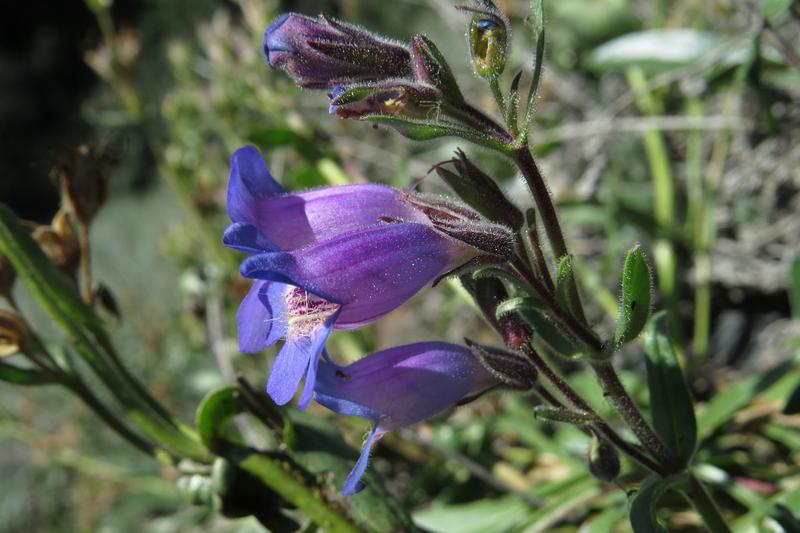
Quick facts
- Watering
- Weekly during dry spells
- Sunlight
- Full sun to partial shade
- Soil
- Well-drained, moderately fertile soil
- Humans
- Safe
- Cats
- Safe
- Dogs
- Safe
- Height
- 30–90 cm
- Spread
- 30–60 cm
- Spacing
- 30–45 cm apart
- RHS recognition
- Award of Garden Merit
About Penstemon
Penstemon is a vibrant perennial prized for its tubular flowers in shades of pink, red, purple, and white that bloom from early summer through to autumn. Native to North and Central America, these plants have become cottage garden favourites across the UK, attracting bees and hummingbird hawk-moths with their nectar-rich blooms. British gardeners value penstemons for their long flowering season and ability to fill borders with colour when many spring perennials have finished. They range from compact alpine varieties to tall border types, offering options for rock gardens, containers, and herbaceous borders alike.
UK fact: Many penstemon cultivars have received the RHS Award of Garden Merit, with varieties like 'Andenken an Friedrich Hahn' (also known as 'Garnet') proving particularly reliable in British gardens since the 1920s, tolerating our unpredictable winters better than their American cousins.
Watering Penstemon
Newly planted penstemons require consistent moisture throughout their first summer, watering weekly if rainfall is scarce. Once established, they're reasonably drought-tolerant but perform best with occasional deep watering during dry spells lasting more than two weeks. Avoid overhead watering which can encourage fungal diseases; instead, water at the base of plants in the morning. In containers, check soil moisture every few days during summer as pots dry out quickly, watering when the top 3cm feels dry to the touch.
Sunlight requirements
Position penstemons in a spot receiving at least six hours of direct sunlight daily for the best flowering performance. In the UK, a south or west-facing border is ideal, though they'll tolerate an east-facing aspect with morning sun. In particularly hot, dry gardens in southern counties, some afternoon shade can prevent stress during heatwaves, whilst in northern regions, maximise sun exposure to encourage robust growth and flowering.
Soil and feeding
The key to overwintering penstemons successfully in the UK is sharp drainage, particularly during our wet winters. They thrive in moderately fertile, neutral to slightly alkaline soil (pH 6.5-7.5) enriched with some well-rotted compost or leaf mould. On heavy clay, improve drainage by incorporating horticultural grit and planting on a slight mound or slope. Sandy soils are ideal but benefit from organic matter to prevent excessive drying in summer. Avoid over-enriching the soil with manure or high-nitrogen fertilisers, which promote soft growth vulnerable to frost damage and reduce flowering.
Apply a light dressing of general-purpose granular fertiliser such as blood, fish and bone in early spring as new growth emerges. Alternatively, use a liquid tomato feed at half strength every three to four weeks during the flowering season to encourage continuous blooms. Avoid high-nitrogen feeds which create soft, sappy growth that's vulnerable to frost and more attractive to aphids.
Pruning Penstemon
Deadhead spent flower spikes regularly throughout the flowering season to encourage further blooms into autumn. Resist the temptation to cut penstemons back hard in autumn, as the old growth provides crucial winter protection for the crown. Instead, leave the stems intact until mid to late spring when the worst frosts have passed, then cut back to emerging new growth near the base, removing any dead or frost-damaged material. This spring pruning also allows you to take softwood cuttings from the fresh growth as insurance against winter losses.
Propagating Penstemon
The most reliable method for propagating penstemons in the UK is by softwood cuttings taken in May or June, which root readily and can be overwintered in a cold frame or greenhouse. This is particularly important as many cultivars, especially the large-flowered hybrids, can be short-lived or succumb to harsh winters. Division is possible in spring but can be tricky as penstemons often have a woody base. Seed-raised plants are variable and won't come true to type from named cultivars, though species penstemons can be grown from seed sown in spring.
Common problems
Penstemons are generally trouble-free but can suffer from powdery mildew in dry conditions or overcrowded plantings, appearing as white powder on leaves. Aphids may colonise soft new growth and flower buds in spring and early summer; squash by hand or use an organic insecticidal soap if infestations are severe. The main challenge in UK gardens is winter survival, as waterlogged soil combined with frost causes crown rot, particularly in heavy clay or poorly drained sites. Slugs and snails can damage emerging shoots in spring, so protect young plants with organic slug pellets or copper barriers.
Spot a problem with your plant? Photograph the affected area using the Loam app and it will suggest the most likely cause and treatment.
Safety
- Humans
- Safe
- Cats
- Safe
- Dogs
- Safe
Toxicity information is for general guidance only.
Seasonal care calendar
Monthly care guide for Penstemon in the UK, based on average conditions.
| Month | Care tasks |
|---|---|
| January | No action needed. Leave old growth in place to protect the crown from frost. |
| February | Check plants after severe frost and firm any that have lifted from the soil. |
| March | Begin spring pruning towards the end of the month in milder areas, cutting back to new basal growth. |
| April | Complete spring pruning and apply a light feed of balanced fertiliser. Plant out new penstemons after hardening off. |
| May | Take softwood cuttings for propagation. Water newly planted specimens regularly and watch for aphids on new growth. |
| June | Continue taking cuttings. Deadhead spent flowers to encourage more blooms and apply liquid feed every 3-4 weeks. |
| July | Deadhead regularly and water during dry spells. Watch for powdery mildew in hot, dry weather. |
| August | Continue deadheading to prolong flowering into autumn. Maintain watering during prolonged dry periods. |
| September | Enjoy late flowers and continue deadheading. Reduce watering as growth slows. |
| October | Allow final flowers to fade naturally. Resist cutting back; leave old stems for winter protection. |
| November | No action needed. Ensure soil drainage is adequate before winter rains arrive. |
| December | No action needed. Old growth protects the crown through winter frosts. |
Frequently asked questions
- When should I cut back my penstemon?
- Wait until mid to late spring (March-April) rather than autumn. The old stems protect the crown from frost and wet over winter. Cut back to emerging new growth at the base once the risk of hard frost has passed.
- Why are the leaves on my penstemon turning white?
- This is likely powdery mildew, a fungal disease that appears as white powder on leaves, particularly in dry conditions or overcrowded plantings. Improve air circulation, water at the base rather than overhead, and remove affected leaves. The Loam app can help you diagnose leaf problems with photos and provide personalised treatment advice for your conditions.
- How do I propagate penstemon from cuttings?
- Take semi-ripe cuttings in late summer (July-August) from non-flowering shoots. Cut 7-10cm lengths just below a leaf node, remove lower leaves, and insert into gritty compost. Keep in a cold frame or sheltered spot, and cuttings should root within 4-6 weeks. This is an excellent way to create backup plants in case of winter losses.
Got a question about growing Penstemon that isn't covered here? Ask the Garden Advisor in the Loam app. It knows your saved plants and local conditions.
Related plants
This page was compiled with AI assistance and reviewed by our team. .