Valerian
Valeriana officinalis
Herbs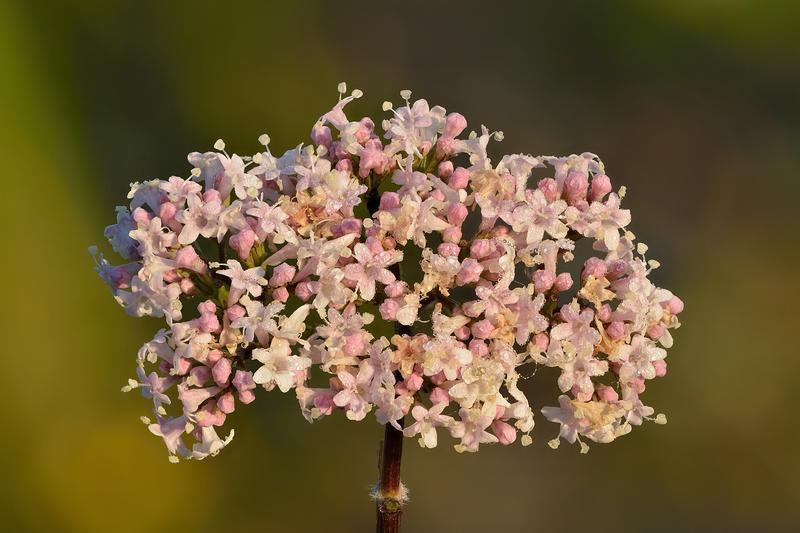
Quick facts
- Watering
- Weekly during dry spells
- Sunlight
- Full sun to partial shade
- Soil
- Moist, well-drained, fertile
- Humans
- Safe
- Cats
- Toxic
- Dogs
- Safe
- Height
- 90–150 cm
- Spread
- 60–90 cm
- Spacing
- 45–60 cm apart
About Valerian
Valerian is a hardy herbaceous perennial native to Europe and parts of Asia, prized for its medicinal roots and clusters of sweetly scented pink or white flowers. Growing 90–150 cm tall, this robust plant has been cultivated in British cottage gardens for centuries, valued both for its traditional use as a sedative and sleep aid, and for attracting pollinators. The roots develop their characteristic pungent aroma when dried, whilst the summer flowers provide nectar for bees and butterflies. UK gardeners appreciate valerian's ease of cultivation and its ability to thrive in a range of conditions, making it an excellent choice for herb gardens, wildlife borders, and naturalised plantings.
UK fact: Valerian has been grown in British monastery gardens since medieval times for its medicinal properties, and was so highly valued during World War I that it was cultivated commercially across the UK to produce sedatives for treating shell shock and nervous disorders in soldiers.
Watering Valerian
Water newly planted valerian weekly until established, ensuring the soil remains consistently moist but not waterlogged. Once the taproot system develops after the first season, plants become remarkably drought-tolerant and typically require watering only during prolonged dry spells in summer. In typical British conditions with regular rainfall, established plants rarely need supplementary watering except during extended droughts. Avoid overhead watering during flowering to prevent fungal issues, and reduce watering in autumn as the plant enters dormancy.
Sunlight requirements
Plant valerian in a position receiving at least four to six hours of direct sunlight daily for the best flowering and root development. In the UK, a south or west-facing aspect is ideal, though the plant adapts well to east-facing borders or dappled shade beneath deciduous trees. In Scotland and northern England, full sun positions are preferable to ensure adequate warmth and light throughout the growing season.
Soil and feeding
Grow valerian in moderately fertile, moisture-retentive soil enriched with organic matter such as well-rotted compost or manure. The plant tolerates a wide pH range from slightly acidic to slightly alkaline (pH 5.5–7.5), making it suitable for most British garden soils. Whilst valerian prefers consistently moist conditions, it will not thrive in waterlogged clay without improved drainage through the addition of grit or planting on a slight mound. Sandy soils benefit from generous organic matter incorporation to improve moisture retention, particularly important during the root-development phase.
Feed valerian in early spring as new growth emerges, using a general-purpose organic fertiliser such as blood, fish and bone at manufacturer's recommended rates. Alternatively, apply a 5 cm mulch of well-rotted compost or manure around the base of established plants, which provides slow-release nutrients throughout the growing season. Avoid high-nitrogen feeds that promote excessive leafy growth at the expense of root and flower development.
Pruning Valerian
Remove faded flower heads throughout summer if you wish to prevent prolific self-seeding, though leaving some flowers to set seed benefits wildlife and allows for natural propagation. In late autumn or early winter, once foliage has died back completely, cut all stems down to ground level to maintain a tidy appearance and reduce overwintering sites for pests. If growing primarily for root harvest, remove flower stems as they appear to direct the plant's energy into root development rather than seed production. Divide congested clumps every three to four years in spring or autumn to maintain vigour.
Propagating Valerian
Valerian propagates readily from seed, which can be sown directly outdoors in spring after the last frost, or started indoors in modules six to eight weeks earlier. Division of mature clumps is equally successful and provides larger plants more quickly; lift and divide congested clumps in March or October, ensuring each division has several growing points and a portion of root. Valerian also self-seeds enthusiastically in favourable conditions, and seedlings can be transplanted whilst small. Root cuttings taken in late winter offer another propagation method, though division and seed remain the most reliable approaches for UK gardeners.
Common problems
Valerian is generally trouble-free but may occasionally suffer from powdery mildew in dry conditions with poor air circulation, appearing as white powdery patches on leaves. Aphids sometimes colonise young shoots and flower buds in spring and early summer; these can be controlled by encouraging natural predators or washing off with water. Slugs and snails may damage emerging shoots in spring, particularly on young plants, so use organic controls such as copper tape or wildlife-friendly pellets. Root rot can occur in poorly drained, waterlogged soils, causing yellowing foliage and plant collapse; prevention through improved drainage is essential as there is no cure once established.
Spot a problem with your plant? Photograph the affected area using the Loam app and it will suggest the most likely cause and treatment.
Safety
- Humans
- Safe
- Cats
-
Toxic
Valerian can cause mild gastrointestinal upset in cats if ingested in large quantities, though many cats are attracted to its scent. Monitor access and contact a vet if symptoms occur.
- Dogs
- Safe
Toxicity information is for general guidance only. If a pet has been exposed to this plant and you are concerned, seek advice from a vet.
Seasonal care calendar
Monthly care guide for Valerian in the UK, based on average conditions.
| Month | Care tasks |
|---|---|
| January | No action needed; plants are fully dormant with no visible growth above ground. |
| February | Prepare planting sites by incorporating well-rotted organic matter. Order seeds if propagating from seed. |
| March | Sow seeds indoors or divide established clumps. Apply organic fertiliser or compost mulch as new shoots emerge. |
| April | Plant out hardened-off seedlings or divisions. Direct sow seeds outdoors in prepared soil. Protect young growth from slugs. |
| May | Water regularly during dry spells. Thin direct-sown seedlings to final spacing. Stake tall stems if necessary in exposed positions. |
| June | Enjoy the fragrant flowers which attract pollinators. Deadhead spent blooms to prevent excessive self-seeding if desired. |
| July | Continue deadheading and watering during dry periods. Monitor for aphids on flower stems and treat if necessary. |
| August | Allow some flowers to set seed if you want natural propagation. Water established plants only during prolonged drought. |
| September | Collect ripe seeds for sowing or sharing. Harvest roots from three-year-old plants for medicinal use if desired. |
| October | Divide congested clumps if needed. Begin cutting back dying foliage, or leave standing for wildlife habitat. |
| November | Cut all stems to ground level once foliage has completely died back. Tidy around plants and compost debris. |
| December | No action needed; plants are dormant. Plan next year's herb garden layout. |
Frequently asked questions
- When should I harvest valerian roots for medicinal use?
- Harvest roots in autumn from plants at least two to three years old, when the active compounds are most concentrated. Lift the entire plant, wash roots thoroughly, and dry them slowly in a warm, well-ventilated space before storing in airtight containers.
- Why is my valerian not flowering well?
- Poor flowering in valerian is often caused by insufficient sunlight, nutrient deficiency, or the plant being too young. Ensure your valerian receives at least three to four hours of direct sun daily and feed with a balanced fertiliser in spring. If you're unsure about light levels or nutrient issues, the Loam app can help diagnose environmental problems and provide personalised care recommendations for your specific growing conditions.
- How do I propagate valerian from seed?
- Sow valerian seeds in spring or autumn directly outdoors or in modules. Seeds need light to germinate, so press them onto the surface of moist compost without covering. Keep consistently moist at 15-20°C; germination takes two to three weeks. Transplant seedlings when large enough to handle, spacing 60 cm apart. Plants grown from seed typically take two to three years to develop roots suitable for harvesting.
Got a question about growing Valerian that isn't covered here? Ask the Garden Advisor in the Loam app. It knows your saved plants and local conditions.
Related plants
This page was compiled with AI assistance and reviewed by our team. .