Lemon Balm
Melissa officinalis
Herbs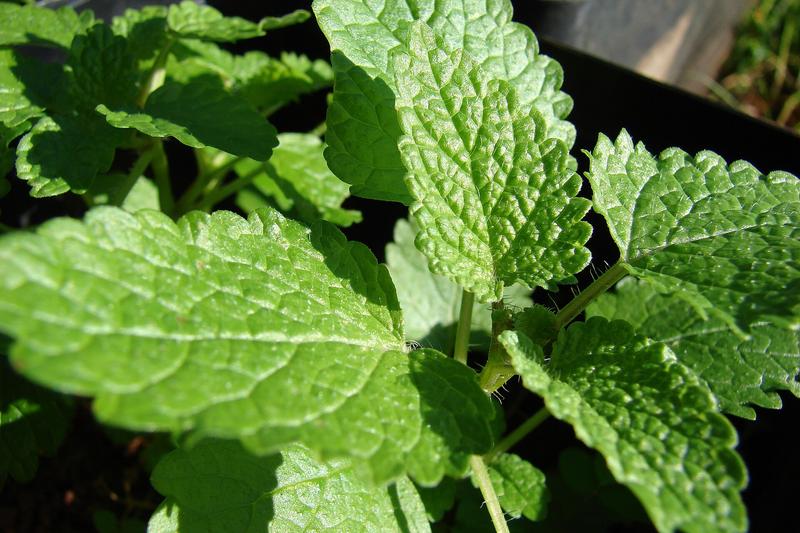
Quick facts
- Watering
- Weekly during dry spells
- Sunlight
- Full sun to partial shade
- Soil
- Well-drained, moderately fertile loam
- Humans
- Safe
- Cats
- Safe
- Dogs
- Safe
- Height
- 40–90 cm
- Spread
- 30–60 cm
- Spacing
- 30–45 cm apart
About Lemon Balm
Lemon balm is a vigorous, clump-forming perennial herb with bright green, heavily veined leaves that release a delightful lemon scent when brushed or crushed. Native to southern Europe and the Mediterranean, it has been cultivated in British gardens since medieval times for its culinary, medicinal, and bee-attracting properties. UK gardeners value it as a reliable, low-maintenance herb that thrives in our climate, providing fresh leaves from spring through autumn for teas, salads, and flavouring. Its white or pale yellow flowers appear in summer, attracting bees and other beneficial pollinators to the garden.
UK fact: Lemon balm has been grown in British monastery gardens since at least the 10th century, where monks used it to make Carmelite water, a medicinal tonic, and it remains a staple in traditional cottage gardens across the UK today.
Watering Lemon Balm
Water newly planted lemon balm weekly until well established, typically for the first growing season. Once mature, plants are reasonably drought-tolerant and usually only require watering during prolonged dry spells in summer, particularly if grown in containers. In typical UK conditions with regular rainfall, established plants in the ground rarely need supplementary watering. Avoid overwatering, as lemon balm is susceptible to root rot in poorly drained or waterlogged soil, especially during wet British winters.
Sunlight requirements
In the UK, lemon balm performs best in full sun to partial shade, making it ideal for south or west-facing borders. Plants grown in full sun produce more essential oils and stronger fragrance, whilst those in partial shade develop lusher, greener foliage. In Scotland and northern England, full sun is preferable, whereas in warmer southern counties, light afternoon shade during July and August helps prevent leaf bleaching.
Soil and feeding
Lemon balm is unfussy about soil and will grow in most garden conditions, from sandy to clay loam, provided drainage is adequate. It prefers a pH between 6.5 and 7.5, making it well-suited to typical British garden soils. Improve heavy clay with organic matter or grit to enhance drainage, as waterlogged conditions in winter can cause root rot. Avoid overly rich soil, which encourages excessive leafy growth at the expense of flavour and can make plants more prone to flopping.
Feed lemon balm sparingly, as excessive nutrients reduce the concentration of essential oils and flavour. Apply a balanced general-purpose fertiliser or a 5cm layer of garden compost around the base in early spring. Container-grown plants benefit from a liquid feed every 4-6 weeks during the growing season, using a half-strength balanced fertiliser.
Pruning Lemon Balm
Harvest leaves regularly from late spring onwards, which encourages bushy growth and prevents flowering. Cut flowering stems back by half in midsummer to promote a second flush of fresh foliage and reduce self-seeding, as lemon balm can become invasive if allowed to set seed freely. In late autumn, after the first frosts, cut all growth back to ground level to tidy the plant and prevent fungal diseases overwintering on dead foliage. Divide congested clumps every 3-4 years in spring to maintain vigour.
Propagating Lemon Balm
Division is the quickest and most reliable method for propagating lemon balm, producing mature plants within weeks. Lift established clumps in March or April, tease apart into smaller sections with roots attached, and replant immediately. Seed can be sown indoors in March or directly outdoors in April, though germination can be slow and erratic. Softwood cuttings taken in May or June root readily in moist compost or water and provide new plants by late summer.
Common problems
Lemon balm is generally trouble-free but can suffer from powdery mildew in dry conditions or overcrowded plantings, appearing as white powdery patches on leaves. Aphids occasionally colonise young shoots in spring but are easily controlled by squashing or hosing off with water. The main issue for UK gardeners is its vigorous self-seeding habit, which can lead to unwanted seedlings throughout the garden if flower heads are not removed promptly. Root rot may occur in poorly drained soil, particularly during wet winters, causing yellowing foliage and plant collapse.
Spot a problem with your plant? Photograph the affected area using the Loam app and it will suggest the most likely cause and treatment.
Safety
- Humans
- Safe
- Cats
- Safe
- Dogs
- Safe
Toxicity information is for general guidance only.
Seasonal care calendar
Monthly care guide for Lemon Balm in the UK, based on average conditions.
| Month | Care tasks |
|---|---|
| January | No action needed. Plants are fully dormant with no visible growth above ground. |
| February | Prepare planting sites by incorporating organic matter if planning new plantings in spring. |
| March | Divide established clumps and replant. Sow seeds indoors. Apply compost or balanced fertiliser around emerging plants. |
| April | Plant out divisions or pot-grown plants. Sow seeds directly outdoors. Begin light harvesting as new leaves emerge. |
| May | Harvest leaves regularly to encourage bushy growth. Take softwood cuttings. Water during dry spells. |
| June | Continue regular harvesting. Remove flower buds to promote leaf production and prevent self-seeding. Take cuttings. |
| July | Cut back flowering stems by half to encourage fresh growth. Harvest leaves for drying. Water containers regularly. |
| August | Continue harvesting. Deadhead spent flowers to prevent self-seeding. Water during prolonged dry periods. |
| September | Divide congested clumps if needed. Reduce watering as growth slows. Final fresh leaf harvest before quality declines. |
| October | Allow plants to die back naturally. Remove any unwanted seedlings that have appeared during the season. |
| November | Cut all growth back to ground level after the first frosts. Clear away dead foliage to prevent disease. |
| December | No action needed. Plants are dormant and require no winter protection in the UK. |
Frequently asked questions
- How do I stop lemon balm from flowering?
- Pinch out flower buds as soon as they appear to redirect energy into leaf production. Regular harvesting of shoot tips throughout the growing season also delays flowering and encourages bushier, more productive plants.
- Why are my lemon balm leaves turning yellow?
- Yellowing leaves usually indicate waterlogged soil or poor drainage, particularly in heavy clay. Improve drainage by adding grit or organic matter, and reduce watering. Yellowing in autumn is natural as the plant prepares for dormancy. The Loam app can help diagnose specific leaf problems and provide personalised watering advice based on your conditions.
- How do I propagate lemon balm from cuttings?
- Take 10cm softwood cuttings from non-flowering shoots in late spring or early summer. Remove lower leaves, dip the cut end in rooting hormone, and insert into pots of moist compost mixed with grit. Cover with a plastic bag and keep in a bright spot out of direct sun. Roots develop within 3-4 weeks.
Got a question about growing Lemon Balm that isn't covered here? Ask the Garden Advisor in the Loam app. It knows your saved plants and local conditions.
Related plants
This page was compiled with AI assistance and reviewed by our team. .