Mint
Mentha
Herbs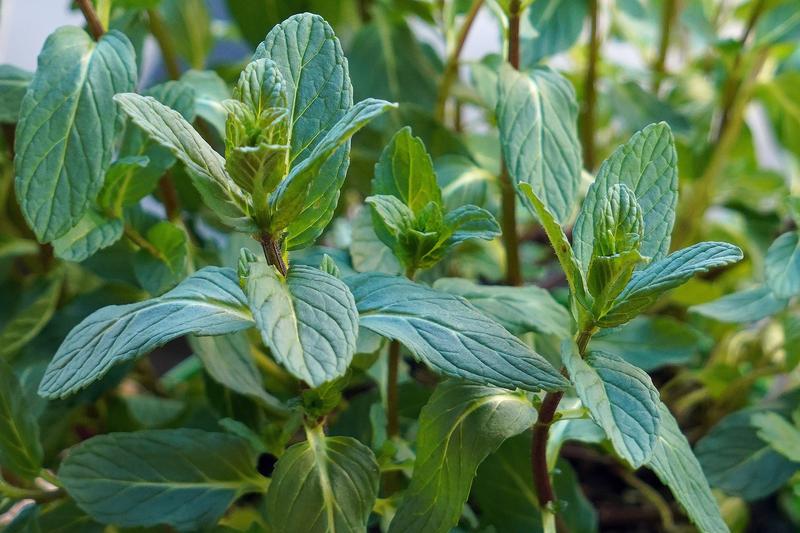
Quick facts
- Watering
- Twice weekly during growing season
- Sunlight
- Full sun to partial shade
- Soil
- Moist, well-drained, fertile soil
- Humans
- Safe
- Cats
- Toxic
- Dogs
- Safe
- Height
- 30–90 cm
- Spread
- 60–120 cm
- Spacing
- 45–60 cm apart
About Mint
Mint is a vigorous, aromatic perennial herb with square stems and fragrant leaves that range from bright green to purple-tinged, depending on variety. Native to Europe, Asia, and Africa, mint has been cultivated in British gardens for centuries, prized for its culinary, medicinal, and ornamental qualities. UK gardeners value mint for its ease of cultivation, refreshing flavour in cooking and drinks, and ability to thrive in cooler climates. Its invasive nature means it's often best grown in containers to prevent it from overwhelming garden beds.
UK fact: Mint has been grown in British monastery gardens since Roman times and was used extensively in medieval England to flavour sauces, mask unpleasant odours, and treat digestive ailments, with several native species still found growing wild along British waterways.
Watering Mint
Water mint regularly throughout the growing season, ensuring the soil remains evenly moist but not waterlogged. During warm spells and dry periods, container-grown mint may require daily watering, whilst plants in the ground typically need watering two to three times weekly. Reduce watering in autumn as growth slows, and water sparingly in winter when the plant is dormant. Mulching around plants helps retain moisture and keeps roots cool during summer, which is particularly beneficial in free-draining soils.
Sunlight requirements
In the UK, mint performs best with at least four to six hours of sunlight daily, though it will tolerate shadier positions with slightly reduced vigour and flavour intensity. South-facing or west-facing positions are ideal, but avoid deep shade under trees where growth becomes leggy. In hot summers, particularly in southern England, light afternoon shade helps prevent the leaves from becoming bitter and the soil from drying out too quickly.
Soil and feeding
Plant mint in fertile, humus-rich soil that retains moisture without becoming waterlogged. The ideal pH range is slightly acidic to neutral (6.0–7.0), though mint tolerates a wide range of soil conditions. Improve heavy clay soils with organic matter and grit to enhance drainage, whilst sandy soils benefit from generous additions of compost or well-rotted manure to improve water retention. For container cultivation, use a peat-free multipurpose compost mixed with garden compost for added nutrients and moisture retention.
Apply a balanced liquid feed every four weeks from April to September to support continuous leaf production. Alternatively, top-dress with well-rotted compost or organic fertiliser in spring. Avoid high-nitrogen feeds which can promote excessive soft growth at the expense of flavour concentration.
Pruning Mint
Pinch out growing tips regularly throughout the season to encourage branching and prevent legginess. Remove flower buds as they appear to direct energy into leaf production and maintain the best flavour. In late autumn, cut plants back to ground level after the first frosts have blackened the foliage. Every two to three years, lift and divide congested clumps in spring, replanting only the vigorous outer sections to rejuvenate growth and prevent the centre from dying out.
Propagating Mint
The simplest method is division in spring or autumn, lifting established clumps and separating rooted sections for replanting. Stem cuttings taken in spring or summer root within two weeks when placed in water or inserted into moist compost. Mint also spreads naturally via underground runners (rhizomes), which can be detached and potted up. Layering occurs naturally when stems touch the soil, and these rooted sections can be severed and transplanted.
Common problems
Mint is generally trouble-free but can suffer from mint rust, a fungal disease causing orange pustules on leaf undersides; affected plants should be cut back hard and destroyed rather than composted. Mint beetle and its larvae may chew irregular holes in leaves from late spring onwards, though damage is usually cosmetic. Aphids occasionally cluster on young shoots in spring and can be controlled with a strong jet of water or organic insecticidal soap. Poor drainage or overwatering can lead to root rot, causing yellowing foliage and wilting despite moist soil.
Spot a problem with your plant? Photograph the affected area using the Loam app and it will suggest the most likely cause and treatment.
Safety
- Humans
- Safe
- Cats
-
Toxic
Mint contains essential oils that can cause vomiting and diarrhoea in cats if consumed in large quantities, though small amounts are usually tolerated.
- Dogs
- Safe
Toxicity information is for general guidance only. If a pet has been exposed to this plant and you are concerned, seek advice from a vet.
Seasonal care calendar
Monthly care guide for Mint in the UK, based on average conditions.
| Month | Care tasks |
|---|---|
| January | No action needed. Plants are dormant; protect containers from excessive winter wet by moving under eaves or into a cold greenhouse. |
| February | Check container-grown plants and ensure drainage holes are clear. Begin planning where to plant new mint or divide existing clumps. |
| March | New growth begins to emerge. Divide congested clumps and replant vigorous sections. Apply a top-dressing of compost or balanced fertiliser. |
| April | Growth accelerates rapidly. Begin regular harvesting to encourage bushy growth. Take cuttings for propagation. Start liquid feeding regime. |
| May | Harvest regularly and pinch out growing tips to promote branching. Water frequently, especially container plants. Watch for aphids on new growth. |
| June | Peak growing season. Continue regular harvesting and feeding. Remove any flower buds to maintain leaf quality. Monitor for mint beetle damage. |
| July | Maintain consistent watering during dry spells. Harvest leaves for drying or freezing. Cut back straggly growth to encourage fresh foliage. |
| August | Continue harvesting and watering. Remove flowering stems promptly. Check for signs of mint rust and remove affected leaves immediately. |
| September | Reduce feeding as growth slows. Final heavy harvest can be made for preserving. Divide overcrowded clumps if not done in spring. |
| October | Growth slows significantly. Reduce watering frequency. Clear away fallen leaves and debris to prevent fungal diseases overwintering. |
| November | After first frosts blacken foliage, cut plants back to ground level. Tidy containers and move to sheltered positions for winter. |
| December | No action needed. Plants are fully dormant. Protect containers from waterlogging and extreme cold if severe weather is forecast. |
Frequently asked questions
- Why are my mint leaves turning yellow?
- Yellowing mint leaves usually indicate overwatering, poor drainage, or nutrient deficiency. Check the soil isn't waterlogged—mint likes moist but well-drained conditions. If drainage is adequate, feed with a balanced liquid fertiliser every 2–3 weeks during the growing season. Yellow leaves can also signal root congestion in containers, so consider repotting into a larger pot with fresh compost.
- How can I tell what's wrong with my mint plant?
- Mint problems can stem from various causes including pests (aphids, spider mites), diseases (rust, powdery mildew), environmental stress, or nutrient issues. Look for telltale signs: orange spots suggest rust, white powdery coating indicates mildew, and distorted leaves may mean aphids. The Loam app can help you diagnose specific problems by analysing photos of your plant and provide personalised care advice to get your mint back to health.
- Can I grow mint from cuttings?
- Yes, mint is very easy to propagate from cuttings. Take 10–15 cm stem cuttings from healthy growth, remove the lower leaves, and place in a glass of water on a windowsill. Roots will develop within 1–2 weeks. Once roots are 2–3 cm long, pot up into compost. Alternatively, push cuttings directly into moist compost and keep well-watered. Spring and early summer are the best times for taking cuttings.
Got a question about growing Mint that isn't covered here? Ask the Garden Advisor in the Loam app. It knows your saved plants and local conditions.
Related plants
This page was compiled with AI assistance and reviewed by our team. .