Chamomile
Matricaria chamomilla
Herbs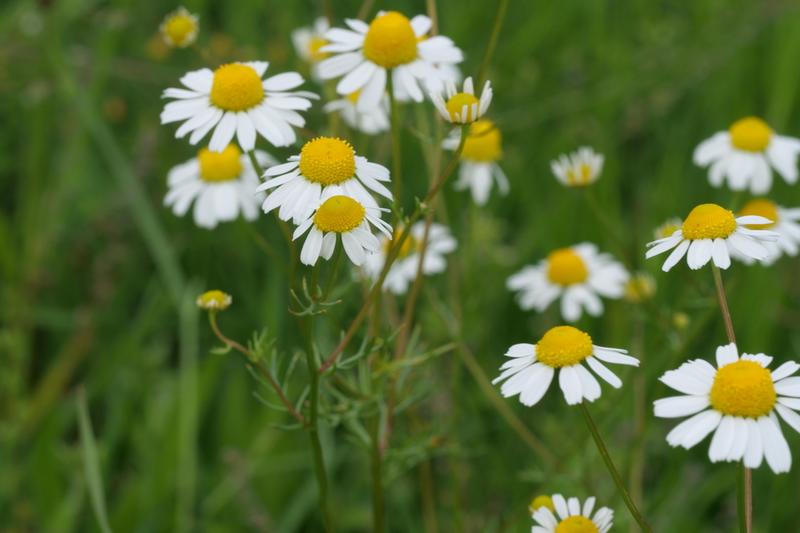
Quick facts
- Watering
- Weekly during dry spells
- Sunlight
- Full sun to partial shade
- Soil
- Well-drained, moderately fertile
- Humans
- Safe
- Cats
- Safe
- Dogs
- Safe
- Height
- 30–60 cm
- Spread
- 20–30 cm
- Spacing
- 15–20 cm apart
About Chamomile
Chamomile is a delicate annual herb with feathery foliage and small, daisy-like white flowers with bright yellow centres. Native to Europe and western Asia, it has been cultivated in British gardens for centuries for its aromatic flowers used in herbal teas and traditional remedies. UK gardeners prize chamomile for its easy-going nature, self-seeding habit, and the soothing fragrance released when flowers are harvested on warm summer days. It thrives in the British climate, requiring minimal care once established.
UK fact: Chamomile has been used in British folk medicine since medieval times, and chamomile lawns were popular features in Tudor gardens, releasing their apple-scented fragrance when walked upon.
Watering Chamomile
Newly sown or transplanted chamomile needs consistent moisture until roots establish, typically for the first 4-6 weeks. Once established, chamomile is remarkably drought-tolerant and rarely needs watering in typical British summers. During extended dry spells of more than two weeks without rain, water deeply once weekly to encourage continued flowering. Avoid overwatering, as chamomile dislikes waterlogged conditions and may develop root rot in persistently wet soil.
Sunlight requirements
Position chamomile in a spot receiving at least six hours of direct sunlight daily for the best flower production. In southern UK gardens, light afternoon shade can prevent stress during hot spells. South-facing or west-facing beds are ideal, though the plant adapts well to most aspects except deep shade.
Soil and feeding
Grow chamomile in well-drained soil with a neutral to slightly acidic pH of 5.6-7.5. Sandy or loamy soils are ideal, as heavy clay can retain too much moisture and cause root problems. The plant performs best in moderately fertile conditions; overly rich soil produces lush foliage at the expense of flowers and essential oils. If your soil is heavy, improve drainage by incorporating horticultural grit or sharp sand before sowing.
Avoid feeding chamomile with nitrogen-rich fertilisers, which promote soft, leafy growth and reduce the concentration of beneficial oils in the flowers. If growing in very poor soil, a single application of diluted liquid seaweed feed in late spring is sufficient. Container-grown plants may benefit from a weak feed every 4-6 weeks during the flowering season.
Pruning Chamomile
Harvest flowers regularly by snipping them just below the flower head when fully open, ideally in mid-morning after dew has dried but before the day becomes too hot. This encourages continuous flowering throughout summer. Deadhead spent blooms if you wish to prevent self-seeding, though many gardeners allow chamomile to scatter seed for next year's crop. Cut plants back to ground level after the first frosts in autumn, or leave seed heads for birds and allow natural die-back over winter.
Propagating Chamomile
Sow chamomile seeds from March to May for summer flowering, either directly into prepared soil or in modules under cover for transplanting later. Seeds need light to germinate, so barely cover them with a fine sprinkling of compost or vermiculite. Germination typically occurs within 7-14 days at temperatures of 15-20°C. Chamomile self-seeds readily in favourable conditions, and established plants often provide volunteer seedlings the following spring that can be transplanted or thinned as needed.
Common problems
Chamomile is generally trouble-free but may occasionally suffer from aphid infestations on new growth during warm weather; these can be controlled with insecticidal soap or by encouraging natural predators like ladybirds. Powdery mildew can appear on foliage in humid conditions or where air circulation is poor, though it rarely causes serious harm. Overwatering or poorly drained soil may lead to root rot and damping off in seedlings. Slugs and snails sometimes nibble young plants in spring, so protect seedlings with organic slug pellets or barriers until they're established.
Spot a problem with your plant? Photograph the affected area using the Loam app and it will suggest the most likely cause and treatment.
Safety
- Humans
- Safe
- Cats
- Safe
- Dogs
- Safe
Toxicity information is for general guidance only.
Seasonal care calendar
Monthly care guide for Chamomile in the UK, based on average conditions.
| Month | Care tasks |
|---|---|
| January | No action needed. Plants are dormant or have completed their annual lifecycle. |
| February | Prepare seed beds by weeding and raking to a fine tilth. Sow seeds under cover in modules from late February for earlier flowering. |
| March | Sow seeds directly outdoors from mid-March in milder regions, or continue sowing under cover. Transplant early-sown seedlings into larger pots if needed. |
| April | Continue direct sowing outdoors. Harden off and transplant module-grown seedlings from late April. Thin direct-sown seedlings to 15-20cm spacing. |
| May | Final sowings for late summer flowers. Water young plants during dry spells. First flowers may appear on early-sown plants by month's end. |
| June | Begin harvesting flowers for tea or drying when fully open. Deadhead regularly to prolong flowering. Water during dry periods. |
| July | Peak flowering period. Harvest flowers regularly in mid-morning for best flavour and aroma. Continue deadheading to encourage more blooms. |
| August | Continue harvesting and deadheading. Allow some flowers to set seed if you want self-sown plants next year. Water if conditions are very dry. |
| September | Flowering continues into early autumn. Collect ripe seed heads for sowing next spring or allow to self-seed naturally. |
| October | Flowering finishes. Cut back spent plants or leave seed heads for wildlife. Clear away debris to prevent disease overwintering. |
| November | Complete autumn tidy-up. Prepare beds for next year's sowing by adding organic matter if needed. |
| December | No action needed. Plan next year's herb garden and order seeds for spring sowing. |
Frequently asked questions
- How do I harvest chamomile flowers for tea?
- Harvest flowers in mid-morning when they're fully open and the dew has dried but before the day becomes hot. This is when essential oils are at their peak. Snip flower heads just below the base and use fresh or dry them in a warm, airy place away from direct sunlight. For best results, harvest every few days throughout the flowering season.
- Why isn't my chamomile flowering?
- Insufficient sunlight is the most common cause of poor flowering. Chamomile needs at least six hours of direct sun daily. Overly rich soil or excessive nitrogen feeding can also promote leafy growth at the expense of flowers. If you're unsure what's affecting your plant, the Loam app can help diagnose the issue and provide personalised care advice based on your growing conditions.
- What type of soil does chamomile need?
- Chamomile thrives in well-drained, moderately fertile soil with a neutral to slightly acidic pH (6.0-7.0). It prefers light, sandy or loamy soil rather than heavy clay. Avoid overly rich soil or adding too much compost, as this encourages leafy growth rather than flowers. If drainage is poor, work in horticultural grit or grow in raised beds.
Got a question about growing Chamomile that isn't covered here? Ask the Garden Advisor in the Loam app. It knows your saved plants and local conditions.
Related plants
This page was compiled with AI assistance and reviewed by our team. .