Pot Marigold
Calendula officinalis
Annuals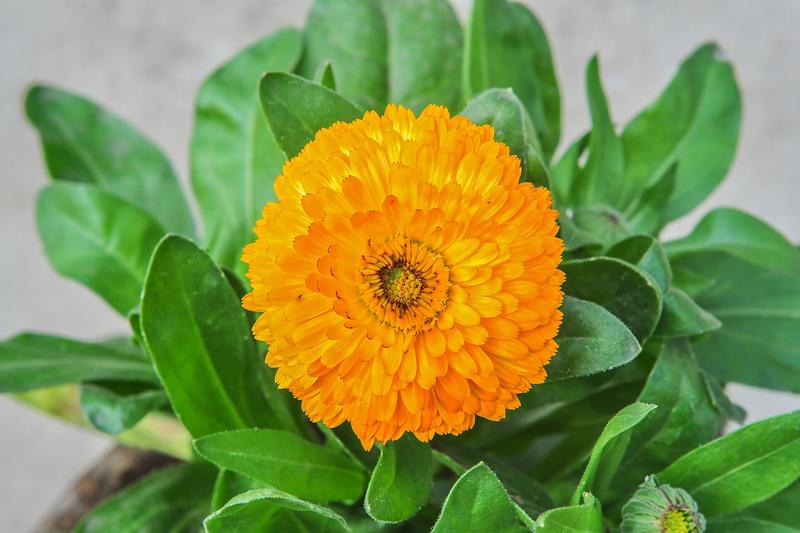
Quick facts
- Watering
- Weekly during dry spells
- Sunlight
- Full sun to partial shade
- Soil
- Well-drained, moderately fertile
- Humans
- Safe
- Cats
- Safe
- Dogs
- Safe
- Height
- 30–60 cm
- Spread
- 20–40 cm
- Spacing
- 20–30 cm apart
About Pot Marigold
Pot Marigold is a cheerful hardy annual producing bright orange or yellow daisy-like flowers from spring through to the first frosts. Native to southern Europe, it has been grown in British cottage gardens for centuries, valued for its long flowering season, edible petals, and traditional medicinal uses. UK gardeners prize it as an easy-to-grow companion plant that attracts beneficial insects whilst adding vibrant colour to borders, containers, and cutting gardens. The flowers self-seed readily, often returning year after year in favourable conditions.
UK fact: Pot Marigold has been cultivated in British gardens since medieval times, when it was grown in monastery gardens for culinary and medicinal purposes, with the petals used to colour cheese and butter a rich golden hue.
Watering Pot Marigold
Once established, Pot Marigolds are remarkably drought-tolerant and require watering only during prolonged dry periods. Water young plants regularly until they develop a strong root system, typically for the first 4-6 weeks after planting. In containers, check soil moisture more frequently and water when the top 2-3cm feels dry. Avoid overhead watering in humid conditions to reduce the risk of powdery mildew, instead directing water at the base of plants.
Sunlight requirements
Pot Marigolds perform best in full sun, producing the most prolific flowering when receiving at least six hours of direct sunlight daily. They tolerate partial shade, particularly in south-facing positions during hot summers, though flowering may be reduced. In the UK, they thrive in open, sunny borders and are ideal for south or west-facing beds and containers.
Soil and feeding
Pot Marigolds are unfussy and thrive in most well-drained garden soils, including poor to moderately fertile ground. They prefer a neutral to slightly alkaline pH of 6.0-7.5 but adapt to a wide range. Avoid overly rich soil, which encourages lush foliage at the expense of flowers. In heavy clay, improve drainage by incorporating grit or sharp sand, or grow in raised beds and containers filled with multipurpose compost.
Pot Marigolds require minimal feeding and often perform better in lean soil. If growing in containers, apply a balanced liquid fertiliser at half strength every 4-6 weeks during the flowering season. Avoid high-nitrogen feeds, which promote foliage growth over flowers.
Pruning Pot Marigold
Deadhead spent flowers regularly throughout the growing season to prolong flowering and maintain a tidy appearance. Simply pinch or snip off faded blooms just above the next set of leaves. If plants become leggy or flowering slows in midsummer, cut back by one-third to encourage fresh growth and a second flush of blooms. Allow some flowers to set seed at the end of the season if you wish plants to self-seed for the following year.
Propagating Pot Marigold
Pot Marigolds are easily grown from seed sown directly outdoors or started under cover. For early flowers, sow seeds indoors in modules or small pots 6-8 weeks before the last frost, barely covering them with compost, and germinate at 15-20°C. Direct sow outdoors from March to May, or in September for overwintered plants that flower earlier the following year. Seeds germinate in 7-14 days and plants often self-seed freely, producing volunteer seedlings in subsequent years.
Common problems
Pot Marigolds are generally trouble-free but can suffer from powdery mildew in humid conditions or when planted too closely together. Ensure good air circulation and avoid overhead watering to minimise fungal issues. Aphids occasionally colonise young growth and flower buds; spray with water or use an organic insecticidal soap if infestations are severe. Slugs and snails may damage young seedlings in spring, so protect with organic slug pellets or barriers until plants are established.
Spot a problem with your plant? Photograph the affected area using the Loam app and it will suggest the most likely cause and treatment.
Safety
- Humans
- Safe
- Cats
- Safe
- Dogs
- Safe
Toxicity information is for general guidance only.
Seasonal care calendar
Monthly care guide for Pot Marigold in the UK, based on average conditions.
| Month | Care tasks |
|---|---|
| January | No action needed. Plan where to sow seeds in spring. |
| February | Sow seeds indoors in modules for early flowering plants. |
| March | Continue indoor sowing. Direct sow outdoors in mild regions from mid-month. |
| April | Direct sow outdoors. Harden off and plant out indoor-sown seedlings after last frost. |
| May | Plant out remaining seedlings. Direct sow for succession flowering. Begin deadheading early flowers. |
| June | Deadhead regularly to prolong flowering. Water during dry spells. |
| July | Continue deadheading. Cut back leggy plants to encourage fresh growth. |
| August | Maintain deadheading. Water containers regularly during hot weather. |
| September | Sow seeds outdoors for overwintered plants. Allow some flowers to set seed for self-sowing. |
| October | Collect ripe seeds for sowing next year. Clear spent plants or leave to self-seed. |
| November | Clear remaining plants. Protect autumn-sown seedlings with cloches in cold regions. |
| December | No action needed. Store collected seeds in a cool, dry place. |
Frequently asked questions
- When should I sow Pot Marigold seeds in the UK?
- Sow Pot Marigold seeds indoors from February to March for early flowers, or direct sow outdoors from March to May once the soil has warmed. For earlier flowering the following year, sow outdoors in September to overwinter young plants.
- Why are my Pot Marigolds not flowering as much as they should?
- Reduced flowering is often caused by insufficient sunlight, overly rich soil, or lack of deadheading. The Loam app can help diagnose specific issues based on your growing conditions and send reminders to deadhead regularly for continuous blooms.
- Can I eat Pot Marigold flowers?
- Yes, Pot Marigold petals are edible and have been used for centuries in salads, soups, and as a natural food colouring. Harvest fresh flowers in the morning after dew has dried, and use petals raw or dried for culinary purposes.
Got a question about growing Pot Marigold that isn't covered here? Ask the Garden Advisor in the Loam app. It knows your saved plants and local conditions.
Related plants
This page was compiled with AI assistance and reviewed by our team. .