Globeflower
Trollius europaeus
Perennials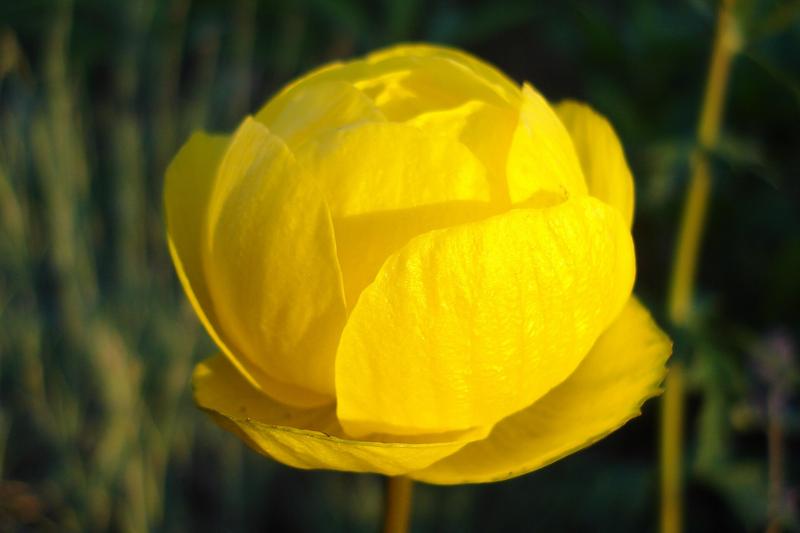
Quick facts
- Watering
- Keep constantly moist
- Sunlight
- Partial shade to full sun
- Soil
- Rich, moisture-retentive, humus-rich
- Humans
- Toxic
- Cats
- Toxic
- Dogs
- Toxic
- Height
- 50–80 cm
- Spread
- 30–45 cm
- Spacing
- 30–40 cm apart
- RHS recognition
- Award of Garden Merit
About Globeflower
Globeflower is a charming native British perennial producing spherical, buttercup-like flowers in shades of bright yellow during late spring and early summer. Native to damp meadows and streamside habitats across the UK and northern Europe, this moisture-loving plant thrives in cool, wet conditions that many other perennials struggle with. UK gardeners prize it for naturalising in bog gardens, pond margins, and shaded borders where its cheerful blooms attract pollinators. The deeply divided, palmate foliage remains attractive throughout the growing season, providing structure even after flowering finishes.
UK fact: Globeflower is one of Britain's most threatened wildflowers, having declined dramatically due to agricultural drainage and meadow loss, making it a conservation priority and a valuable addition to wildlife-friendly gardens.
Watering Globeflower
This moisture-loving perennial requires consistently damp soil and will not tolerate drought. Water regularly during dry spells, particularly from April through August when actively growing and flowering. In bog gardens or pond margins, natural moisture levels are usually sufficient, but border-grown plants may need watering two to three times weekly during warm weather. Mulch with organic matter to help retain soil moisture and reduce watering frequency.
Sunlight requirements
Globeflower performs best in partial shade, particularly in southern UK gardens where afternoon shade prevents moisture stress. In northern regions and Scotland, full sun is tolerated provided soil remains consistently moist. Avoid hot, south-facing borders; instead, plant in north or east-facing positions or beneath the dappled shade of deciduous trees.
Soil and feeding
Globeflower thrives in fertile, humus-rich soil that remains consistently moist throughout the year. Heavy clay soils are ideal provided they don't become waterlogged in winter, whilst sandy soils require substantial organic matter incorporation to improve moisture retention. The plant tolerates a wide pH range from slightly acidic to neutral (pH 5.5-7.0). Incorporate well-rotted compost or leaf mould before planting to boost fertility and moisture-holding capacity.
Apply a balanced slow-release fertiliser in early spring as new growth emerges. A second feed with liquid seaweed or general-purpose fertiliser in early summer supports flowering and maintains vigour, particularly for plants in containers or less fertile soils.
Pruning Globeflower
Deadhead spent flowers in June and July to maintain a tidy appearance, though this won't encourage further blooms. Cut back faded foliage to ground level in late autumn once it has yellowed and died back naturally. Divide congested clumps every three to four years in early spring or immediately after flowering to maintain vigour and flower production.
Propagating Globeflower
Divide established clumps in early spring (March) or immediately after flowering in late June. Lift the entire plant, tease apart the fibrous roots into sections with at least three shoots each, and replant immediately into moist soil. Seed propagation is possible but slow; sow fresh seed in autumn in pots of moist compost and leave outdoors over winter for cold stratification. Germination occurs the following spring, with plants taking two to three years to reach flowering size.
Common problems
Globeflower is relatively trouble-free but can suffer from powdery mildew in dry conditions, appearing as white powdery patches on leaves during summer. Ensure consistent soil moisture and good air circulation to prevent this. Slugs and snails may damage emerging shoots in spring; use organic controls or barriers to protect new growth. The main cultural problem is drought stress, which causes leaf scorch, stunted growth, and poor flowering; always prioritise adequate watering and moisture-retentive soil.
Spot a problem with your plant? Photograph the affected area using the Loam app and it will suggest the most likely cause and treatment.
Safety
- Humans
-
Toxic
All parts contain protoanemonin, which can cause skin irritation and gastric upset if ingested. Wear gloves when handling.
- Cats
-
Toxic
Contains protoanemonin which can cause vomiting, diarrhoea, and oral irritation if ingested.
- Dogs
-
Toxic
Contains protoanemonin which can cause vomiting, diarrhoea, and oral irritation if ingested.
Toxicity information is for general guidance only. If a person or pet has been exposed to this plant and you are concerned, seek advice from a medical professional or vet.
Seasonal care calendar
Monthly care guide for Globeflower in the UK, based on average conditions.
| Month | Care tasks |
|---|---|
| January | No action needed; plant is fully dormant. |
| February | Check mulch levels and top up with organic matter if needed. |
| March | Apply slow-release fertiliser as new shoots emerge. Divide congested clumps if required. |
| April | Water regularly as growth accelerates. Protect emerging shoots from slugs. |
| May | Enjoy the flowering display. Ensure soil remains consistently moist. |
| June | Deadhead spent blooms. Divide plants immediately after flowering if needed. Apply liquid feed. |
| July | Continue deadheading. Water frequently during dry spells to prevent stress. |
| August | Maintain consistent watering. Monitor for powdery mildew in dry conditions. |
| September | Reduce watering as growth slows. Allow foliage to die back naturally. |
| October | Cut back yellowed foliage to ground level. Apply autumn mulch. |
| November | No action needed; plant entering dormancy. |
| December | No action needed; plant is fully dormant. |
Frequently asked questions
- Why is my globeflower not flowering?
- Lack of flowering is usually caused by insufficient moisture, too much shade, or overcrowded clumps. Ensure the soil remains consistently moist throughout spring and early summer, provide at least four hours of sunlight daily, and divide congested plants every three to four years to restore vigour and flower production.
- When should I water my globeflower and how often?
- Globeflower needs consistently moist soil year-round, requiring watering two to three times weekly during dry spells from April to August. The Loam app can send personalised watering reminders based on your local weather conditions and soil type, ensuring your plant never suffers drought stress.
- Can globeflower grow in a bog garden or pond margin?
- Yes, globeflower is ideal for bog gardens and pond margins where it thrives in the naturally moist conditions. Plant at the water's edge or in permanently damp soil rather than submerged, ensuring the crown sits just above the waterline for best results.
Got a question about growing Globeflower that isn't covered here? Ask the Garden Advisor in the Loam app. It knows your saved plants and local conditions.
Related plants
This page was compiled with AI assistance and reviewed by our team. .