Himalayan Blue Poppy
Meconopsis betonicifolia
Perennials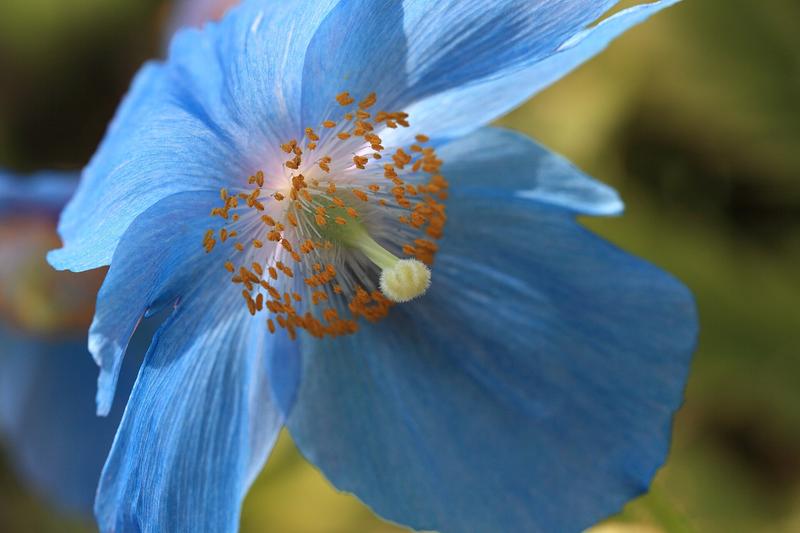
Quick facts
- Watering
- Twice weekly during growing season
- Sunlight
- Partial shade
- Soil
- Rich, moist, acidic, well-drained
- Humans
- Toxic
- Cats
- Toxic
- Dogs
- Toxic
- Height
- 90–120 cm
- Spread
- 30–45 cm
- Spacing
- 40–50 cm apart
- RHS recognition
- Award of Garden Merit
About Himalayan Blue Poppy
The Himalayan Blue Poppy is a stunning perennial renowned for its extraordinary sky-blue flowers that appear in late spring and early summer. Native to the mountainous regions of Tibet and western China, this plant thrives in the cool, moist conditions found in parts of Scotland and northern England. UK gardeners prize it for its rare true-blue colour, a shade almost unmatched in the plant kingdom. Though challenging to grow in warmer southern regions, it rewards patient gardeners in cooler climates with breathtaking displays.
UK fact: The Himalayan Blue Poppy holds an RHS Award of Garden Merit and has become particularly associated with Scottish gardens, where the cool, damp climate mirrors its native Himalayan habitat—gardens such as Cluny House in Perthshire and Arduaine in Argyll showcase spectacular displays that are difficult to replicate further south.
Watering Himalayan Blue Poppy
Consistent moisture is absolutely critical for Himalayan Blue Poppies—the soil must never dry out during the growing season from spring through summer. Water deeply twice weekly in dry spells, increasing frequency during hot weather. In the cooler, wetter climates of Scotland and northern England, natural rainfall often suffices, but monitor plants during dry periods. Reduce watering after flowering as plants enter dormancy, but never allow complete drying out.
Sunlight requirements
Himalayan Blue Poppies perform best in dappled shade or a position that receives morning sun and afternoon shade, particularly in southern England. In Scotland and northern regions, they tolerate more sun provided the soil remains consistently moist. Avoid hot, south-facing positions which cause stress and reduce flowering.
Soil and feeding
This plant demands humus-rich, moisture-retentive yet well-drained soil with an acidic to neutral pH of 5.5-7.0. Incorporate generous amounts of leaf mould, well-rotted compost, or ericaceous compost before planting to improve moisture retention and acidity. Heavy clay soils must be improved with organic matter and grit to prevent waterlogging, which causes root rot. A woodland-style soil that mimics their native Himalayan habitat is ideal.
Apply a balanced liquid feed every three to four weeks during the growing season from April through June to support vigorous growth and flower production. Alternatively, mulch around plants in early spring with well-rotted compost or leaf mould, which provides slow-release nutrients whilst helping retain soil moisture.
Pruning Himalayan Blue Poppy
Deadhead spent flowers promptly unless you wish to collect seed, as allowing seed production weakens the plant and may cause it to die after flowering. Cut back flower stems to the basal rosette once flowering finishes in July. Remove any damaged or yellowing leaves throughout the season to maintain plant health and appearance. In autumn, allow foliage to die back naturally before tidying away dead leaves in late winter.
Propagating Himalayan Blue Poppy
Himalayan Blue Poppies are best propagated from fresh seed sown in late summer or early autumn, as seed viability declines rapidly. Surface-sow seeds onto moist, acidic seed compost and place in a cold frame—germination occurs the following spring after a period of cold stratification. Division is possible in early spring for established clumps, carefully separating rosettes with roots attached, though plants resent disturbance. Many gardeners treat this plant as a short-lived perennial, renewing stock from seed every few years to maintain vigour.
Common problems
Slugs and snails are the primary pests, causing severe damage to emerging shoots and young foliage in spring—use organic controls or barriers to protect plants. Downy mildew can affect plants in humid conditions with poor air circulation, appearing as yellow patches on leaves. The most common problem is cultural: plants struggle and often fail in hot, dry conditions or alkaline soils, with symptoms including poor flowering, yellowing foliage, and premature death. In southern England, even with careful cultivation, plants may behave as short-lived perennials rather than truly perennial.
Spot a problem with your plant? Photograph the affected area using the Loam app and it will suggest the most likely cause and treatment.
Safety
- Humans
-
Toxic
All parts of Meconopsis species contain toxic alkaloids and should not be ingested. Handle with care and wash hands after contact.
- Cats
-
Toxic
Toxic if ingested. Keep cats away from plants and seek veterinary advice if consumption is suspected.
- Dogs
-
Toxic
Toxic if ingested. Keep dogs away from plants and seek veterinary advice if consumption is suspected.
Toxicity information is for general guidance only. If a person or pet has been exposed to this plant and you are concerned, seek advice from a medical professional or vet.
Seasonal care calendar
Monthly care guide for Himalayan Blue Poppy in the UK, based on average conditions.
| Month | Care tasks |
|---|---|
| January | No action needed. Plants are dormant with minimal foliage visible. |
| February | Clear away any remaining dead foliage from winter. Check mulch levels around plants. |
| March | New rosettes begin emerging. Apply mulch of leaf mould or ericaceous compost. Watch for slug damage. |
| April | Foliage expands rapidly. Begin liquid feeding regime. Ensure soil remains moist as temperatures rise. |
| May | Flower buds appear and early flowers open. Continue feeding and watering. Protect from late frosts. |
| June | Peak flowering period. Deadhead spent blooms unless collecting seed. Water deeply in dry spells. |
| July | Flowering finishes. Cut back flower stems to basal rosette. Collect ripe seed if desired. |
| August | Sow fresh seed in cold frame. Maintain soil moisture around parent plants despite reduced growth. |
| September | Plants enter dormancy. Reduce watering slightly but never allow soil to dry completely. |
| October | Foliage begins to die back. Leave in place to protect crown over winter. |
| November | No action needed. Allow natural leaf fall to mulch around plants. |
| December | No action needed. Plants are fully dormant. |
Frequently asked questions
- Why won't my Himalayan Blue Poppy flower?
- Himalayan Blue Poppies fail to flower due to insufficient moisture, too much heat, alkaline soil, or stress from poor growing conditions. They require cool temperatures, consistently moist acidic soil, and partial shade to thrive. In southern England, even ideal care may not guarantee success—this plant naturally performs best in Scotland and northern regions where the climate more closely resembles its native Himalayan habitat.
- How do I know if I'm watering my Himalayan Blue Poppy correctly?
- The soil should feel consistently moist but never waterlogged—if you're unsure whether your watering schedule suits your specific microclimate and soil type, the Loam app can provide personalised reminders based on your location and recent weather conditions, helping you maintain the precise moisture levels this demanding plant requires.
- Can I grow Himalayan Blue Poppy in a container?
- Yes, but it's challenging. Use a large, deep pot (at least 30cm) filled with ericaceous compost mixed with extra leaf mould for moisture retention. Container plants require even more vigilant watering than those in the ground, as pots dry out quickly. Place in a shaded position and never allow the compost to dry out. Repot annually in spring to refresh the growing medium.
Got a question about growing Himalayan Blue Poppy that isn't covered here? Ask the Garden Advisor in the Loam app. It knows your saved plants and local conditions.
Related plants
This page was compiled with AI assistance and reviewed by our team. .