Tormentil
Potentilla erecta
Wildflowers and Natives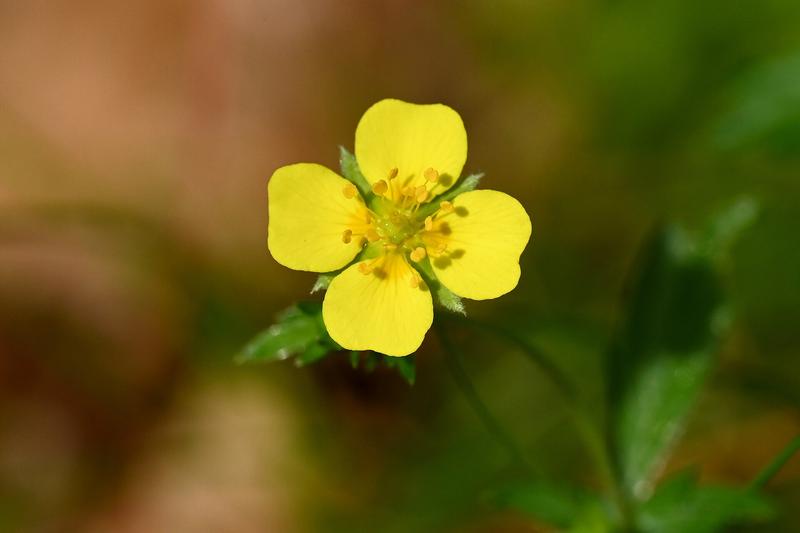
Quick facts
- Watering
- Minimal once established
- Sunlight
- Full sun to partial shade
- Soil
- Well-drained, acidic to neutral
- Humans
- Safe
- Cats
- Safe
- Dogs
- Safe
- Height
- 10–30 cm
- Spread
- 30–60 cm
- Spacing
- 20–30 cm apart
About Tormentil
Tormentil is a charming native British wildflower with bright yellow, four-petalled flowers that appear from late spring through summer. This low-growing perennial forms spreading mats of delicate foliage, making it ideal for wildflower meadows, rock gardens, and naturalised areas. UK gardeners value it for supporting pollinators, particularly bees and butterflies, whilst adding a splash of colour to poor soils where other plants struggle. Its creeping habit and tolerance of acidic conditions make it particularly suited to heathland-style plantings across Britain.
UK fact: Tormentil has been used in traditional British herbal medicine for centuries, with its astringent roots historically employed to treat digestive complaints and as a natural dye, producing red and black colours for wool.
Watering Tormentil
Once established, tormentil requires very little watering and tolerates drought well, making it ideal for low-maintenance wildflower schemes. Water newly planted specimens weekly during their first growing season to help roots establish, particularly during dry spells. In subsequent years, natural rainfall is usually sufficient across most of the UK. Avoid overwatering, as tormentil naturally grows in well-drained, often poor soils and can suffer from root rot in waterlogged conditions.
Sunlight requirements
Tormentil thrives in full sun but tolerates partial shade, particularly in southern England where some afternoon shade prevents stress during hot summers. In northern and western Britain, full sun positions encourage the most prolific flowering. Avoid deep shade under trees, which reduces flowering and causes leggy growth.
Soil and feeding
Tormentil prefers well-drained, acidic to neutral soils with a pH of 4.5-7.0, thriving particularly well in poor, sandy, or gravelly conditions. It naturally occurs on heathland, moorland, and acidic grassland across Britain, so avoid rich, fertile soils which encourage lush foliage at the expense of flowers. Good drainage is essential; incorporate grit or sharp sand into heavy clay soils to improve structure. The plant actually performs better in nutrient-poor conditions, making it perfect for difficult areas where other plants struggle.
Tormentil requires no feeding and actually prefers nutrient-poor conditions that mimic its natural habitat. Applying fertiliser encourages excessive foliage growth, reduces flowering, and can make plants susceptible to disease. If growing in a wildflower meadow, avoid feeding the area entirely to maintain the lean conditions that favour native wildflowers.
Pruning Tormentil
Tormentil requires minimal pruning, though you can trim back spent flowers in late summer to encourage a second flush of blooms. In autumn or early spring, cut back any dead or untidy growth to ground level to maintain a neat appearance and promote fresh growth. If plants become too spreading, trim back the edges in spring to contain them within their allotted space. Avoid heavy pruning during the growing season, as this reduces flowering potential.
Propagating Tormentil
Tormentil is easily propagated by division in spring or autumn, carefully separating the creeping rootstock into sections with healthy shoots and roots. Replant divisions immediately at the same depth, spacing them 20-30 cm apart. Seed propagation is also possible; sow fresh seed in autumn in pots of gritty, acidic compost and leave outdoors over winter for cold stratification. Germination occurs the following spring, though plants grown from seed take 2-3 years to flower. Division is the quickest method for establishing new plants in the UK garden.
Common problems
Tormentil is remarkably trouble-free and rarely suffers from pests or diseases, making it an excellent choice for low-maintenance gardens. In overly rich or waterlogged soils, plants may develop root rot or become susceptible to fungal issues, so ensure good drainage and avoid fertilising. Slugs and snails occasionally nibble young growth in spring, though damage is usually minimal. The main cultural problem is plants becoming too vigorous in favourable conditions and spreading beyond their intended area, which can be managed through division or trimming back the edges in spring.
Spot a problem with your plant? Photograph the affected area using the Loam app and it will suggest the most likely cause and treatment.
Safety
- Humans
- Safe
- Cats
- Safe
- Dogs
- Safe
Toxicity information is for general guidance only.
Seasonal care calendar
Monthly care guide for Tormentil in the UK, based on average conditions.
| Month | Care tasks |
|---|---|
| January | No action needed; plants are dormant. |
| February | No action needed; plants remain dormant. |
| March | Cut back any dead growth from winter. Divide established clumps if needed. |
| April | New growth emerges. Plant out divisions or pot-grown specimens. |
| May | First flowers begin to appear. Water newly planted specimens weekly. |
| June | Peak flowering period. Enjoy the display and observe pollinators visiting. |
| July | Continue flowering. Deadhead spent blooms to encourage further flowers. |
| August | Flowering continues. Trim back spent flowers for a second flush. |
| September | Flowering tapers off. Divide established plants if needed. |
| October | Cut back faded foliage or leave for winter interest. Collect seed if desired. |
| November | Plants begin to die back. Clear away dead growth if preferred. |
| December | No action needed; plants are dormant. |
Frequently asked questions
- Where does tormentil grow best in the UK?
- Tormentil thrives in well-drained, acidic to neutral soils in full sun to partial shade, making it ideal for wildflower meadows, rock gardens, and heathland-style plantings. It performs particularly well in poor, sandy, or gravelly soils across moorland and upland areas of Britain, tolerating exposed conditions that challenge other plants.
- Why isn't my tormentil flowering as much as expected?
- Reduced flowering in tormentil is often caused by overly rich soil, too much shade, or excessive moisture. The Loam app can help you track your soil conditions and light levels, providing personalised advice to optimise flowering based on your specific garden environment and location across the UK.
- Can I grow tormentil in a lawn or meadow?
- Yes, tormentil is excellent for wildflower meadows and can tolerate light foot traffic, though it's not suitable for heavily used lawns. Plant it in areas mown just once or twice a year in late summer and autumn, allowing it to flower and set seed. It spreads naturally through creeping stems, gradually forming attractive flowering patches in acidic grassland.
Got a question about growing Tormentil that isn't covered here? Ask the Garden Advisor in the Loam app. It knows your saved plants and local conditions.
Related plants
This page was compiled with AI assistance and reviewed by our team. .