Tomatillo
Physalis ixocarpa
Vegetables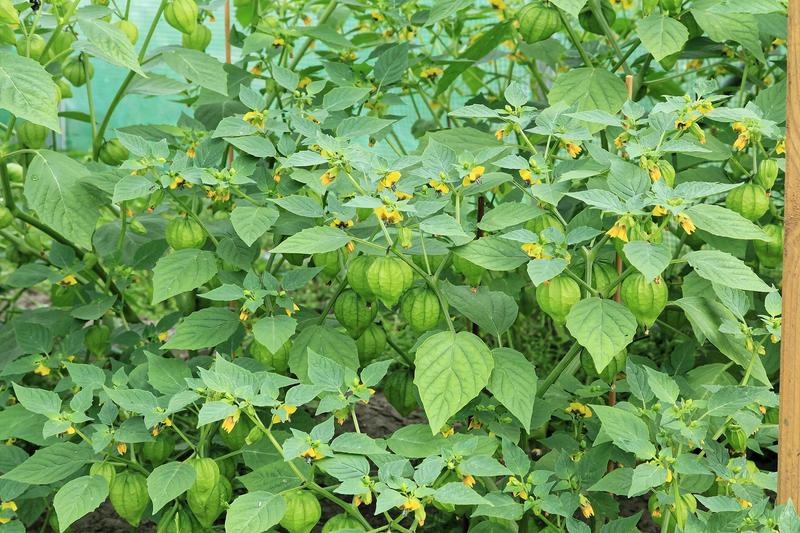
Quick facts
- Watering
- Twice weekly when fruiting
- Sunlight
- Full sun
- Soil
- Well-drained, fertile loam
- Humans
- Safe
- Cats
- Toxic
- Dogs
- Toxic
- Height
- 60–120 cm
- Spread
- 60–90 cm
- Spacing
- 60–75 cm apart
About Tomatillo
Tomatillo is a bushy annual vegetable native to Mexico, producing tangy green or purple fruits enclosed in papery husks. Growing 60–120 cm tall, it resembles its relative the cape gooseberry but produces larger, firmer fruits essential for salsa verde and Mexican cuisine. UK gardeners increasingly grow tomatillos for their unique flavour and prolific cropping under glass or in warm, sheltered spots. The plants require cross-pollination from at least two specimens to set fruit reliably.
UK fact: Tomatillos thrive particularly well in southern England's polytunnels and glasshouses, where the extended warmth allows fruits to ripen fully before autumn frosts, with some growers in Cornwall and Devon successfully cultivating them outdoors in exceptionally warm summers.
Watering Tomatillo
Water regularly to keep soil consistently moist but not waterlogged, particularly during flowering and fruit development. In UK glasshouses, this typically means watering twice weekly during active growth, increasing to daily during hot spells. Reduce watering as fruits mature and husks begin to dry. Mulch around plants to retain moisture and regulate soil temperature in outdoor plantings.
Sunlight requirements
Tomatillos require full sun for at least six hours daily to produce abundant fruit. In the UK, position plants in south-facing glasshouses, polytunnels, or the warmest, most sheltered outdoor spots against south-facing walls. Northern growers should always provide protection under cover to ensure adequate warmth and light levels.
Soil and feeding
Tomatillos prefer fertile, well-drained soil with a pH of 6.0–7.0, enriched with plenty of organic matter. Prepare beds or containers with generous amounts of well-rotted compost or manure before planting. In heavy clay soils, improve drainage by incorporating horticultural grit and raising beds. Container cultivation works well using quality vegetable compost in pots at least 30 cm diameter.
Feed fortnightly with a high-potassium tomato fertiliser once flowering begins, continuing until fruits start to ripen. Prior to flowering, a balanced liquid feed every two weeks supports strong vegetative growth. Avoid excessive nitrogen which promotes leafy growth at the expense of fruit production.
Pruning Tomatillo
Pinch out growing tips when plants reach 90 cm to encourage bushier growth and better fruit production. Remove lower leaves that touch the soil to improve air circulation and reduce disease risk. Tomatillos don't require the extensive side-shooting needed for tomatoes, but removing some interior growth improves light penetration and air flow through the canopy.
Propagating Tomatillo
Sow seeds indoors in March or early April at 18–21°C, transplanting seedlings into individual 9 cm pots once large enough to handle. Harden off gradually over two weeks before planting out after all frost risk has passed in late May or early June. Always grow at least two plants together as tomatillos require cross-pollination between separate plants to set fruit successfully. Seeds saved from ripe fruits germinate readily the following spring.
Common problems
Tomatillos share many pests with tomatoes, including glasshouse whitefly, aphids, and red spider mite in protected cultivation. Blight (Phytophthora infestans) can affect plants in damp conditions, so ensure excellent ventilation and avoid overhead watering. Poor fruit set usually indicates inadequate pollination—grow multiple plants and encourage pollinators into glasshouses, or hand-pollinate flowers with a soft brush. Split husks may occur with irregular watering.
Spot a problem with your plant? Photograph the affected area using the Loam app and it will suggest the most likely cause and treatment.
Safety
- Humans
- Safe
- Cats
-
Toxic
Unripe fruits and all green plant parts contain solanine and are toxic if ingested, causing gastrointestinal upset.
- Dogs
-
Toxic
Unripe fruits and all green plant parts contain solanine and are toxic if ingested, causing vomiting and diarrhoea.
Toxicity information is for general guidance only. If a pet has been exposed to this plant and you are concerned, seek advice from a vet.
Seasonal care calendar
Monthly care guide for Tomatillo in the UK, based on average conditions.
| Month | Care tasks |
|---|---|
| January | No action needed. Plan growing space and order seeds. |
| February | Prepare seed trays and compost ready for sowing. |
| March | Sow seeds indoors at 18–21°C. Pot on seedlings when large enough to handle. |
| April | Continue potting on seedlings. Prepare glasshouse beds with compost and manure. |
| May | Harden off plants gradually. Plant out in glasshouse or polytunnel after mid-month, outdoors only in warmest regions after all frost risk passes. |
| June | Water regularly and begin feeding with balanced fertiliser. Pinch out growing tips at 90 cm. Ensure good ventilation. |
| July | Switch to high-potassium tomato feed as flowering begins. Water consistently, especially during hot weather. Hand-pollinate if necessary. |
| August | Continue feeding and watering. Monitor for pests. Fruits begin to fill husks. Remove lower leaves for air circulation. |
| September | Harvest fruits when husks turn papery and fruits fill them completely. Reduce watering as fruits mature. |
| October | Complete harvest before first frosts. Clear spent plants and compost healthy material. |
| November | No action needed. Clean and disinfect glasshouse ready for next season. |
| December | No action needed. Review season's performance and plan improvements. |
Frequently asked questions
- Can you grow tomatillos outdoors in the UK?
- Tomatillos can be grown outdoors in the warmest parts of southern England and sheltered urban microclimates, but they perform far more reliably in glasshouses or polytunnels throughout the UK. Plant against south-facing walls for maximum warmth and always provide cloche protection if frost threatens. Most UK gardeners achieve best results under cover where consistent warmth ensures full ripening before autumn.
- Why are my tomatillo flowers not producing fruit?
- Tomatillos require cross-pollination between at least two separate plants to set fruit successfully. If you're only growing one plant or pollinator access is limited in your glasshouse, fruits won't develop. The Loam app can help you track multiple plants and set reminders for hand-pollination during flowering to ensure a good crop.
- When should I harvest tomatillos?
- Harvest tomatillos when the papery husk turns from green to tan or brown and the fruit completely fills it, typically 70–100 days after planting. The fruit should feel firm and may split the husk slightly. For salsa verde, pick when husks are still slightly green; for sweeter flavour, wait until husks are fully dry and fruits may have dropped to the ground.
Got a question about growing Tomatillo that isn't covered here? Ask the Garden Advisor in the Loam app. It knows your saved plants and local conditions.
Related plants
This page was compiled with AI assistance and reviewed by our team. .