Mexican Sunflower
Tithonia rotundifolia
Annuals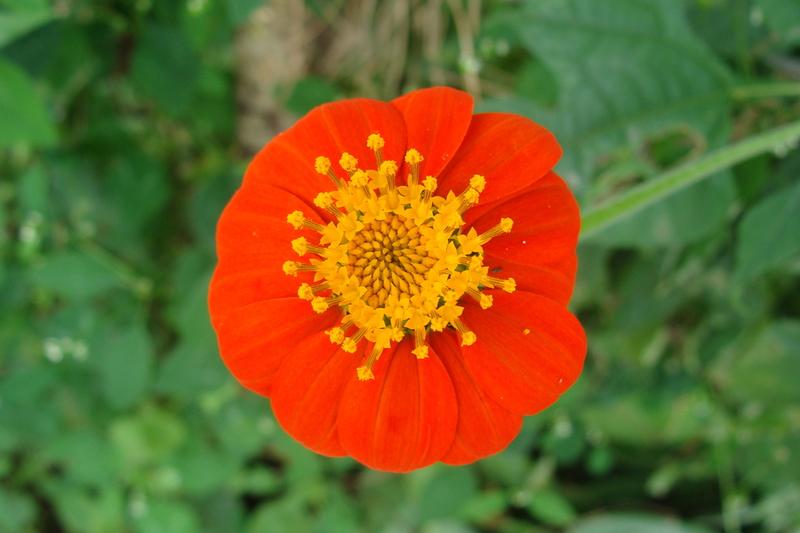
Quick facts
- Watering
- Weekly once established
- Sunlight
- Full sun
- Soil
- Well-drained, moderately fertile
- Humans
- Unknown
- Cats
- Unknown
- Dogs
- Unknown
- Height
- 120–200 cm
- Spread
- 45–60 cm
- Spacing
- 45–60 cm apart
About Mexican Sunflower
Mexican Sunflower is a vigorous half-hardy annual native to Central America, prized for its spectacular orange-red daisy-like blooms that can reach 7cm across. Growing up to 2 metres tall with velvety, heart-shaped leaves, this sun-loving plant creates a dramatic statement in British borders from midsummer through to the first frosts. UK gardeners value it as an exceptional pollinator plant, attracting butterflies, bees, and hoverflies in abundance, whilst also providing long-lasting cut flowers.
UK fact: Mexican Sunflower has become increasingly popular in British wildlife gardens and was featured in the RHS Greening Grey Britain campaign for its exceptional value to pollinators, particularly attracting Red Admiral and Painted Lady butterflies during their late summer migrations across the UK.
Watering Mexican Sunflower
Water newly planted Mexican Sunflowers regularly until established, ensuring the soil doesn't dry out completely during the first few weeks. Once established, plants are remarkably drought-tolerant and typically need watering only during prolonged dry spells, approximately once weekly in hot weather. Overwatering can lead to root rot and reduced flowering, so allow the top few centimetres of soil to dry between waterings. Container-grown specimens require more frequent watering, potentially every 2-3 days during hot summer weather.
Sunlight requirements
Mexican Sunflower requires a position in full sun to perform at its best, needing at least six hours of direct sunlight daily. In the UK, plant in a south or west-facing border where it will receive maximum light and warmth. Whilst it tolerates partial shade, flowering will be significantly reduced and stems may become weak and leggy in insufficient light.
Soil and feeding
Mexican Sunflower thrives in well-drained soil of average to moderate fertility, tolerating a wide pH range from slightly acidic to slightly alkaline (pH 6.0-7.5). Avoid overly rich soils, as excessive nitrogen promotes lush foliage at the expense of flowers and can cause weak, floppy stems requiring staking. Heavy clay soils should be improved with grit or sharp sand to enhance drainage, whilst very poor soils benefit from a light incorporation of well-rotted compost before planting.
Mexican Sunflower requires minimal feeding and performs best in moderately fertile conditions. If growing in average garden soil, no supplementary feeding is necessary; overfed plants produce excessive foliage with fewer flowers. Container-grown plants benefit from a fortnightly application of a balanced liquid fertiliser at half strength during the flowering period from July to September.
Pruning Mexican Sunflower
Deadhead spent blooms regularly throughout the flowering season to encourage continuous production of new flowers and maintain a tidy appearance. Pinch out the growing tips of young plants when they reach 30-40cm tall to promote bushier growth and prevent legginess, though this delays flowering by approximately two weeks. Tall varieties may require staking in exposed positions; insert supports early to avoid root damage. Remove entire plants after the first hard frost blackens the foliage, composting healthy material.
Propagating Mexican Sunflower
Mexican Sunflower is easily grown from seed sown under cover in March or April, or directly outdoors after the last frost in late May. For earlier flowering, sow seeds individually in 7.5cm pots at 18-21°C; germination typically occurs within 7-14 days. Harden off young plants gradually over 10-14 days before planting out after all risk of frost has passed, spacing 45-60cm apart. Direct sowing outdoors in late May produces slightly later but often sturdier plants; thin seedlings to the appropriate spacing once large enough to handle.
Common problems
Mexican Sunflower is remarkably trouble-free in UK gardens, with few serious pest or disease issues. Aphids occasionally colonise young shoot tips and flower buds during warm weather; these can be controlled by encouraging natural predators or washing off with a strong jet of water. Slugs and snails may damage young seedlings in spring, requiring protection with organic pellets or barriers until plants are established. Powdery mildew can occasionally affect foliage during humid conditions in late summer, though this rarely impacts overall plant health or flowering performance.
Spot a problem with your plant? Photograph the affected area using the Loam app and it will suggest the most likely cause and treatment.
Safety
- Humans
-
Unknown
No confirmed toxicity data available. As with all plants, avoid ingestion and wash hands after handling.
- Cats
-
Unknown
No confirmed toxicity data available for cats. Monitor pets and contact a vet if ingestion occurs.
- Dogs
-
Unknown
No confirmed toxicity data available for dogs. Monitor pets and contact a vet if ingestion occurs.
Toxicity information is for general guidance only. If a person or pet has been exposed to this plant and you are concerned, seek advice from a medical professional or vet.
Seasonal care calendar
Monthly care guide for Mexican Sunflower in the UK, based on average conditions.
| Month | Care tasks |
|---|---|
| January | No action needed. |
| February | Order seeds for spring sowing. |
| March | Sow seeds indoors at 18-21°C in individual pots. |
| April | Continue sowing indoors. Pot on early sowings if needed. Begin hardening off late April sowings. |
| May | Harden off and plant out after last frost. Direct sow outdoors from late May. |
| June | Pinch out growing tips to encourage bushier growth. Water regularly until established. Stake tall varieties. |
| July | Begin deadheading as first flowers fade. Water during dry spells. Feed container plants fortnightly. |
| August | Continue deadheading regularly. Water containers frequently. Enjoy peak flowering and pollinator activity. |
| September | Maintain deadheading. Collect seed from selected flowers if desired. Continue feeding containers. |
| October | Flowering continues until first frost. Remove plants once blackened by frost. |
| November | Clear away frosted plants and compost healthy material. |
| December | No action needed. |
Frequently asked questions
- When should I sow Mexican Sunflower seeds in the UK?
- Sow Mexican Sunflower seeds indoors in March or April at 18-21°C for earlier flowering, or direct sow outdoors in late May after all risk of frost has passed. Indoor-sown plants should be hardened off gradually before planting out in late May or early June, whilst direct-sown seeds produce slightly later but often sturdier plants.
- Why isn't my Mexican Sunflower flowering well?
- Poor flowering is usually caused by insufficient sunlight, overly rich soil, or lack of deadheading. The Loam app can help diagnose specific issues based on your growing conditions and provide personalised care reminders to maximise flowering throughout summer.
- Do Mexican Sunflowers need staking in UK gardens?
- Taller varieties often require staking in exposed or windy positions, particularly in northern UK gardens. Insert supports early when plants are 30-40cm tall to avoid damaging roots later. Pinching out growing tips when young encourages bushier, more self-supporting growth, though this delays flowering by approximately two weeks.
Got a question about growing Mexican Sunflower that isn't covered here? Ask the Garden Advisor in the Loam app. It knows your saved plants and local conditions.
Related plants
This page was compiled with AI assistance and reviewed by our team. .