Rudbeckia
Rudbeckia fulgida
Perennials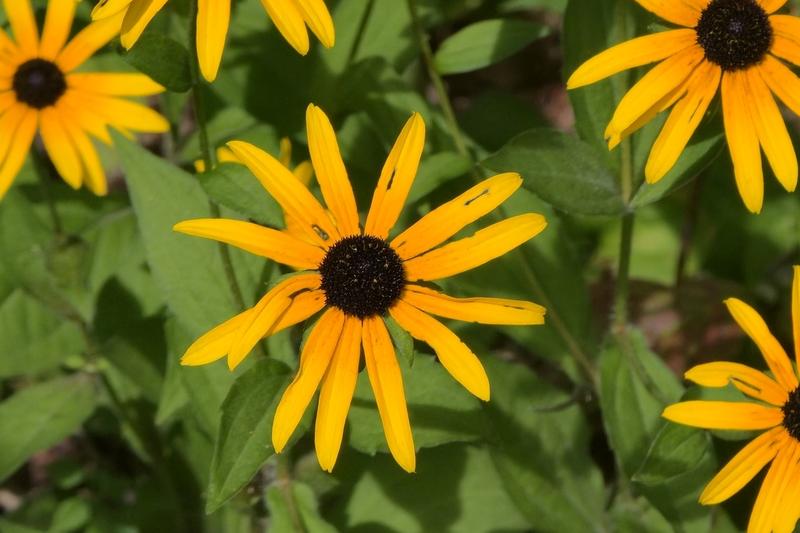
Quick facts
- Watering
- Weekly during dry spells
- Sunlight
- Full sun to partial shade
- Soil
- Moist, well-drained, moderately fertile
- Humans
- Safe
- Cats
- Safe
- Dogs
- Safe
- Height
- 60–90 cm
- Spread
- 45–60 cm
- Spacing
- 45–60 cm apart
- RHS recognition
- Award of Garden Merit
About Rudbeckia
Rudbeckia fulgida is a cheerful North American perennial beloved by UK gardeners for its golden-yellow daisy flowers with distinctive dark centres. Flowering prolifically from July through to October, it brings reliable late-season colour to borders when many other perennials are fading. Its robust, clump-forming habit and tolerance of British weather make it an excellent choice for cottage gardens, prairie-style plantings, and wildlife borders. The flowers are magnets for bees, butterflies, and other pollinators, whilst goldfinches adore the seedheads in autumn.
UK fact: Rudbeckia fulgida var. sullivantii 'Goldsturm' holds the RHS Award of Garden Merit and has been a staple of British gardens since the 1960s, performing exceptionally well in the UK's cool, moist climate where it often outperforms its native American conditions.
Watering Rudbeckia
Once established, Rudbeckia is reasonably drought-tolerant but performs best with consistent moisture during the growing season. In typical British summers, rainfall is usually sufficient, but water weekly during dry spells, particularly from June to September when plants are flowering. Apply water at the base rather than overhead to reduce the risk of powdery mildew. In heavy clay soils prone to waterlogging, ensure good drainage to prevent root rot over winter.
Sunlight requirements
Plant in a position receiving at least six hours of direct sunlight daily for the best flowering performance. In the UK, south or west-facing borders are ideal, though Rudbeckia is more tolerant of light shade than many prairie perennials. In hotter southern regions, some afternoon shade can help prevent stress during occasional heatwaves.
Soil and feeding
This adaptable perennial tolerates a wide range of soil conditions, from clay to sandy loam, provided drainage is adequate. It prefers a neutral to slightly acidic pH of 6.0-7.0 but will grow in slightly alkaline conditions. Avoid overly rich soil, which can produce lush foliage at the expense of flowers and make plants prone to flopping. In heavy clay, incorporate organic matter or grit to improve drainage, whilst sandy soils benefit from compost to increase moisture retention.
Feed established clumps with a general-purpose granular fertiliser such as blood, fish and bone in early spring as new growth emerges. A single application is usually sufficient for the season. Avoid high-nitrogen feeds which promote excessive foliage growth and reduce flowering, potentially requiring staking.
Pruning Rudbeckia
Remove spent flowers throughout the summer to encourage continuous blooming into autumn, though you may wish to leave later flowers to develop seedheads for winter interest and bird food. The dark seedheads are attractive when frosted and provide valuable food for goldfinches. Cut all stems back to ground level in February or March before new growth begins, removing old foliage to tidy the plant and reduce disease carryover. Divide congested clumps every three to four years in spring to maintain vigour.
Propagating Rudbeckia
Division is the easiest and most reliable method, producing flowering plants quickly. Lift and divide congested clumps every three to four years in March or April, or in September if conditions are mild and moist. Rudbeckia can also be grown from seed sown in pots in a cold frame in spring, though cultivars may not come true to type. Basal cuttings taken in spring offer another option for increasing stock of named varieties.
Common problems
Rudbeckia is generally trouble-free but can occasionally suffer from powdery mildew, particularly in dry conditions or where air circulation is poor; ensure adequate spacing and water at the base of plants. Slugs and snails may damage young spring growth, so protect emerging shoots with organic slug pellets or barriers. Aphids sometimes colonise flower buds and stems in early summer but rarely cause serious harm and can be controlled by encouraging natural predators or washing off with water. In very wet winters, crown rot can occur in poorly drained soils.
Spot a problem with your plant? Photograph the affected area using the Loam app and it will suggest the most likely cause and treatment.
Safety
- Humans
- Safe
- Cats
- Safe
- Dogs
- Safe
Toxicity information is for general guidance only.
Seasonal care calendar
Monthly care guide for Rudbeckia in the UK, based on average conditions.
| Month | Care tasks |
|---|---|
| January | No action needed. Leave seedheads standing for wildlife and winter structure. |
| February | Cut back old stems to ground level before new growth emerges. Apply a mulch of compost around the crown. |
| March | Apply a balanced fertiliser as new shoots appear. Divide congested clumps if needed. Watch for slug damage on emerging foliage. |
| April | Continue slug protection. Water during dry spells to support strong growth. Plant out new divisions or pot-grown plants. |
| May | Water regularly if rainfall is low. Check for aphids on developing flower buds and remove by hand or with water spray. |
| June | Ensure consistent moisture as flower buds develop. Stake tall varieties if necessary in exposed positions. |
| July | Enjoy the first flowers. Begin deadheading spent blooms regularly to prolong the display into autumn. |
| August | Continue deadheading and water weekly during dry periods. Peak flowering period for most varieties. |
| September | Deadhead for continued flowering or leave later blooms to set seed for birds. Divide plants if needed in mild, moist conditions. |
| October | Flowering continues into early autumn. Leave seedheads to develop for winter interest and to feed goldfinches. |
| November | Allow stems and seedheads to stand through winter for structure and wildlife value. |
| December | No action needed. Seedheads provide food for birds and look attractive when frosted. |
Frequently asked questions
- When should I cut back Rudbeckia?
- Leave stems and seedheads standing through winter for structure and wildlife, then cut everything back to ground level in late February or early March before new growth begins.
- Why does my Rudbeckia have white powder on the leaves?
- This is powdery mildew, a fungal disease that occurs in dry conditions or where air circulation is poor. Ensure adequate spacing between plants, water at the base rather than overhead, and remove affected leaves. If you're unsure about leaf problems or need help diagnosing plant issues, the Loam app can identify diseases from photos and provide personalised treatment advice.
- How do I divide Rudbeckia?
- Lift and divide established clumps in early spring (March-April) or autumn (September) every three to four years. Use two forks back-to-back or a spade to split the rootball into sections, discarding any woody central portions, then replant divisions immediately.
Got a question about growing Rudbeckia that isn't covered here? Ask the Garden Advisor in the Loam app. It knows your saved plants and local conditions.
Related plants
This page was compiled with AI assistance and reviewed by our team. .