Coreopsis
Coreopsis verticillata
Perennials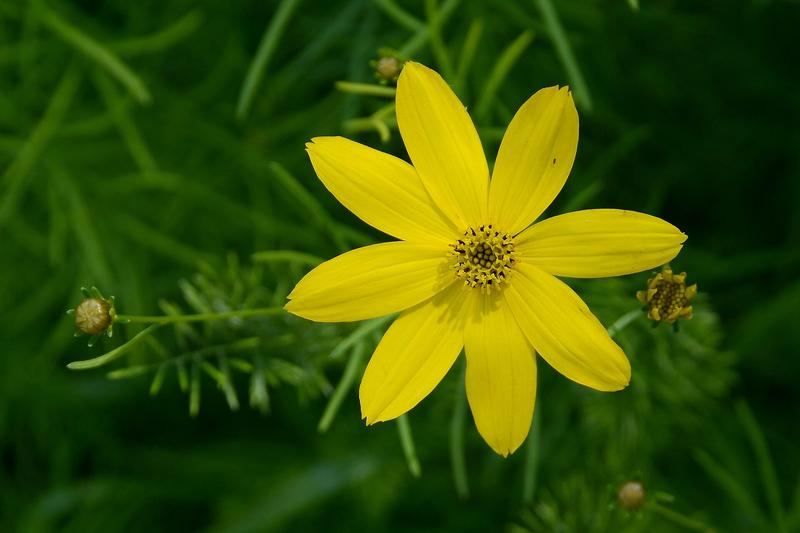
Quick facts
- Watering
- Weekly when establishing
- Sunlight
- Full sun
- Soil
- Well-drained, moderately fertile
- Humans
- Safe
- Cats
- Safe
- Dogs
- Safe
- Height
- 40–60 cm
- Spread
- 30–45 cm
- Spacing
- 30–40 cm apart
- RHS recognition
- Award of Garden Merit
About Coreopsis
Coreopsis verticillata is a cheerful North American perennial beloved by UK gardeners for its profuse golden-yellow daisy-like flowers and delicate, thread-like foliage. Blooming from early summer through to autumn, this hardy plant brings months of colour to borders, cottage gardens, and wildlife-friendly plantings. Its drought tolerance once established and low-maintenance nature make it an excellent choice for busy gardeners seeking reliable, long-flowering perennials. The fine-textured leaves create an airy, feathery effect that contrasts beautifully with bolder foliage plants.
UK fact: Coreopsis verticillata 'Moonbeam' holds the prestigious RHS Award of Garden Merit and has become one of the most popular cultivars in British gardens since its introduction, prized for its pale lemon-yellow flowers that perform exceptionally well in the UK's cooler summers.
Watering Coreopsis
Water newly planted coreopsis regularly during the first growing season to establish a deep root system, typically once or twice weekly during dry spells. Once established, this drought-tolerant perennial requires minimal watering and can survive on rainfall alone in most UK regions. During prolonged summer droughts, water deeply every 10-14 days rather than frequent shallow watering. Avoid overhead watering to reduce the risk of fungal diseases.
Sunlight requirements
Coreopsis verticillata thrives in full sun and requires at least six hours of direct sunlight daily for optimal flowering. In the UK, a south or west-facing position is ideal, though it will tolerate some light afternoon shade in warmer southern regions. Plants grown in too much shade become leggy and produce fewer flowers.
Soil and feeding
Coreopsis verticillata performs best in well-drained soil of average to moderate fertility and is remarkably adaptable to different soil types. It tolerates sandy, loamy, or even slightly clay soils provided drainage is good, as waterlogged conditions in winter can cause root rot. A neutral to slightly alkaline pH of 6.5-7.5 is ideal, though it tolerates a range. Avoid overly rich soils, which promote excessive foliage growth at the expense of flowers.
Coreopsis requires minimal feeding and actually performs better in moderately fertile rather than rich soils. Apply a light dressing of general-purpose fertiliser or well-rotted compost in early spring as new growth emerges. Avoid high-nitrogen feeds which encourage leafy growth and reduce flowering.
Pruning Coreopsis
Deadhead spent flowers regularly throughout summer to prolong blooming and maintain a tidy appearance, though this isn't essential as coreopsis is naturally free-flowering. In mid-summer, if plants become straggly or flowering diminishes, cut back by one-third to encourage fresh growth and a second flush of flowers. Cut all growth back to ground level in late autumn or early spring before new growth begins. Division every 3-4 years in spring rejuvenates clumps and maintains vigour.
Propagating Coreopsis
Coreopsis verticillata is easily propagated by division in spring as new growth emerges or in early autumn. Lift established clumps and tease apart into sections, ensuring each division has healthy roots and several shoots, then replant immediately. Basal cuttings can be taken in spring from new shoots at the base of the plant, rooted in gritty compost in a cold frame. Plants can also be grown from seed sown in spring, though cultivars may not come true to type and division is more reliable for named varieties.
Common problems
Coreopsis verticillata is generally trouble-free and resistant to most pests and diseases. Slugs and snails may damage young spring growth, so protect emerging shoots with organic slug pellets or barriers. In humid conditions or with overhead watering, powdery mildew can occasionally affect foliage, particularly in late summer; ensure good air circulation and avoid wetting leaves. Root rot may occur in poorly drained or waterlogged soils during winter. Plants may self-seed moderately, though seedlings are easily removed if unwanted.
Spot a problem with your plant? Photograph the affected area using the Loam app and it will suggest the most likely cause and treatment.
Safety
- Humans
- Safe
- Cats
- Safe
- Dogs
- Safe
Toxicity information is for general guidance only.
Seasonal care calendar
Monthly care guide for Coreopsis in the UK, based on average conditions.
| Month | Care tasks |
|---|---|
| January | No action needed; plants are fully dormant. |
| February | No action needed; plants remain dormant. |
| March | Cut back old growth to ground level if not done in autumn. Apply light dressing of general-purpose fertiliser. Divide established clumps if required. |
| April | New growth emerges; protect from slugs and snails. Plant new specimens or divisions. Water during dry spells. |
| May | Continue watering newly planted specimens. Apply mulch around plants to suppress weeds and retain moisture. |
| June | Flowering begins. Deadhead spent blooms regularly to prolong display. Water during dry periods. |
| July | Peak flowering period. Continue deadheading. Cut back by one-third if plants become straggly to encourage fresh growth. |
| August | Continue deadheading to maintain flowering. Water established plants during prolonged drought. |
| September | Flowering continues into early autumn. Divide congested clumps if required. Reduce watering as temperatures cool. |
| October | Flowering finishes. Cut back spent growth to ground level or leave for winter structure and wildlife habitat. |
| November | Complete cutting back if not already done. Clear away debris to reduce slug and snail hiding places. |
| December | No action needed; plants are dormant. |
Frequently asked questions
- Why is my coreopsis not flowering well?
- Insufficient sunlight is the most common cause; coreopsis needs at least six hours of direct sun daily. Overly rich soil or excessive nitrogen fertiliser promotes leafy growth at the expense of flowers. Ensure plants are in well-drained soil in full sun and avoid over-feeding. Deadheading regularly and cutting back straggly growth in mid-summer encourages more blooms.
- How do I know when to water my coreopsis?
- Established coreopsis is drought-tolerant and typically needs watering only during prolonged dry spells. The Loam app can send personalised watering reminders based on your local weather conditions and soil type, taking the guesswork out of when to water and helping prevent both under and over-watering.
- Can I grow coreopsis in containers?
- Yes, Coreopsis verticillata grows well in containers provided they have excellent drainage. Use a loam-based compost such as John Innes No. 2 mixed with grit, and ensure pots have drainage holes. Container plants require more frequent watering than those in borders, typically 2-3 times weekly in summer, and benefit from occasional liquid feeding during the flowering season.
Got a question about growing Coreopsis that isn't covered here? Ask the Garden Advisor in the Loam app. It knows your saved plants and local conditions.
Related plants
This page was compiled with AI assistance and reviewed by our team. .