Gaillardia
Gaillardia x grandiflora
Perennials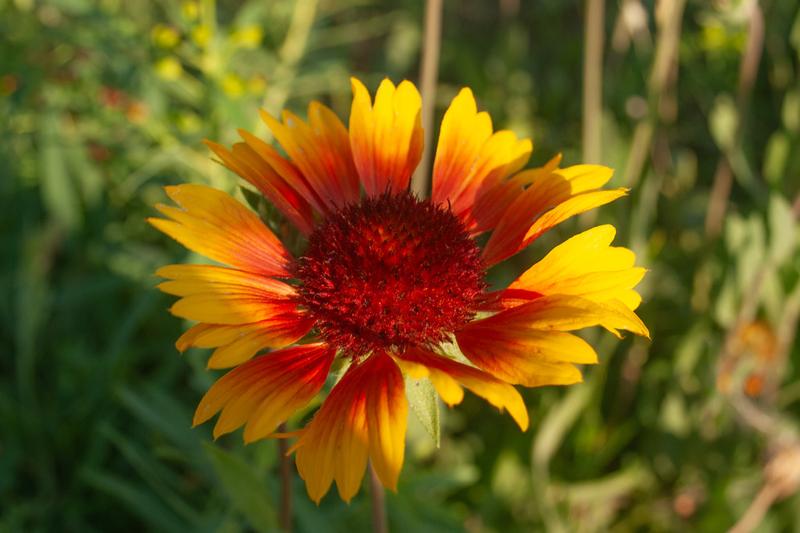
Quick facts
- Watering
- Weekly when establishing, then minimal
- Sunlight
- Full sun
- Soil
- Well-drained, sandy or gravelly
- Humans
- Safe
- Cats
- Safe
- Dogs
- Safe
- Height
- 30–60 cm
- Spread
- 30–45 cm
- Spacing
- 30–40 cm apart
- RHS recognition
- Award of Garden Merit
About Gaillardia
Gaillardia is a vibrant perennial renowned for its daisy-like flowers in fiery shades of red, orange, and yellow, often with contrasting bands of colour. Native to North America, this hardy plant has become a favourite in UK cottage gardens and prairie-style borders for its long flowering season from early summer through to autumn. UK gardeners value Gaillardia for its drought tolerance, ability to thrive in poor soils, and exceptional performance in sunny borders where it attracts bees and butterflies. The cheerful blooms make excellent cut flowers and the plant requires minimal maintenance once established.
UK fact: Several Gaillardia cultivars have received the RHS Award of Garden Merit, including 'Kobold' and 'Burgunder', recognising their reliable performance in British gardens and their ability to flower prolifically even during cool, damp UK summers.
Watering Gaillardia
Water newly planted Gaillardia regularly during the first growing season to establish a deep root system, providing approximately 2.5 cm of water weekly during dry spells. Once established, these drought-tolerant perennials require minimal watering and actually perform better in drier conditions. Overwatering, particularly in heavy soils or during wet UK winters, can lead to root rot and crown decay. Allow the soil to dry out between waterings and avoid overhead irrigation which can encourage fungal diseases.
Sunlight requirements
Gaillardia requires full sun to perform at its best, needing at least six hours of direct sunlight daily. In the UK, position plants in south or west-facing borders where they'll receive maximum light exposure. Plants grown in shade or partial shade will produce fewer flowers and may develop weak, leggy growth prone to flopping.
Soil and feeding
Gaillardia thrives in poor to moderately fertile, well-drained soil and actually flowers more prolifically in lean conditions. Sandy, gravelly, or chalky soils with a pH of 6.0-7.5 are ideal, and the plant tolerates alkaline conditions well. Heavy clay soils must be amended with grit or sharp sand to improve drainage, as waterlogged conditions, particularly in winter, are the primary cause of plant failure in the UK. Avoid rich, moisture-retentive soils which promote lush foliage at the expense of flowers and reduce winter hardiness.
Gaillardia requires minimal feeding and actually performs better in lean soils. A light application of general-purpose fertiliser in early spring is sufficient, or incorporate a small amount of well-rotted compost around the base of established plants. Avoid high-nitrogen feeds which promote excessive foliage growth and reduce flowering.
Pruning Gaillardia
Deadhead spent flowers regularly throughout the summer to prolong the flowering season and maintain a tidy appearance, cutting back to the nearest leaf or side bud. In late autumn after flowering has finished, leave the seed heads intact to provide winter interest and food for birds, then cut back all growth to ground level in late February or early March before new growth emerges. Divide congested clumps every 2-3 years in spring to maintain vigour, as Gaillardia can be short-lived and benefits from regular rejuvenation.
Propagating Gaillardia
Gaillardia is easily propagated by division in spring, lifting established clumps and separating them into sections with healthy roots and shoots. Seed sowing is also straightforward: sow seeds in modules or trays in a cold frame in spring, barely covering them as they need light to germinate, with seedlings appearing in 2-3 weeks. Root cuttings can be taken in late autumn or winter, cutting 5-8 cm sections of thick roots and inserting them vertically in compost. Plants grown from seed may not come true to type if they are named cultivars, so division is preferable for maintaining specific varieties.
Common problems
Gaillardia is generally trouble-free but can suffer from powdery mildew in humid conditions or when plants are stressed, particularly in late summer. Aphids may colonise young shoots and flower buds in spring, though these are easily controlled with insecticidal soap or by encouraging natural predators. The most serious issue in UK gardens is crown rot and root rot caused by poor drainage and wet winter conditions, which can kill plants outright. Slugs and snails may damage emerging shoots in spring, whilst aster yellows (a phytoplasma disease) can occasionally cause distorted growth and discoloured flowers, requiring affected plants to be removed and destroyed.
Spot a problem with your plant? Photograph the affected area using the Loam app and it will suggest the most likely cause and treatment.
Safety
- Humans
- Safe
- Cats
- Safe
- Dogs
- Safe
Toxicity information is for general guidance only.
Seasonal care calendar
Monthly care guide for Gaillardia in the UK, based on average conditions.
| Month | Care tasks |
|---|---|
| January | No action needed; plants are dormant. |
| February | Cut back old growth to ground level in late February before new shoots emerge. |
| March | Apply light general-purpose fertiliser and divide congested clumps. Sow seeds in modules under cover. |
| April | Plant out new divisions or purchased plants. Protect emerging shoots from slugs and snails. |
| May | Water newly planted specimens regularly. First flowers may appear towards month end. |
| June | Begin deadheading spent flowers to prolong blooming. Monitor for aphids on flower buds. |
| July | Continue regular deadheading. Plants are at peak flowering. Water during prolonged dry spells. |
| August | Maintain deadheading regime. Watch for powdery mildew in humid weather. |
| September | Continue deadheading to extend flowering into autumn. Collect seed if desired. |
| October | Allow final flowers to set seed for birds. Reduce watering as growth slows. |
| November | Leave seed heads and foliage intact for winter interest and wildlife value. |
| December | No action needed; plants are dormant. |
Frequently asked questions
- Why is my Gaillardia dying in winter?
- Gaillardia is highly susceptible to crown rot in wet winter conditions, particularly in heavy clay soils. Ensure excellent drainage by incorporating grit into the planting area and avoid winter waterlogging. Plant in raised beds or on slopes if your soil is heavy, and never mulch directly against the crown as this traps moisture.
- How can I tell if my Gaillardia needs dividing?
- Signs include reduced flowering, a dead centre with growth only around the edges, or the clump becoming congested. The Loam app can track your plant's age and send reminders when division is due, plus provide step-by-step guidance with photos to help you divide successfully.
- Will Gaillardia flower in its first year?
- Yes, Gaillardia typically flowers in its first year, especially if planted in spring as a young plant. Seed-sown plants may flower in their first season if started early indoors, though they'll establish better and flower more prolifically in their second year. Deadheading encourages continuous blooming from June through September.
Got a question about growing Gaillardia that isn't covered here? Ask the Garden Advisor in the Loam app. It knows your saved plants and local conditions.
Related plants
This page was compiled with AI assistance and reviewed by our team. .