Helenium
Helenium autumnale
Perennials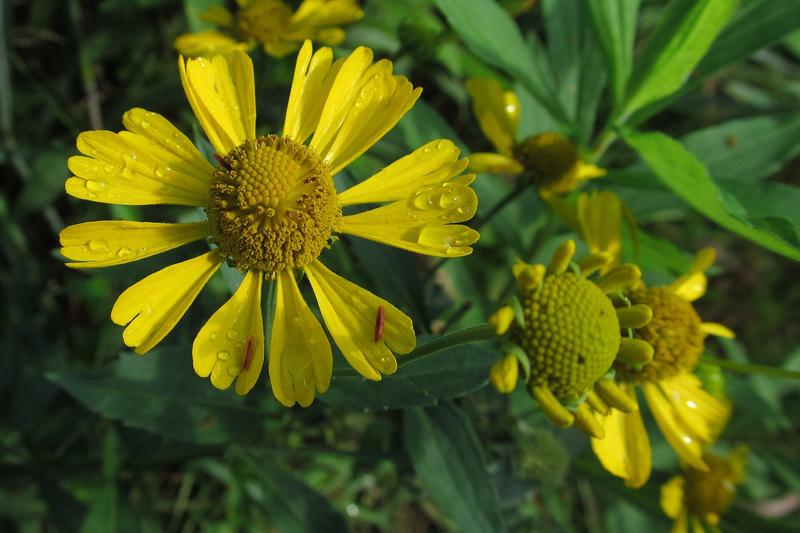
Quick facts
- Watering
- Weekly during dry spells
- Sunlight
- Full sun
- Soil
- Moist, fertile, well-drained
- Humans
- Safe
- Cats
- Safe
- Dogs
- Safe
- Height
- 60–150 cm
- Spread
- 40–60 cm
- Spacing
- 45–60 cm apart
- RHS recognition
- Award of Garden Merit
About Helenium
Helenium is a vibrant herbaceous perennial native to North America, prized for its daisy-like flowers in warm shades of yellow, orange, red, and bronze. Blooming from midsummer through autumn, it provides essential late-season colour when many other perennials have finished. UK gardeners value helenium for its reliability in borders, its ability to attract pollinators, and its tolerance of heavier soils. The prominent central cone and reflexed petals create a distinctive appearance that brings warmth to cottage gardens and prairie-style plantings alike.
UK fact: Several helenium cultivars hold the RHS Award of Garden Merit, including 'Moerheim Beauty' and 'Sahin's Early Flowerer', recognising their exceptional performance in British gardens and their ability to thrive in our unpredictable climate.
Watering Helenium
Water helenium regularly during the growing season, particularly in dry weather, as it prefers consistently moist soil. Established plants typically need watering once or twice weekly during summer dry spells, though our typical British rainfall often provides sufficient moisture in spring and autumn. Avoid waterlogging, but don't allow the soil to dry out completely, as this can stress plants and reduce flowering. Mulching helps retain moisture and reduces watering frequency.
Sunlight requirements
Helenium performs best in full sun, requiring at least six hours of direct sunlight daily to produce abundant flowers and maintain sturdy stems. In the UK, a south or west-facing border is ideal. Plants grown in partial shade tend to become leggy and produce fewer blooms, though they may tolerate light afternoon shade in southern counties.
Soil and feeding
Helenium thrives in fertile, moisture-retentive soil that doesn't dry out in summer but drains well enough to avoid waterlogging in winter. It tolerates heavier clay soils better than many perennials, making it ideal for typical British garden conditions. Improve poor soils with organic matter such as well-rotted compost or manure before planting. The ideal pH is neutral to slightly acidic (6.0-7.0), though helenium is fairly adaptable.
Apply a balanced general-purpose fertiliser or well-rotted compost in early spring to support vigorous growth and abundant flowering. A second feed with a potassium-rich fertiliser in early summer encourages better blooms. Avoid excessive nitrogen, which promotes leafy growth at the expense of flowers.
Pruning Helenium
Cut back flowering stems to ground level in late autumn or early spring once foliage has died back. Deadheading spent blooms throughout the flowering season encourages further flushes and extends the display into October. For taller varieties, consider the 'Chelsea chop' in late May, cutting back stems by one-third to one-half to produce bushier plants with more flowers and reduce the need for staking, though this delays flowering slightly.
Propagating Helenium
Helenium is easily propagated by division in spring (March to April) or autumn, which also rejuvenates older clumps that may die out in the centre. Lift established plants and divide them into sections with healthy roots and shoots, replanting immediately at the same depth. Division every three to four years maintains vigour and flowering performance. Helenium can also be grown from seed sown in spring, though cultivars may not come true to type and division of named varieties is more reliable.
Common problems
Helenium is generally trouble-free but can suffer from slugs and snails attacking young spring growth, requiring vigilance and control measures in wet springs. Powdery mildew may appear on foliage in dry summers or where air circulation is poor, though it rarely affects overall plant health. Aphids occasionally colonise stems and flower buds but are easily controlled. Older clumps may die out in the centre if not divided regularly, and plants may require staking in exposed sites or rich soils that promote soft, tall growth.
Spot a problem with your plant? Photograph the affected area using the Loam app and it will suggest the most likely cause and treatment.
Safety
- Humans
- Safe
- Cats
- Safe
- Dogs
- Safe
Toxicity information is for general guidance only.
Seasonal care calendar
Monthly care guide for Helenium in the UK, based on average conditions.
| Month | Care tasks |
|---|---|
| January | No action needed; plants are fully dormant. |
| February | Clear away any remaining dead stems if not done in autumn. |
| March | Apply mulch and balanced fertiliser as new growth emerges. Divide established clumps if needed. |
| April | Watch for slug damage on emerging shoots and protect as necessary. Water if conditions are dry. |
| May | Consider the Chelsea chop for bushier growth. Apply second feed with potassium-rich fertiliser. |
| June | Water regularly during dry spells. Stake taller varieties if necessary. |
| July | Flowering begins on early varieties. Deadhead spent blooms to encourage more flowers. |
| August | Peak flowering period. Continue deadheading and watering during dry weather. |
| September | Enjoy late-season blooms. Continue deadheading to extend flowering into autumn. |
| October | Flowering finishes. Divide plants if needed or leave cutting back until spring. |
| November | Cut back dead stems to ground level or leave for winter structure and wildlife. |
| December | No action needed; plants are dormant. |
Frequently asked questions
- Why is my helenium flopping over and do I need to stake it?
- Helenium flops when grown in overly rich soil, shade, or exposed windy sites. Prevent this by growing in full sun, avoiding excessive nitrogen fertiliser, and trying the Chelsea chop in late May to produce shorter, sturdier stems. Taller varieties may still need support with grow-through hoops or linking stakes installed in spring.
- When should I divide my helenium and how often?
- Divide helenium every three to four years in spring (March-April) or autumn to maintain vigour and prevent the centre dying out. The Loam app can remind you when division is due based on your planting date and send notifications for the optimal timing in your region.
- Will helenium grow in clay soil?
- Yes, helenium tolerates heavy clay soil better than many perennials, making it excellent for typical British gardens. Improve drainage and fertility by incorporating organic matter before planting, and ensure the site doesn't become waterlogged in winter, which can cause root rot.
Got a question about growing Helenium that isn't covered here? Ask the Garden Advisor in the Loam app. It knows your saved plants and local conditions.
Related plants
This page was compiled with AI assistance and reviewed by our team. .