Small-leaved Lime
Tilia cordata
Trees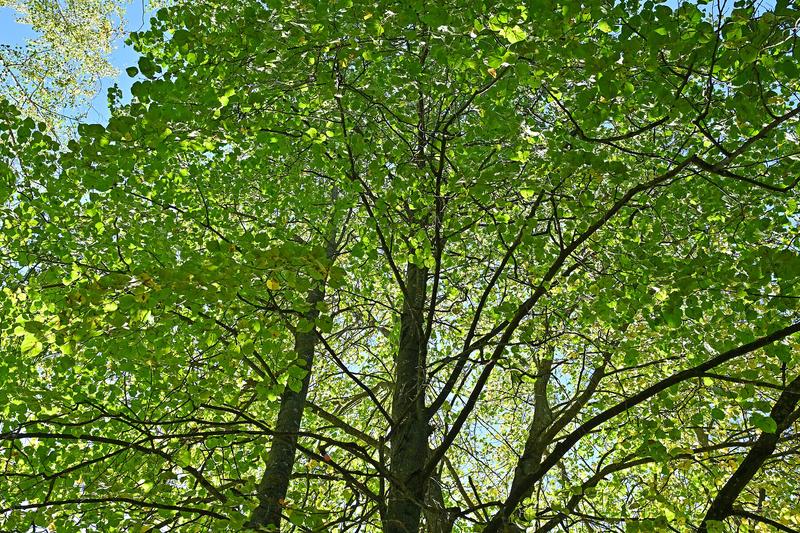
Quick facts
- Watering
- Weekly when young, minimal once established
- Sunlight
- Full sun to partial shade
- Soil
- Moist, well-drained, fertile loam
- Humans
- Safe
- Cats
- Safe
- Dogs
- Safe
- Height
- 2000–3000 cm
- Spread
- 1500–2000 cm
- Spacing
- 2000–2500 cm apart
- RHS recognition
- Award of Garden Merit
About Small-leaved Lime
Small-leaved Lime is a majestic native British tree with a graceful, domed crown and heart-shaped leaves that are smaller and neater than other lime species. Native to ancient woodlands across England and Wales, it can live for several centuries and produces fragrant, pale yellow flowers in July that are beloved by bees. UK gardeners value it as a stately specimen tree for parks, large gardens, and avenues, prized for its elegant form, wildlife value, and tolerance of urban pollution. The autumn foliage turns a pleasing butter-yellow before falling.
UK fact: Small-leaved Lime was once the dominant tree in British wildwood and is considered more truly native than Common Lime (Tilia × europaea). Ancient specimens can be found in the grounds of historic estates and churchyards across England, with some trees estimated to be over 1,000 years old.
Watering Small-leaved Lime
Water young trees weekly during their first two growing seasons, particularly during dry spells between April and September. Once established (after 2-3 years), Small-leaved Lime is remarkably drought-tolerant and rarely needs watering in the UK climate, relying on natural rainfall. During prolonged summer droughts, a deep soak every fortnight will help maintain vigour. Avoid waterlogging, particularly on heavy clay soils in winter.
Sunlight requirements
Small-leaved Lime thrives in full sun but tolerates partial shade, making it adaptable to most UK garden positions. For the best flowering and most compact crown, plant in an open, sunny location away from buildings. In shadier spots, growth may be slower but the tree will still develop well, particularly in woodland garden settings.
Soil and feeding
Small-leaved Lime performs best in deep, fertile, moisture-retentive loam but is adaptable to most soil types including clay, chalk, and sandy soils. It prefers a neutral to slightly alkaline pH (6.5-8.0) and tolerates chalky conditions better than many native trees. Ensure good drainage as the tree dislikes waterlogged conditions, though it copes better with occasional winter wetness than summer waterlogging. Enrich poor soils with well-rotted compost or manure at planting time.
Apply a balanced slow-release fertiliser such as blood, fish and bone around the root zone in early spring for the first 3-4 years to encourage establishment. Mature trees rarely require feeding in most UK garden soils, though a mulch of well-rotted compost or leaf mould each autumn will maintain soil fertility and structure.
Pruning Small-leaved Lime
Small-leaved Lime requires minimal pruning and is best left to develop its natural shape. Remove any dead, diseased, or crossing branches between November and March whilst the tree is dormant, avoiding pruning during the growing season when sap bleeding can occur. If formative pruning is needed to develop a clear trunk, remove lower branches gradually over several years. Avoid heavy pruning as this can stimulate vigorous epicormic growth (water shoots) from the trunk and main branches.
Propagating Small-leaved Lime
Small-leaved Lime can be propagated from seed collected in autumn, though seedlings may take 5-10 years to reach planting size. Sow fresh seeds in pots of loam-based compost and leave outdoors over winter for natural stratification, with germination occurring the following spring. Layering of low branches in spring is also successful, with roots forming within 12-18 months. Semi-hardwood cuttings taken in late summer can be rooted with bottom heat and hormone rooting powder, though success rates are variable.
Common problems
Aphids, particularly lime aphids, are the most common problem, causing sticky honeydew to drip from the canopy in summer which can coat cars and paving beneath. Leaf-mining insects may cause cosmetic damage to foliage but rarely affect tree health. Small-leaved Lime is less susceptible to sooty bark disease than sycamore and generally resistant to honey fungus. Unlike Common Lime, it produces far fewer troublesome suckers from the base, making it a cleaner choice for gardens.
Spot a problem with your plant? Photograph the affected area using the Loam app and it will suggest the most likely cause and treatment.
Safety
- Humans
- Safe
- Cats
- Safe
- Dogs
- Safe
Toxicity information is for general guidance only.
Seasonal care calendar
Monthly care guide for Small-leaved Lime in the UK, based on average conditions.
| Month | Care tasks |
|---|---|
| January | No action needed; tree fully dormant. |
| February | Prune dead or damaged branches if needed during dormancy. |
| March | Apply slow-release fertiliser to young trees. Complete any structural pruning before budburst. |
| April | Fresh leaves emerge; begin weekly watering of young trees if dry. |
| May | Monitor for aphids as new growth develops. Water young trees during dry spells. |
| June | Continue watering young trees. Watch for honeydew from aphids. |
| July | Fragrant flowers appear, attracting bees. Collect seed in late summer if propagating. |
| August | Take semi-hardwood cuttings if propagating. Water young trees during dry weather. |
| September | Collect ripe seeds for propagation. Reduce watering as growth slows. |
| October | Leaves turn yellow before falling. Apply mulch around the base of young trees. |
| November | Ideal planting month for bare-root specimens. Clear fallen leaves if desired. |
| December | Continue planting bare-root trees in mild weather. No other action needed. |
Frequently asked questions
- How long does it take for a Small-leaved Lime to reach full height?
- Small-leaved Lime is a slow to moderate grower, typically adding 30-40cm per year once established. It will reach 10-12 metres in 20-25 years, but may take 60-80 years to reach its full mature height of 20-30 metres. Young trees grow more slowly for the first few years whilst establishing their root systems.
- Why are the leaves on my Small-leaved Lime turning sticky in summer?
- Sticky leaves and dripping sap are caused by aphids feeding on the foliage and excreting honeydew. This is common in summer but rarely harms the tree. The Loam app can help you identify aphid infestations early and track seasonal patterns, with personalised alerts for monitoring and treatment timing if needed.
- What's the difference between Small-leaved Lime and Common Lime?
- Small-leaved Lime (Tilia cordata) is a true British native with neater, smaller leaves (4-6cm) and produces far fewer basal suckers than Common Lime (Tilia × europaea), which is a hybrid. Small-leaved Lime has a more refined appearance, better autumn colour, and is generally preferred for gardens due to its cleaner growth habit and superior wildlife value.
Got a question about growing Small-leaved Lime that isn't covered here? Ask the Garden Advisor in the Loam app. It knows your saved plants and local conditions.
Related plants
This page was compiled with AI assistance and reviewed by our team. .