Himalayan Birch
Betula utilis var. jacquemontii
Trees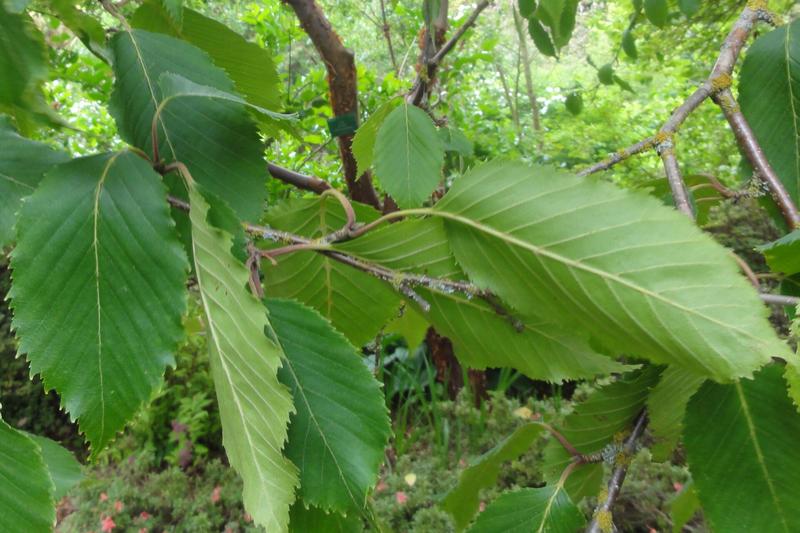
Quick facts
- Watering
- Weekly when young, occasional when established
- Sunlight
- Full sun to partial shade
- Soil
- Moist, well-drained, slightly acidic
- Humans
- Safe
- Cats
- Safe
- Dogs
- Safe
- Height
- 800–1200 cm
- Spread
- 500–800 cm
- Spacing
- 600–800 cm apart
- RHS recognition
- Award of Garden Merit
About Himalayan Birch
The Himalayan Birch is a stunning deciduous tree prized for its brilliant white bark that peels in papery layers, creating year-round architectural interest in British gardens. Native to the Himalayas, this elegant tree thrives in the UK's temperate climate, growing to a manageable size for medium to large gardens. Its graceful habit, golden autumn foliage, and striking winter silhouette make it one of the most popular ornamental trees for contemporary and traditional landscapes alike.
UK fact: Betula utilis var. jacquemontii holds the RHS Award of Garden Merit and has become a signature tree in British garden design since the 1970s, particularly valued for brightening winter gardens when its white bark contrasts beautifully against evergreens and dark winter skies.
Watering Himalayan Birch
Young trees require regular watering during their first two to three years, particularly during dry spells from April to September. Water deeply once or twice weekly during establishment, ensuring the root zone remains moist but not waterlogged. Established trees are reasonably drought-tolerant but benefit from occasional deep watering during prolonged dry periods in summer. Mulching around the base helps retain moisture and keeps roots cool.
Sunlight requirements
Himalayan Birch performs best in full sun where it develops the whitest bark and most vibrant autumn colour. It tolerates partial shade but may grow more slowly with less intense bark colouration. In UK gardens, avoid planting in deep shade or against south-facing walls where reflected heat can stress the tree.
Soil and feeding
Himalayan Birch thrives in fertile, moisture-retentive soil that drains freely, preferring slightly acidic to neutral conditions (pH 5.5-7.0). It adapts to most UK soil types including clay, loam, and sandy soils, provided they don't become waterlogged or excessively dry. Improve heavy clay with organic matter and grit to enhance drainage, and enrich sandy soils with compost to improve moisture retention. Avoid shallow chalky soils where the tree may struggle.
Apply a balanced slow-release fertiliser such as blood, fish and bone in early spring around the root zone of young trees to encourage healthy growth. Established trees rarely require feeding if growing in reasonably fertile soil, though a mulch of well-rotted compost or leaf mould applied annually in autumn provides beneficial nutrients and improves soil structure.
Pruning Himalayan Birch
Prune Himalayan Birch sparingly and only between late summer and midwinter (August to December) to avoid bleeding sap, which weakens the tree. Remove any dead, damaged, or crossing branches to maintain a clean framework and good air circulation. Avoid heavy pruning as birches do not respond well to hard cutting back; focus on light formative pruning of young trees to establish a strong central leader and balanced canopy.
Propagating Himalayan Birch
Himalayan Birch is typically propagated from seed sown fresh in autumn in a cold frame, though germination can be variable and seedlings may not come true to type. Semi-ripe cuttings taken in mid to late summer can be rooted with bottom heat and rooting hormone, though success rates are modest. Grafting onto rootstock of Betula pendula is the most reliable method for maintaining the characteristic white bark, usually performed by specialist nurseries in late winter.
Common problems
Himalayan Birch can be affected by birch borers and aphids, particularly in stressed trees; maintaining good growing conditions and adequate moisture helps prevent infestations. Honey fungus (Armillaria) can occasionally attack birches, causing dieback and eventual death, though healthy trees are more resistant. Leaf spot diseases and powdery mildew may occur in humid conditions but rarely cause serious harm. Die-back of branches can result from drought stress or waterlogging, so consistent moisture management is essential.
Spot a problem with your plant? Photograph the affected area using the Loam app and it will suggest the most likely cause and treatment.
Safety
- Humans
- Safe
- Cats
- Safe
- Dogs
- Safe
Toxicity information is for general guidance only.
Seasonal care calendar
Monthly care guide for Himalayan Birch in the UK, based on average conditions.
| Month | Care tasks |
|---|---|
| January | Admire the striking white bark against winter landscapes. Check tree stakes and ties on young specimens. |
| February | Inspect for any winter damage to branches. Avoid pruning as sap will bleed heavily. |
| March | Apply slow-release fertiliser around young trees. Refresh mulch layer around the base. |
| April | Watch for fresh green leaves emerging. Begin regular watering of young trees if conditions are dry. |
| May | Monitor for aphids on new growth. Water young trees weekly during dry spells. |
| June | Continue watering regime for young trees. Check for any signs of leaf spot or pest damage. |
| July | Maintain watering during dry weather. Take semi-ripe cuttings if propagating. |
| August | Pruning window opens: remove any dead or damaged wood. Water deeply during prolonged dry periods. |
| September | Continue light pruning if needed. Reduce watering frequency as autumn approaches. |
| October | Enjoy the golden autumn foliage display. Apply mulch of leaf mould or compost around the base. |
| November | Complete any necessary pruning before winter. Collect fallen leaves for composting. |
| December | Final opportunity for winter pruning. Appreciate the tree's architectural form and white bark. |
Frequently asked questions
- Why is my Himalayan Birch bark not white?
- Young trees develop white bark gradually over 3-5 years; juvenile bark is often brown or coppery. Insufficient sunlight can also reduce bark whiteness, so ensure your tree receives at least 4-6 hours of direct sun daily. Some cultivars have whiter bark than others, with 'Doorenbos' and 'Grayswood Ghost' being particularly brilliant.
- When should I water my Himalayan Birch during summer?
- Young trees need weekly deep watering during dry spells, whilst established trees benefit from occasional watering during prolonged drought. The Loam app can send you personalised watering reminders based on your local weather conditions and your tree's age, ensuring you water at exactly the right time.
- How fast does Himalayan Birch grow in the UK?
- Himalayan Birch is a moderately fast-growing tree, typically adding 30-40 cm of height per year in good conditions. Growth is fastest in the first 10-15 years, slowing as the tree matures. It usually reaches 6-8 metres within 10 years and its full height of 10-12 metres within 20-25 years.
Got a question about growing Himalayan Birch that isn't covered here? Ask the Garden Advisor in the Loam app. It knows your saved plants and local conditions.
Related plants
This page was compiled with AI assistance and reviewed by our team. .