Rowan
Sorbus aucuparia
Trees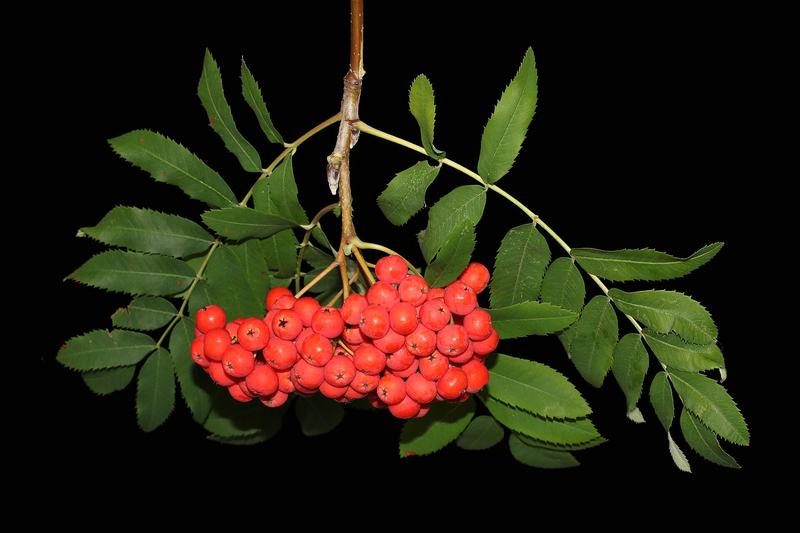
Quick facts
- Watering
- Weekly when young, minimal once established
- Sunlight
- Full sun to partial shade
- Soil
- Well-drained, acidic to neutral soil
- Humans
- Safe
- Cats
- Safe
- Dogs
- Safe
- Height
- 800–1500 cm
- Spread
- 400–700 cm
- Spacing
- 500–800 cm apart
About Rowan
Rowan is a native British deciduous tree beloved for its creamy-white spring flowers, vibrant orange-red autumn berries, and fiery autumn foliage. Growing wild across the UK's uplands and mountains, it has been cultivated in gardens for centuries as an ornamental specimen and wildlife magnet. This hardy, adaptable tree thrives in cooler climates and tolerates exposed sites, making it ideal for British gardens from Cornwall to the Scottish Highlands. Its compact size suits smaller gardens, whilst its berries provide essential food for thrushes, blackbirds, and waxwings throughout autumn and winter.
UK fact: Rowan has deep roots in British folklore and was traditionally planted near homes in Scotland and northern England to ward off witches and evil spirits, whilst its berries were used to make jelly to accompany game.
Watering Rowan
Water newly planted rowans weekly during dry spells in their first growing season, and fortnightly in the second year, to help establish a strong root system. Once established, rowan is remarkably drought-tolerant and copes well with typical British rainfall without supplementary watering. During exceptionally dry summers, young trees (under five years) may benefit from a deep soak every two to three weeks. Avoid waterlogging, as rowan prefers free-draining conditions and can develop root rot in persistently wet soil.
Sunlight requirements
Plant in full sun for the best berry production and autumn colour, though rowan will tolerate partial shade and still perform well. In hotter southern counties, afternoon shade can prevent leaf scorch during prolonged dry spells. Avoid deep shade, which reduces flowering and makes the tree more susceptible to disease.
Soil and feeding
Rowan performs best in moist, well-drained soil with a pH of 5.5 to 7.0, reflecting its native habitat in upland areas with acidic to neutral conditions. It tolerates a wide range of soil types, including sandy, loamy, and even poor, stony soils, making it highly adaptable across the UK. Heavy clay should be improved with organic matter and grit to ensure adequate drainage, as waterlogged roots can lead to disease. Rowan is less suited to shallow, chalky soils, where it may develop chlorosis due to nutrient deficiencies.
Established rowans rarely need feeding in most UK garden soils, as they are adapted to nutrient-poor upland conditions. If growth is weak or leaves show yellowing, apply a general-purpose slow-release fertiliser such as blood, fish, and bone in early spring around the root zone. Mulching annually with well-rotted compost or leaf mould provides gentle nutrient replenishment and improves soil structure.
Pruning Rowan
Rowan requires minimal pruning and naturally develops an attractive, balanced crown. Prune between November and March whilst the tree is dormant, removing any dead, diseased, or damaged wood and thinning out crossing branches to improve air circulation. Avoid heavy pruning, as rowan resents hard cuts and may respond with excessive, weak regrowth. Never prune in spring or summer when sap is rising, as this can lead to bleeding and increased susceptibility to disease such as silverleaf.
Propagating Rowan
Seed is the most reliable propagation method for rowan, though seedlings may not be identical to the parent tree. Collect ripe berries in September or October, extract the seeds, and stratify them in damp sand in the fridge for 12 to 16 weeks to break dormancy. Sow stratified seeds in spring in pots of loam-based compost and keep outdoors in a sheltered spot. Semi-ripe cuttings can be taken in late summer, though success rates are lower than with seed.
Common problems
Rowan is generally trouble-free but can be affected by fireblight, a bacterial disease causing blackened, scorched-looking shoots that must be pruned out and destroyed. Aphids may infest young growth in spring, and can be controlled with insecticidal soap or by encouraging natural predators such as ladybirds. Silverleaf fungus occasionally affects rowan, particularly if pruned during the growing season, causing a silvery sheen on leaves and dieback; infected branches should be removed promptly. Birds, particularly thrushes and waxwings, devour the berries rapidly in autumn, which is beneficial for wildlife but may disappoint gardeners hoping for prolonged winter colour.
Spot a problem with your plant? Photograph the affected area using the Loam app and it will suggest the most likely cause and treatment.
Safety
- Humans
- Safe
- Cats
- Safe
- Dogs
- Safe
Toxicity information is for general guidance only.
Seasonal care calendar
Monthly care guide for Rowan in the UK, based on average conditions.
| Month | Care tasks |
|---|---|
| January | Prune out any dead, damaged, or diseased wood during dormancy. Check stakes and ties on young trees. |
| February | Continue dormant pruning if needed. Apply a mulch of well-rotted compost around the base of young trees. |
| March | Sow stratified seeds outdoors. Complete any pruning before buds break. Plant bare-root trees by mid-month. |
| April | Watch for aphid infestations on new growth. Water newly planted trees during dry spells. |
| May | Enjoy the creamy-white flower clusters. Continue watering young trees weekly if rainfall is low. |
| June | Monitor for signs of fireblight (blackened shoots). Water young trees during dry periods. |
| July | Green berries begin to develop. Ensure young trees receive water during prolonged dry spells. |
| August | Berries start to ripen to orange-red. Take semi-ripe cuttings if propagating, though success rates are variable. |
| September | Collect ripe berries for seed propagation. Watch birds feasting on the fruit. Plant container-grown trees. |
| October | Enjoy vibrant autumn foliage and remaining berries. Plant bare-root trees from late October. Stratify collected seeds. |
| November | Plant bare-root rowans in their final positions. Begin dormant-season pruning if necessary. |
| December | Prune if needed during dormancy. Check tree stakes and ties, adjusting to prevent rubbing. |
Frequently asked questions
- When should I prune my rowan tree?
- Prune rowan between late autumn and early spring (November to March) whilst the tree is dormant, ideally during dry weather. Remove dead, damaged, or crossing branches to maintain an open crown. Avoid pruning in late spring or summer when the tree is actively growing, as this can attract pests and increase disease risk. Make clean cuts just above a bud or branch junction.
- What should I do if my rowan has blackened shoots?
- Blackened, scorched-looking shoots are a symptom of fireblight, a serious bacterial disease. Prune out affected branches at least 60 cm below visible symptoms, sterilising tools between cuts with diluted bleach or disinfectant. Destroy infected material by burning or binning; do not compost. If you're unsure about the diagnosis or the problem persists, the Loam app can help identify diseases from photos and provide tailored treatment advice.
- What type of soil does rowan prefer?
- Rowan is adaptable and tolerates most soil types, including clay, loam, and sandy soils, provided they are well-drained. It prefers slightly acidic to neutral pH (5.5–7.0) but will grow in mildly alkaline conditions. Rowan dislikes waterlogged soil, which can cause root rot. Enrich poor soils with organic matter at planting time to support establishment and early growth.
Got a question about growing Rowan that isn't covered here? Ask the Garden Advisor in the Loam app. It knows your saved plants and local conditions.
Related plants
This page was compiled with AI assistance and reviewed by our team. .