Hawthorn
Crataegus monogyna
Trees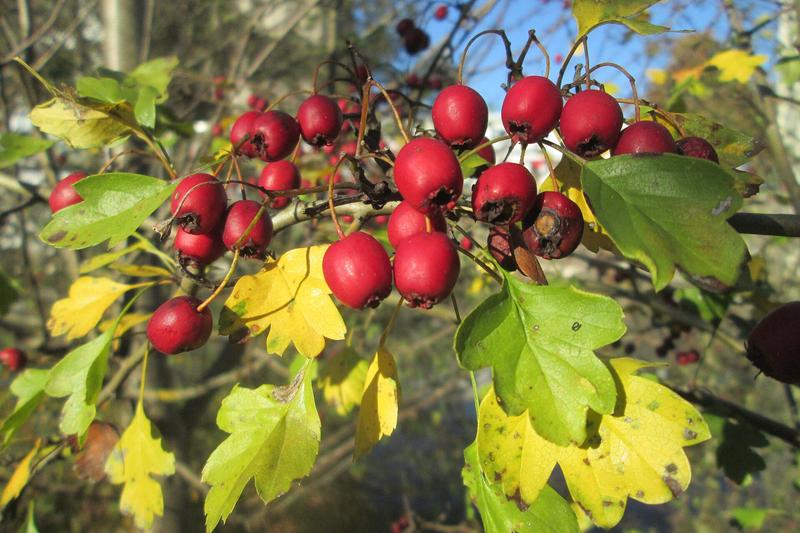
Quick facts
- Watering
- Weekly when young, then drought-tolerant
- Sunlight
- Full sun to partial shade
- Soil
- Any well-drained soil, tolerates clay
- Humans
- Toxic
- Cats
- Toxic
- Dogs
- Toxic
- Height
- 400–1000 cm
- Spread
- 400–800 cm
- Spacing
- 30–45 cm apart
About Hawthorn
Hawthorn is a deciduous native British tree renowned for its frothy white May blossom, thorny branches, and bright red autumn berries. Growing wild in hedgerows across the UK, it has been cultivated for centuries as a robust hedging plant and wildlife haven. UK gardeners value it for its exceptional hardiness, tolerance of exposed sites, and ability to support over 300 insect species. Its dense, spiny growth makes it ideal for boundary hedges and windbreaks in rural and suburban gardens alike.
UK fact: Hawthorn has been a cornerstone of British hedgerows since the Enclosure Acts of the 18th and 19th centuries, when millions were planted to divide agricultural land, creating the patchwork landscape we recognise today.
Watering Hawthorn
Newly planted hawthorns require regular watering—approximately 10–15 litres weekly—during dry spells in their first and second years to establish deep roots. Once established, typically after two to three years, hawthorn becomes highly drought-tolerant and thrives without supplementary watering, even during typical UK summer dry periods. In hedges, water the entire hedge line during prolonged drought in the establishment phase. Container-grown specimens need watering only during extended dry spells once roots have spread beyond the original root ball.
Sunlight requirements
Plant in full sun for the best display of blossom and berries, though hawthorn is remarkably adaptable and will grow in partial shade. In UK gardens, avoid deep shade beneath larger trees where growth becomes leggy and sparse. South- or west-facing positions are ideal, but hawthorn tolerates exposed, windswept sites and north-facing aspects better than most trees.
Soil and feeding
One of the most adaptable British natives, hawthorn grows in virtually any soil type including heavy clay, chalk, sand, and loam. It tolerates a wide pH range from acidic to alkaline (pH 5.5–8.0), making it suitable for almost every UK garden. The only condition to avoid is permanently waterlogged ground, though it tolerates seasonal flooding better than many trees. Poor, thin soils are no barrier—hawthorn thrives on exposed hillsides and coastal sites where few other trees survive.
Established hawthorns are self-sufficient and do not require feeding, drawing nutrients from deep roots. For young trees in their first three years, apply a 5 cm layer of garden compost or well-rotted manure around the base each March, keeping it clear of the trunk. Avoid high-nitrogen fertilisers which promote soft growth susceptible to disease and reduce flowering.
Pruning Hawthorn
For hedges, trim in late August or September after birds have finished nesting and berries have formed, using sharp hedging shears or a trimmer. Avoid pruning between March and August to protect nesting wildlife—it's illegal to disturb active nests. Specimen trees require little pruning; remove dead, diseased, or crossing branches between November and March while dormant. Hawthorn tolerates hard pruning and rejuvenates well from old wood, making it forgiving if overgrown hedges need renovation. Always wear thick gloves when handling the vicious thorns.
Propagating Hawthorn
Seed propagation is the most reliable method for hawthorn, though patience is essential as germination can take up to two years. Collect ripe red berries in October or November, remove the flesh, and stratify seeds in damp sand outdoors over winter. Hardwood cuttings taken in late autumn occasionally root but success rates are variable. Layering low branches in spring offers better results for gardeners wanting a quicker method than seed.
Common problems
Hawthorn is generally robust but can suffer from powdery mildew in dry summers, appearing as white powder on leaves—usually cosmetic rather than serious. Leaf spot diseases cause brown blotches but rarely threaten tree health. Fireblight, a bacterial disease causing blackened shoots, is more serious and requires cutting back affected branches to healthy wood. Aphids may colonise young shoots in spring but are rarely problematic and provide food for beneficial insects and birds.
Spot a problem with your plant? Photograph the affected area using the Loam app and it will suggest the most likely cause and treatment.
Safety
- Humans
-
Toxic
Seeds contain cyanogenic glycosides and should not be eaten. The flesh of berries is edible but seeds must be removed. Leaves and flowers are safe in small quantities.
- Cats
-
Toxic
Seeds are toxic if chewed or crushed, though cats rarely consume them. Berries may cause mild gastrointestinal upset.
- Dogs
-
Toxic
Seeds contain compounds that release cyanide when digested. Large quantities of berries may cause vomiting and diarrhoea. Monitor dogs around fallen fruit.
Toxicity information is for general guidance only. If a person or pet has been exposed to this plant and you are concerned, seek advice from a medical professional or vet.
Seasonal care calendar
Monthly care guide for Hawthorn in the UK, based on average conditions.
| Month | Care tasks |
|---|---|
| January | Prune specimen trees if needed, removing dead or crossing branches. Check tree guards and stakes on young plants. |
| February | Complete any structural pruning before sap rises. Plant bare-root whips for new hedges during mild spells. |
| March | Apply mulch around young trees. Finish planting bare-root stock by mid-month. Watch for emerging leaf buds. |
| April | Leaves unfurl rapidly. Water newly planted trees weekly if dry. Avoid all pruning as nesting season begins. |
| May | Enjoy the spectacular white blossom—traditionally flowers around May Day. Check young trees for aphids but avoid spraying during flowering. |
| June | Blossom fades and small green berries form. Continue watering young trees during dry weather. Monitor for powdery mildew. |
| July | Berries swell and begin to colour. Water young trees if prolonged dry spell. No pruning—birds still nesting. |
| August | Trim hedges from late August once birds have fledged. Berries ripen to red. Take hardwood cuttings towards month end. |
| September | Complete hedge trimming. Berries fully ripe—collect for seed propagation. Plant container-grown trees. |
| October | Harvest haws for propagation or leave for wildlife. Plant bare-root whips. Leaves turn yellow and fall. |
| November | Continue planting bare-root hedging. Stratify collected seeds outdoors. Clear fallen leaves if desired. |
| December | Trees fully dormant. Plant bare-root stock during mild, frost-free periods. Berries provide vital winter food for thrushes and fieldfares. |
Frequently asked questions
- When should I prune hawthorn hedge?
- Prune hawthorn hedges in late winter (January to March) before birds nest, or after nesting season in late summer (August). Trim annually from the second year after planting to encourage dense growth. Avoid pruning during the nesting season (March to August) to protect wildlife.
- Why are my hawthorn leaves turning brown and spotted?
- Brown spots on hawthorn leaves are often caused by leaf spot fungi or hawthorn leaf blight, particularly in damp conditions. Rust disease can also cause orange-brown markings. Remove affected leaves, improve air circulation, and avoid overhead watering. For accurate diagnosis and personalised treatment advice, the Loam app can identify the specific issue from a photo.
- What soil does hawthorn need?
- Hawthorn is remarkably tolerant and thrives in most soil types, including heavy clay, chalk, and sandy soils. It prefers well-drained conditions but tolerates both dry and moderately wet sites. It grows best in neutral to alkaline pH but adapts to slightly acidic soils. This adaptability makes it ideal for challenging British garden conditions.
Got a question about growing Hawthorn that isn't covered here? Ask the Garden Advisor in the Loam app. It knows your saved plants and local conditions.
Related plants
This page was compiled with AI assistance and reviewed by our team. .