Crab Apple
Malus sylvestris
Trees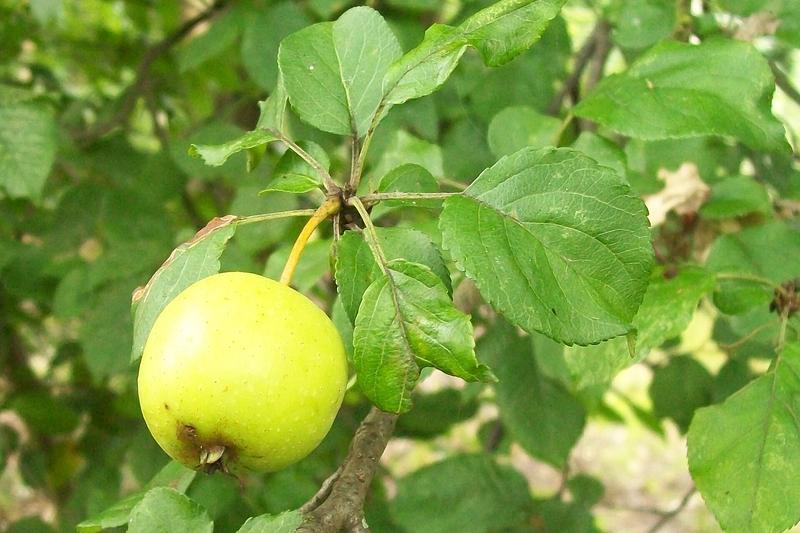
Quick facts
- Watering
- Weekly when young, minimal once established
- Sunlight
- Full sun to partial shade
- Soil
- Well-drained, moderately fertile loam
- Humans
- Toxic
- Cats
- Toxic
- Dogs
- Toxic
- Height
- 400–1000 cm
- Spread
- 400–800 cm
- Spacing
- 500–800 cm apart
About Crab Apple
The crab apple is a native British deciduous tree renowned for its profuse spring blossom in shades of white to pink, followed by small, tart fruits in autumn. Growing wild in hedgerows and woodlands across the UK, it has been cultivated for centuries both as an ornamental specimen and for its fruit, which makes excellent jellies and preserves. UK gardeners value crab apples for their wildlife benefits, providing nectar for pollinators and winter food for birds. With attractive bark, autumn colour, and a compact habit in many cultivars, it suits gardens of all sizes.
UK fact: Malus sylvestris is one of only two apple species native to Britain and is considered the ancestor of many cultivated apple varieties, playing a vital role in the UK's ancient woodland ecosystems and traditional orchards.
Watering Crab Apple
During the first year after planting, water weekly during dry spells, providing approximately 20 litres per session to encourage deep root establishment. In the second year, reduce frequency to fortnightly unless conditions are exceptionally dry. Once established, crab apples develop extensive root systems and cope well with typical UK rainfall, requiring watering only during prolonged summer droughts. Avoid waterlogging, which can lead to root rot and canker diseases.
Sunlight requirements
Plant in a position receiving at least six hours of direct sunlight daily for the best blossom and fruit production. In the UK, a south or west-facing aspect is ideal, though crab apples are tolerant enough to perform reasonably well in partial shade, particularly in southern regions. Avoid deep shade, which reduces flowering and increases susceptibility to fungal diseases due to poor air circulation.
Soil and feeding
Plant in well-drained soil enriched with organic matter such as garden compost or well-rotted manure. Crab apples tolerate clay, loam, and sandy soils, performing best in moderately fertile ground with a pH between 6.0 and 7.0. Heavy clay soils benefit from the addition of horticultural grit to improve drainage, as waterlogged roots are prone to disease. Avoid extremely chalky soils, which can cause nutrient deficiencies, though most UK garden soils are suitable.
In late February or early March, apply a general-purpose granular fertiliser such as Growmore or blood, fish, and bone around the root zone at the manufacturer's recommended rate. Mulch with a 5–7 cm layer of well-rotted compost or manure in spring, keeping it clear of the trunk to prevent rot. Established trees in fertile soil may not require annual feeding, but those showing poor growth or pale foliage benefit from supplementary nutrition.
Pruning Crab Apple
The optimal time to prune crab apples in the UK is between November and March, when the tree is dormant and disease risk is lower. Remove any dead, damaged, or diseased wood first, cutting back to healthy tissue. Thin out crossing or rubbing branches to improve air circulation and reduce fungal infection. Crab apples fruit on spurs on older wood, so avoid heavy pruning that removes productive branches. For young trees, establish a balanced framework by selecting well-spaced main branches and removing competing leaders.
Propagating Crab Apple
Semi-hardwood cuttings taken in July or August root reasonably well with bottom heat and rooting hormone. Select healthy, non-flowering shoots of the current season's growth, approximately 10–15 cm long. Grafting is the preferred method for named cultivars, typically performed in late winter using whip-and-tongue or chip budding techniques onto dwarfing or semi-dwarfing rootstocks such as M26 or MM106. Seeds require cold stratification and produce variable offspring that may not resemble the parent tree, taking 5–10 years to flower.
Common problems
Crab apples are susceptible to apple scab, a fungal disease causing dark, scabby lesions on leaves and fruit, particularly prevalent in wet UK summers. Powdery mildew can affect young shoots and foliage in warm, dry conditions with poor air circulation. Aphids colonise new growth in spring, causing leaf curl and sticky honeydew, whilst caterpillars of winter moth and codling moth may damage foliage and fruit. Canker, identified by sunken, flaking bark, is more common on trees in waterlogged soil or those with pruning wounds, and fireblight, though less common, causes sudden blackening of shoots and requires immediate removal of affected branches.
Spot a problem with your plant? Photograph the affected area using the Loam app and it will suggest the most likely cause and treatment.
Safety
- Humans
-
Toxic
Seeds contain amygdalin, which releases cyanide when digested. The flesh is safe to eat when cooked, but seeds should be removed. Consuming large quantities of seeds could cause poisoning.
- Cats
-
Toxic
Seeds, leaves, and stems contain cyanogenic glycosides that can cause vomiting, difficulty breathing, and shock if ingested in quantity. The fruit flesh poses minimal risk.
- Dogs
-
Toxic
Seeds and plant material contain compounds that release cyanide when chewed. Symptoms of poisoning include dilated pupils, difficulty breathing, and bright red gums. Fruit flesh is generally safe in small amounts.
Toxicity information is for general guidance only. If a person or pet has been exposed to this plant and you are concerned, seek advice from a medical professional or vet.
Seasonal care calendar
Monthly care guide for Crab Apple in the UK, based on average conditions.
| Month | Care tasks |
|---|---|
| January | Prune to shape and remove dead or diseased wood whilst fully dormant. Check tree stakes and ties. |
| February | Complete winter pruning before buds break. Apply balanced fertiliser and mulch around the base. |
| March | Monitor for aphid emergence on swelling buds. Water newly planted trees if conditions are dry. |
| April | Enjoy the blossom display. Check for signs of scab or mildew as leaves unfold. Remove aphid-infested shoot tips if necessary. |
| May | Continue monitoring for pests and diseases. Water young trees during dry spells. Blossom gives way to developing fruitlets. |
| June | Natural fruit drop occurs; this is normal. Ensure adequate watering for newly planted specimens. Watch for caterpillar damage. |
| July | Take semi-hardwood cuttings for propagation. Water during prolonged dry periods. Fruits continue to swell. |
| August | Continue taking cuttings if needed. Monitor for late-season aphids and mildew. Fruits begin to colour. |
| September | Harvest ripe fruits for jellies and preserves. Leave some on the tree for wildlife. Autumn colour begins to develop. |
| October | Collect fallen leaves affected by scab and dispose of them to reduce disease carryover. Plant new trees. |
| November | Continue planting bare-root trees. Begin winter pruning once leaves have fallen. Apply grease bands to trap winter moth. |
| December | Prune if weather permits. Check stakes and ties on young trees after winter gales. Plan next year's planting. |
Frequently asked questions
- How do I prune a crab apple tree in the UK?
- Prune crab apples during winter dormancy (December to February) to maintain shape and improve air circulation. Remove dead, diseased, or crossing branches, and thin crowded growth to reduce disease risk. Make clean cuts just above outward-facing buds. Avoid heavy summer pruning as this can stimulate soft growth vulnerable to fireblight. For young trees, focus on establishing a strong framework of well-spaced branches.
- Why are the leaves on my crab apple turning black and falling off?
- This is likely apple scab, a common fungal disease in the UK, especially during wet springs and summers. Rake up and dispose of fallen leaves, improve air circulation through pruning, and consider applying a fungicide approved for organic use in early spring. The Loam app can help you diagnose leaf problems with photo identification and send you timely reminders for preventative treatments based on your local weather conditions.
- What soil conditions do crab apple trees prefer?
- Crab apples thrive in moist but well-drained soil with a pH between 6.0 and 7.0, though they tolerate a wide range of soil types including clay and chalk. They prefer full sun but tolerate partial shade. Avoid waterlogged sites as this can lead to root rot. Improve heavy clay with organic matter before planting, and mulch annually to retain moisture and suppress weeds whilst keeping mulch away from the trunk.
Got a question about growing Crab Apple that isn't covered here? Ask the Garden Advisor in the Loam app. It knows your saved plants and local conditions.
Related plants
This page was compiled with AI assistance and reviewed by our team. .