Pear
Pyrus communis
Fruit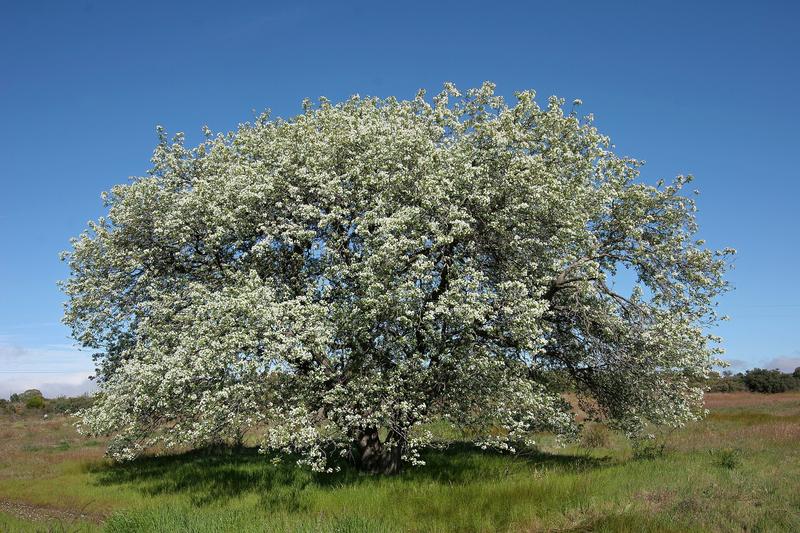
Quick facts
- Watering
- Weekly during fruiting
- Sunlight
- Full sun
- Soil
- Well-drained, moisture-retentive loam
- Humans
- Safe
- Cats
- Toxic
- Dogs
- Toxic
- Height
- 300–1200 cm
- Spread
- 250–800 cm
- Spacing
- 400–800 cm apart
About Pear
The pear is a deciduous fruit tree producing sweet, juicy fruits with distinctive bell shapes and smooth skin ranging from green to golden-yellow or russet. Native to Europe and western Asia, pears have been cultivated in Britain since Roman times and thrive in the UK's temperate climate. British gardeners prize pears for their beautiful spring blossom, reliable cropping, and long storage potential. With proper training and care, a pear tree can provide abundant harvests for decades.
UK fact: The historic pear variety 'Conference', raised in Berkshire in 1770, remains Britain's most popular commercial and garden pear, renowned for its reliability in the UK climate and ability to set fruit without a pollination partner.
Watering Pear
Newly planted trees need thorough watering weekly during their first two growing seasons to establish deep roots. Established trees are relatively drought-tolerant but benefit from weekly watering during fruit development, particularly in dry summers. Apply 20-30 litres per tree weekly during prolonged dry periods, ensuring water penetrates deeply rather than frequent shallow watering. Mulch around the base to retain moisture and suppress competing weeds.
Sunlight requirements
Plant in a south or west-facing position sheltered from cold winds, which can damage blossom in spring. In northern Britain, a warm wall provides extra protection and heat for ripening. Avoid shaded positions as insufficient sunlight results in poor fruit set and increased disease susceptibility.
Soil and feeding
The ideal soil is a moisture-retentive loam with good drainage and a pH of 6.0-7.0. Pears tolerate heavier clay soils better than apples but struggle in shallow, chalky, or waterlogged ground. Improve poor soils by incorporating well-rotted manure or compost before planting. On very heavy clay, consider planting on a slight mound to improve drainage around the root zone.
Feed established trees with a general-purpose fertiliser such as Growmore (70g per square metre) in late February before growth begins. Apply a 5-7cm layer of well-rotted manure or garden compost as a mulch in March, keeping it clear of the trunk. Potassium-rich feeds in summer can improve fruit quality and winter hardiness.
Pruning Pear
Winter prune freestanding trees between November and March, removing dead, diseased, or crossing branches and maintaining an open centre for air circulation. Summer prune trained forms (espaliers, cordons, fans) in late July or August, cutting back new side shoots to three leaves to encourage fruiting spurs. Pears fruit on spurs that develop on older wood, so avoid over-pruning established fruiting branches. Remove any vigorous upright shoots (water shoots) that develop on main branches.
Propagating Pear
Home gardeners should purchase grafted trees on appropriate rootstocks rather than attempting propagation from seed, which takes many years and produces variable results. Grafting is carried out in late winter or early spring using whip-and-tongue or chip budding techniques. The rootstock determines the tree's ultimate size, with Quince A producing moderately vigorous trees and Quince C creating smaller, more manageable specimens ideal for gardens.
Common problems
Pear trees are susceptible to several problems in the UK, with pear scab causing dark blotches on leaves and fruit, particularly in wet seasons. Fireblight, a serious bacterial disease, causes blackened shoots that look scorched and must be reported and removed promptly. Pear midge larvae damage developing fruitlets, causing them to blacken and fall in May or June. Codling moth caterpillars tunnel into ripening fruits, while winter moth caterpillars damage blossom and young leaves in spring.
Spot a problem with your plant? Photograph the affected area using the Loam app and it will suggest the most likely cause and treatment.
Safety
- Humans
- Safe
- Cats
-
Toxic
Pear seeds contain cyanogenic glycosides which can release cyanide when chewed. The flesh is safe but seeds should not be consumed in quantity.
- Dogs
-
Toxic
Pear seeds contain cyanogenic glycosides which can release cyanide when chewed. The flesh is safe but seeds should not be consumed in quantity.
Toxicity information is for general guidance only. If a pet has been exposed to this plant and you are concerned, seek advice from a vet.
Seasonal care calendar
Monthly care guide for Pear in the UK, based on average conditions.
| Month | Care tasks |
|---|---|
| January | Prune freestanding trees during mild, dry weather. Check tree stakes and ties, adjusting if necessary. Apply winter wash to control overwintering pests. |
| February | Complete winter pruning before buds break. Apply general fertiliser around the root zone. Plant bare-root trees before the end of the month. |
| March | Apply mulch of well-rotted manure or compost. Watch for signs of pear scab on emerging leaves. Plant container-grown trees if soil conditions allow. |
| April | Protect blossom from late frosts with horticultural fleece if necessary. Monitor for aphids and treat if populations build up. Hand-pollinate flowers if weather is poor and pollinators scarce. |
| May | Watch for pear midge damage and remove affected fruitlets. Thin developing fruits if the tree has set heavily, leaving one or two fruits per cluster. Water young trees regularly. |
| June | Continue watering during dry spells, especially as fruits swell. Watch for signs of fireblight and remove affected shoots immediately. Apply summer feed if growth is weak. |
| July | Summer prune trained forms (espaliers, cordons) from late July onwards. Water regularly during dry weather. Check developing fruits for codling moth damage. |
| August | Continue summer pruning of trained trees. Begin harvesting early varieties when fruits part easily from the tree. Water established trees weekly if conditions are dry. |
| September | Harvest mid-season varieties, picking before fully ripe and allowing to ripen indoors. Collect and destroy fallen fruit to reduce pest and disease carryover. Reduce watering as fruits ripen. |
| October | Harvest late varieties for storage. Clear fallen leaves and fruit to minimise overwintering pests and diseases. Apply grease bands to tree trunks to trap winter moth females. |
| November | Plant bare-root trees from mid-November onwards. Begin winter pruning of freestanding trees if weather permits. Check stored fruit regularly and remove any showing signs of rot. |
| December | Continue planting bare-root trees during mild spells. Prune freestanding trees on frost-free days. Order new trees for spring planting if desired. |
Frequently asked questions
- When should I prune pear trees?
- Prune established pear trees in winter (November to March) when dormant, removing crossing, damaged, or diseased branches and maintaining an open centre for light and air circulation. Summer pruning of trained forms (espaliers, cordons) should be done in late July to August, cutting back new side shoots to three leaves. Avoid heavy pruning in summer as this can encourage fireblight infection.
- How do I identify what's wrong with my pear tree leaves?
- Pear tree leaves can show various problems: brown spots may indicate pear leaf blister mite or fungal leaf spot, yellowing suggests nutrient deficiency or waterlogging, and sticky leaves often mean aphid infestation. Black or wilted shoots could signal fireblight. The Loam app can help you diagnose leaf problems through photo identification and provides personalised treatment advice based on your specific symptoms and growing conditions.
- What type of soil do pear trees need?
- Pear trees thrive in deep, moisture-retentive but well-drained soil with a pH of 6.0-6.5. They tolerate heavier clay soils better than apples but struggle in waterlogged or very sandy conditions. Before planting, incorporate plenty of organic matter such as well-rotted manure or compost. Avoid frost pockets and ensure the site receives full sun for at least six hours daily for good fruit production.
Got a question about growing Pear that isn't covered here? Ask the Garden Advisor in the Loam app. It knows your saved plants and local conditions.
Related plants
This page was compiled with AI assistance and reviewed by our team. .