Cherry
Prunus avium
Fruit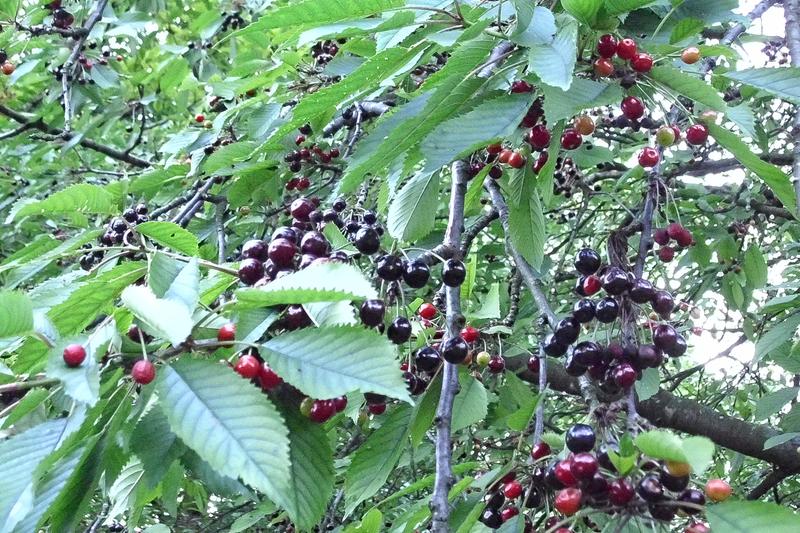
Quick facts
- Watering
- Weekly during fruit development
- Sunlight
- Full sun
- Soil
- Well-drained, fertile, moisture-retentive loam
- Humans
- Toxic
- Cats
- Toxic
- Dogs
- Toxic
- Height
- 800–1500 cm
- Spread
- 500–1000 cm
- Spacing
- 600–1000 cm apart
About Cherry
Cherry is a deciduous fruit tree native to Europe and western Asia, prized for its delicious sweet fruit and beautiful spring blossom. Growing 8–15 metres tall, it produces clusters of white flowers in April followed by glossy red to dark purple cherries in June and July. UK gardeners value cherries for their dual ornamental and culinary appeal, though they require careful siting to protect ripening fruit from birds and rain-induced splitting.
UK fact: Cherry trees have been cultivated in Britain since Roman times, with Kent earning the nickname 'Garden of England' partly due to its historic cherry orchards, though commercial production declined significantly in the 20th century.
Watering Cherry
Newly planted trees need weekly watering during their first two growing seasons to establish deep roots. Mature trees are relatively drought-tolerant but benefit from deep watering during prolonged dry periods, particularly from May to July when fruit is developing. Inconsistent watering can cause fruit to split, especially if heavy rain follows drought. Apply water at the base rather than overhead to reduce disease risk, and mulch to retain moisture.
Sunlight requirements
Position in full sun with at least six hours of direct sunlight daily, essential for fruit sweetness and ripening. South or west-facing positions are ideal in the UK, providing maximum warmth and light. Avoid frost pockets and north-facing walls where late spring frosts can damage blossom and reduce cropping.
Soil and feeding
Plant in deep, fertile loam with excellent drainage, as cherries are susceptible to root diseases in waterlogged conditions. The ideal pH is slightly acidic to neutral (6.0–7.0), though they tolerate slightly alkaline soils. Heavy clay soils should be improved with organic matter and grit, or consider planting on a mound. Shallow or poor soils will restrict growth and reduce cropping, so incorporate well-rotted manure or compost before planting.
Apply a general-purpose fertiliser such as Growmore or blood, fish and bone in late February at 70g per square metre around the root zone. Mulch with well-rotted manure or compost in early spring to improve soil structure and provide slow-release nutrients. Avoid high-nitrogen feeds after June as these promote soft growth susceptible to frost damage and disease.
Pruning Cherry
Cherry trees must be pruned in summer, never in winter, to minimise infection by silver leaf and bacterial canker which enter through wounds. Prune established trees in July or August, removing dead, diseased or crossing branches and maintaining an open centre for good air circulation. Young trees require formative pruning to establish a strong framework with well-spaced branches. Remove any shoots arising from the rootstock below the graft union promptly.
Propagating Cherry
Named cherry varieties must be grafted onto rootstocks such as 'Colt' (semi-dwarfing) or 'Gisela 5' (dwarfing) to maintain variety characteristics and control tree size. Grafting is best done in late winter or early spring using whip-and-tongue or chip budding techniques. Growing from seed is possible but results in variable trees that may take 7–10 years to fruit and won't replicate the parent variety. Most gardeners purchase grafted trees from specialist fruit nurseries.
Common problems
Cherry trees are susceptible to bacterial canker, which causes sunken lesions on bark and dieback, particularly in wet conditions. Silver leaf disease is a serious fungal infection causing a silvery sheen on leaves and progressive branch death; prune only in summer to reduce infection risk. Birds are the primary pest, stripping fruit as it ripens—netting is essential for protecting crops. Cherry blackfly can infest young shoots in spring, causing leaf curl and distortion, while brown rot fungus affects ripening fruit, especially in wet summers.
Spot a problem with your plant? Photograph the affected area using the Loam app and it will suggest the most likely cause and treatment.
Safety
- Humans
-
Toxic
Cherry leaves, stems and stones contain cyanogenic glycosides which release cyanide when chewed or digested. The fruit flesh is safe to eat, but stones should never be consumed or crushed.
- Cats
-
Toxic
All parts except the fruit flesh contain cyanogenic compounds that are toxic to cats, causing dilated pupils, difficulty breathing and shock if ingested.
- Dogs
-
Toxic
Cherry leaves, stems and stones are toxic to dogs due to cyanogenic glycosides. Symptoms include dilated pupils, difficulty breathing, red gums and potential respiratory failure.
Toxicity information is for general guidance only. If a person or pet has been exposed to this plant and you are concerned, seek advice from a medical professional or vet.
Seasonal care calendar
Monthly care guide for Cherry in the UK, based on average conditions.
| Month | Care tasks |
|---|---|
| January | Collect scion wood for grafting during mild spells. Check tree stakes and ties, adjusting if necessary. Avoid pruning. |
| February | Apply general fertiliser around the root zone. Plant bare-root trees during mild weather. Complete grafting by month end. |
| March | Mulch with well-rotted manure, keeping clear of the trunk. Watch for signs of bacterial canker. Finish planting bare-root trees. |
| April | Protect blossom from late frosts with fleece if necessary. Monitor for cherry blackfly on young shoots. Water newly planted trees weekly. |
| May | Thin fruit if the crop is very heavy to improve size and reduce branch strain. Continue watering young trees. Treat blackfly infestations promptly. |
| June | Net trees to protect ripening fruit from birds. Water regularly during dry spells to prevent fruit splitting. Harvest early varieties from late June. |
| July | Harvest main crop cherries. Begin summer pruning once fruiting is complete, removing dead or crossing branches. Continue watering during dry weather. |
| August | Complete summer pruning by mid-month. Remove and destroy any fruit showing signs of brown rot. Water young trees during prolonged dry spells. |
| September | Clear fallen fruit and leaves to reduce overwintering pests and diseases. Reduce watering as growth slows. Prepare planting sites for autumn planting. |
| October | Plant new bare-root trees from mid-month onwards. Check for signs of bacterial canker and remove affected branches. Apply autumn mulch. |
| November | Continue planting bare-root trees. Inspect trees for damage and disease. Remove any mummified fruit still hanging on branches. |
| December | Complete planting of bare-root trees during mild spells. Check tree supports and ties. Avoid pruning to prevent disease entry. |
Frequently asked questions
- When should I prune my cherry tree?
- Always prune cherry trees in summer (July–August) when they are in full leaf, never in winter. Summer pruning significantly reduces the risk of silver leaf disease and bacterial canker, which enter through pruning wounds and are most active in autumn, winter and spring.
- What's wrong with my cherry tree leaves?
- Cherry leaves can show various problems including yellowing (nutrient deficiency), brown spots (bacterial canker or leaf spot), silvery sheen (silver leaf disease), or wilting (drought stress or root issues). The Loam app can help you diagnose leaf problems through photo identification and provide personalised treatment advice based on your specific symptoms and growing conditions.
- How do I plant a bare-root cherry tree?
- Plant bare-root cherry trees between November and March whilst dormant. Dig a hole twice the width of the roots, incorporate well-rotted compost, and ensure the graft union sits 10cm above soil level. Stake securely, water thoroughly, and mulch around the base. Avoid planting in waterlogged soil or frost pockets, and choose a sunny, sheltered position for best results.
Got a question about growing Cherry that isn't covered here? Ask the Garden Advisor in the Loam app. It knows your saved plants and local conditions.
Related plants
This page was compiled with AI assistance and reviewed by our team. .