Apple
Malus domestica
Fruit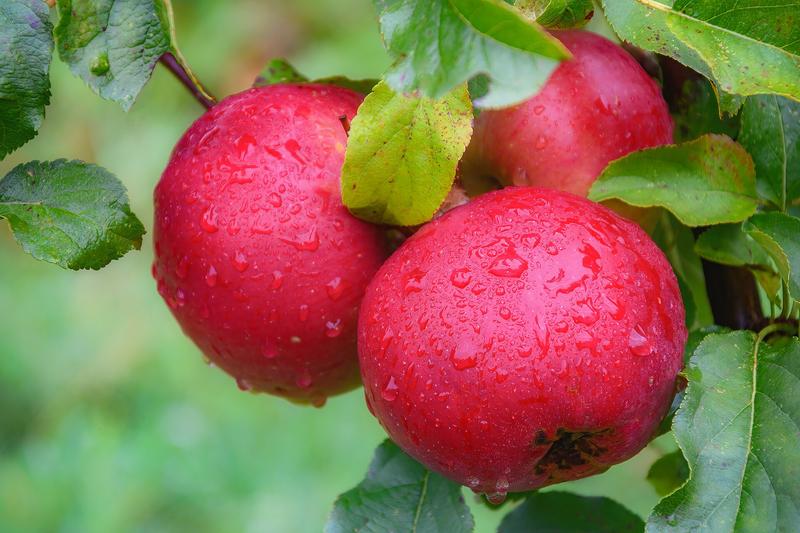
Quick facts
- Watering
- Weekly during establishment and fruiting
- Sunlight
- Full sun
- Soil
- Well-drained, slightly acidic loam
- Humans
- Toxic
- Cats
- Toxic
- Dogs
- Toxic
- Height
- 200–800 cm
- Spread
- 200–600 cm
- Spacing
- 300–600 cm apart
About Apple
The apple is Britain's most beloved fruit tree, producing crisp, sweet fruit from late summer through autumn. Descended from wild species native to Central Asia, apples have been cultivated in the UK for over 2,000 years, with hundreds of heritage British varieties still grown today. These deciduous trees offer spring blossom, summer shade, and autumn harvests, making them a cornerstone of the traditional British garden and orchard. From compact cordons for small gardens to full-sized standards, there's an apple tree suitable for every UK plot.
UK fact: The UK is home to over 2,500 apple varieties, with the National Fruit Collection at Brogdale in Kent preserving more than 2,200 cultivars, making it the largest collection of fruit trees in the world.
Watering Apple
Newly planted apple trees require weekly watering during their first two growing seasons to establish strong root systems. Once established, water deeply during prolonged dry spells, particularly from late spring through harvest when trees are flowering and fruiting. Apply 20-30 litres per week during drought conditions, focusing water around the drip line rather than the trunk. Mulching helps retain moisture in free-draining soils common across much of the UK.
Sunlight requirements
Position apple trees in full sun, ideally in a south- or west-facing location that receives at least six hours of direct sunlight daily. In the UK, avoid frost pockets and north-facing sites where late spring frosts can damage blossom. Good light exposure improves fruit quality, colour, and sugar content whilst reducing disease pressure.
Soil and feeding
Apple trees perform best in deep, fertile loam with good drainage and a pH between 6.0 and 7.0. They tolerate clay soils provided drainage is adequate, but struggle in waterlogged conditions or shallow chalky soils. Improve heavy clay with organic matter and grit, and enrich sandy soils with well-rotted manure or compost before planting. Most UK garden soils suit apples well, though very alkaline soils may cause nutrient deficiencies.
Apply a general-purpose fertiliser such as Growmore or blood, fish and bone in late February at 70g per square metre around the root zone. In June, apply a high-potash feed like sulphate of potash to encourage fruit ripening and improve winter hardiness. Avoid excessive nitrogen, which promotes soft growth susceptible to disease and reduces fruiting.
Pruning Apple
Prune apple trees between November and March whilst dormant, avoiding periods of hard frost. Remove dead, diseased, and damaged wood first, then eliminate crossing or rubbing branches. Aim for an open-centred structure that allows light and air circulation, reducing disease risk in the UK's damp climate. Summer pruning of trained forms like cordons and espaliers should be done in August, cutting back new growth to maintain shape and encourage fruiting spurs.
Propagating Apple
Commercial and heritage apple varieties are propagated by grafting scion wood onto rootstock, which controls the tree's ultimate size and vigour. Grafting is typically performed in February or March using whip-and-tongue or chip budding methods. Rootstocks range from very dwarfing (M27) to vigorous (M25), with M26 and MM106 being popular choices for UK gardens. Growing apples from seed produces unpredictable results and trees take many years to fruit, so grafting remains the preferred method.
Common problems
Apple trees in the UK commonly suffer from apple scab, a fungal disease causing dark spots on leaves and fruit, particularly prevalent in wet seasons. Codling moth caterpillars tunnel into developing fruit in summer, whilst aphids can distort new growth in spring. Powdery mildew affects shoots and leaves in warm, dry conditions, and canker causes sunken patches on branches, especially on poorly drained sites. Good hygiene, winter pruning, and choosing disease-resistant varieties significantly reduce problems.
Spot a problem with your plant? Photograph the affected area using the Loam app and it will suggest the most likely cause and treatment.
Safety
- Humans
-
Toxic
Apple seeds contain amygdalin, which releases cyanide when digested. Whilst a few seeds are harmless, consuming large quantities can be dangerous. The flesh is safe and nutritious.
- Cats
-
Toxic
Apple seeds and stems contain cyanogenic glycosides that can cause toxicity in cats if consumed in quantity. The flesh is generally safe but should not form a regular part of their diet.
- Dogs
-
Toxic
Apple seeds, stems, and leaves contain cyanide compounds toxic to dogs. The flesh is safe in moderation, but remove all seeds and core before offering to pets.
Toxicity information is for general guidance only. If a person or pet has been exposed to this plant and you are concerned, seek advice from a medical professional or vet.
Seasonal care calendar
Monthly care guide for Apple in the UK, based on average conditions.
| Month | Care tasks |
|---|---|
| January | Prune established trees during mild, dry spells. Check tree stakes and ties. Collect scion wood for grafting if required. |
| February | Continue winter pruning. Apply general fertiliser around the root zone. Graft new trees if propagating. |
| March | Complete pruning before buds break. Plant bare-root trees before growth begins. Apply mulch around the base. |
| April | Watch for aphid infestations on new growth. Blossom appears; protect from late frosts with fleece if necessary. |
| May | Thin fruitlets if the crop is heavy, leaving one or two fruits per cluster. Water young trees regularly. |
| June | Apply high-potash feed. Continue watering during dry spells. Hang codling moth traps. Summer prune trained forms. |
| July | Water deeply during dry weather. Monitor for pests and diseases. Early varieties begin to ripen. |
| August | Summer prune cordons and espaliers. Harvest early varieties. Continue watering and pest monitoring. |
| September | Harvest mid-season varieties when fruit lifts easily with a gentle twist. Collect and destroy fallen fruit to reduce pest carryover. |
| October | Harvest late varieties for storage. Remove mummified fruit and fallen leaves. Plant new container-grown trees. |
| November | Plant bare-root trees. Begin winter pruning once leaves have fallen. Apply grease bands to trap winter moths. |
| December | Continue planting and pruning during mild spells. Check stored fruit and remove any showing signs of rot. |
Frequently asked questions
- How do I prune an apple tree in the UK?
- Prune established apple trees in winter (November to March) whilst dormant. Remove dead, diseased, or crossing branches first, then thin crowded growth to create an open centre for light and air circulation. Summer pruning (August) is used for trained forms like cordons and espaliers. Different rootstocks and tree forms require specific techniques—cut above outward-facing buds and aim to maintain the tree's shape whilst encouraging fruiting wood.
- Why are my apple tree leaves turning yellow?
- Yellowing leaves can indicate several issues: nutrient deficiencies (particularly nitrogen or iron), waterlogging, drought stress, or pest problems like aphids. Check soil moisture and drainage first. Yellow leaves with green veins suggest iron chlorosis, common in alkaline soils. The Loam app can help diagnose the specific cause by analysing photos of affected leaves and providing personalised care recommendations based on your tree's conditions.
- What type of soil do apple trees need?
- Apple trees thrive in well-drained, slightly acidic to neutral soil (pH 6.0-7.0) with good fertility. They tolerate most soil types except waterlogged or extremely sandy ground. Before planting, improve heavy clay with organic matter and grit for drainage, or enrich light soils with compost for moisture retention. Avoid frost pockets and ensure the planting site receives full sun for at least six hours daily during the growing season.
Got a question about growing Apple that isn't covered here? Ask the Garden Advisor in the Loam app. It knows your saved plants and local conditions.
Related plants
This page was compiled with AI assistance and reviewed by our team. .