Apricot
Prunus armeniaca
Fruit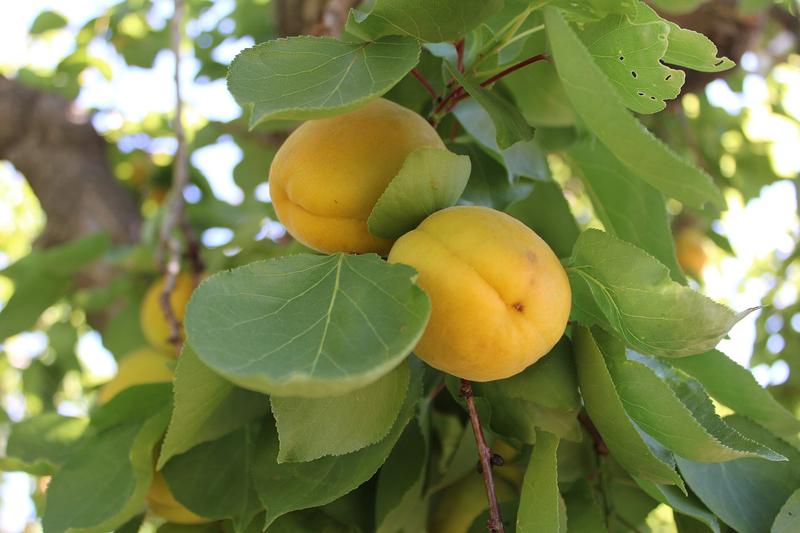
Quick facts
- Watering
- Weekly during fruit development
- Sunlight
- Full sun
- Soil
- Well-drained, slightly alkaline loam
- Humans
- Toxic
- Cats
- Toxic
- Dogs
- Toxic
- Height
- 300–600 cm
- Spread
- 300–500 cm
- Spacing
- 400–600 cm apart
About Apricot
Apricot is a deciduous fruit tree producing fragrant pale pink blossoms in early spring followed by golden-orange, velvety-skinned fruits in mid to late summer. Native to Central Asia, this member of the Prunus family has been cultivated in Britain since the 16th century and thrives particularly well when grown as a fan-trained tree against a warm, south-facing wall. UK gardeners prize apricots for their ornamental spring display and delicious, sun-warmed fruits that are far superior in flavour to shop-bought imports. With careful variety selection and protection from late frosts, apricots can be successfully grown throughout much of southern and central England.
UK fact: Apricots were famously grown in the walled gardens of Hampton Court Palace during Henry VIII's reign, and several heritage British varieties such as 'Moorpark' (introduced in 1760) remain popular with gardeners today for their exceptional flavour and reliability in the British climate.
Watering Apricot
Water apricot trees regularly during the growing season, particularly from flowering through to fruit ripening, providing approximately 20-30 litres per week in dry spells. Consistent moisture is crucial during fruit swell in June and July to prevent splitting and ensure good size and flavour. Reduce watering after harvest but never allow the soil to dry out completely, as this can stress the tree and affect next year's crop. Established trees are moderately drought-tolerant but produce better quality fruit with regular watering during dry British summers.
Sunlight requirements
Apricots require a warm, sheltered position in full sun to ripen fruit successfully in the UK climate. A south or south-west facing wall is ideal, providing both maximum sunlight and protection from cold winds and late frosts that can damage blossom. In cooler regions, fan-training against a sunny wall is essential for reliable cropping, whilst in milder southern counties free-standing trees may succeed in open, sunny positions.
Soil and feeding
Apricots thrive in fertile, well-drained soil with a pH between 6.5 and 7.5, preferring slightly alkaline conditions. Heavy clay soils must be improved with grit and organic matter to ensure good drainage, as apricots are susceptible to root rot in waterlogged conditions. Sandy soils benefit from the addition of well-rotted compost or manure to improve moisture retention and fertility. When planting against a wall, ensure the soil is not impoverished by the building's foundations and improve it generously with organic matter before planting.
Apply a balanced fertiliser such as Growmore at 70g per square metre in late February, followed by a high-potash feed (such as tomato fertiliser) in late spring to support fruit development. Mulch annually in March with well-rotted manure or compost, keeping it clear of the trunk to prevent rot.
Pruning Apricot
Prune apricots in late spring or summer (never in winter) to reduce the risk of silver leaf disease, which enters through pruning wounds. For fan-trained trees, tie in new growth to fill gaps and remove inward-growing shoots, pruning established fruited wood back to replacement shoots after harvest. Free-standing trees require minimal pruning once established; remove dead, diseased or crossing branches and maintain an open, balanced crown. Always use clean, sharp tools and seal large cuts with wound paint to protect against infection.
Propagating Apricot
Apricots are typically propagated by grafting named varieties onto rootstock such as 'St Julien A' or 'Torinel', which controls vigour and improves disease resistance. Whilst apricots can be grown from stones, the resulting trees rarely produce fruit true to type and may take 5-7 years to bear fruit. For UK gardeners, purchasing a grafted tree from a reputable nursery is the most reliable method, ensuring you receive a known variety suited to British conditions. Budding onto rootstock in summer is the preferred method for experienced propagators, with the bud union protected over winter and the rootstock cut back the following spring.
Common problems
Apricots are susceptible to several fungal diseases in the UK climate, particularly silver leaf, bacterial canker and brown rot, which causes fruit to rot on the tree. Peach leaf curl can affect foliage in wet springs, causing red blistering and leaf drop; preventative spraying with copper fungicide in January and February or covering wall-trained trees with polythene from December to May helps protect against this. Aphids may colonise new growth in spring, and wasps can damage ripening fruit in late summer. Late spring frosts are perhaps the biggest challenge for UK apricot growers, destroying blossom and preventing fruit set; fleece protection during frosty nights in March and April is essential in vulnerable areas.
Spot a problem with your plant? Photograph the affected area using the Loam app and it will suggest the most likely cause and treatment.
Safety
- Humans
-
Toxic
Apricot kernels, leaves and stems contain amygdalin which releases cyanide when digested. The fruit flesh is safe and edible, but kernels should not be consumed in quantity.
- Cats
-
Toxic
All parts except fruit flesh contain cyanogenic glycosides which are toxic to cats if ingested, causing vomiting, difficulty breathing and potential cyanide poisoning.
- Dogs
-
Toxic
Stems, leaves and particularly kernels contain cyanogenic compounds toxic to dogs. Fruit flesh is safe in small amounts but stones must be kept away from pets.
Toxicity information is for general guidance only. If a person or pet has been exposed to this plant and you are concerned, seek advice from a medical professional or vet.
Seasonal care calendar
Monthly care guide for Apricot in the UK, based on average conditions.
| Month | Care tasks |
|---|---|
| January | Apply copper fungicide spray to prevent peach leaf curl. Check tree ties and stakes on young trees. |
| February | Apply second copper spray for peach leaf curl. Apply balanced fertiliser around the root zone. Begin covering wall-trained trees with polythene to protect blossom buds. |
| March | Mulch with well-rotted compost. Protect blossom from frost with fleece on cold nights. Hand-pollinate flowers with a soft brush if weather is cold and few insects are active. |
| April | Continue frost protection for blossom and young fruitlets. Remove polythene covers once frost risk passes. Begin thinning fruitlets if set is heavy. |
| May | Thin fruits to 8-10cm apart for best size and quality. Apply high-potash feed. Water regularly as fruits begin to swell. Watch for aphids on new growth. |
| June | Continue regular watering, especially in dry spells. Prune fan-trained trees, tying in new shoots. Net ripening fruit against birds if necessary. |
| July | Harvest early varieties as fruits ripen. Continue watering to prevent fruit splitting. Prune out fruited wood on fan-trained trees after harvest. |
| August | Harvest main crop varieties. Remove any mummified or rotting fruits to prevent brown rot spread. Complete summer pruning of fan-trained trees. |
| September | Harvest late varieties. Clear fallen fruit and leaves to reduce disease carryover. Reduce watering as growth slows. |
| October | Plant new bare-root trees. Clear remaining fallen fruit and debris. Check for signs of canker or silver leaf disease. |
| November | Continue planting bare-root trees in mild weather. Avoid pruning to reduce disease risk. |
| December | Install polythene rain shelter over wall-trained trees to prevent peach leaf curl infection. Check tree supports and ties. |
Frequently asked questions
- Why is my apricot tree not fruiting in the UK?
- The most common reason is frost damage to blossom in March or April, which destroys the flowers before fruit can set. Other causes include insufficient sunlight (apricots need full sun and warmth), lack of pollination in cold springs when few insects are active, or the tree being too young (apricots typically begin fruiting 3-4 years after planting). Growing against a south-facing wall and protecting blossom with fleece during frosty nights significantly improves fruiting success in the UK climate.
- How do I know when to water my apricot tree and protect it from diseases?
- Apricots need consistent watering from flowering through to harvest, particularly during fruit swell in June and July, but overwatering or poor drainage can cause root problems. The Loam app can send you personalised watering reminders based on your local weather and help you identify early signs of common apricot diseases like silver leaf or peach leaf curl through its plant diagnosis feature, ensuring you take action at the right time.
- What is the best apricot variety for growing in the UK?
- For reliability in British conditions, 'Tomcot' is excellent with good frost tolerance and heavy crops, whilst heritage variety 'Moorpark' offers exceptional flavour and performs well in southern England. 'Flavourcot' is a modern variety bred for cooler climates with reliable cropping, and 'Alfred' is particularly hardy for northern gardens. Fan-trained specimens on 'St Julien A' rootstock are most successful for UK wall cultivation, whilst 'Torinel' rootstock suits free-standing trees in milder regions.
Got a question about growing Apricot that isn't covered here? Ask the Garden Advisor in the Loam app. It knows your saved plants and local conditions.
Related plants
This page was compiled with AI assistance and reviewed by our team. .