Peach
Prunus persica
Fruit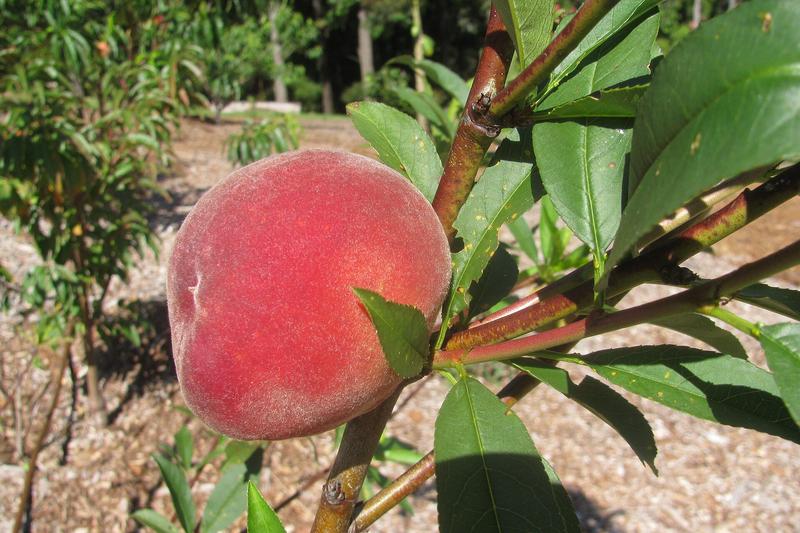
Quick facts
- Watering
- Weekly, daily when fruiting
- Sunlight
- Full sun
- Soil
- Well-drained, slightly acidic loam
- Humans
- Toxic
- Cats
- Toxic
- Dogs
- Toxic
- Height
- 200–500 cm
- Spread
- 200–400 cm
- Spacing
- 400–500 cm apart
About Peach
Peach is a deciduous fruit tree native to China, prized for its sweet, juicy fruits and attractive pink spring blossom. In the UK, peaches are typically grown as fan-trained specimens against warm, south-facing walls or in glasshouses to ensure reliable cropping in our cooler climate. The trees produce fuzzy-skinned fruits in late summer, with varieties bred specifically for British conditions offering the best chance of success. Compact dwarf varieties are also available for container growing on patios and in smaller gardens.
UK fact: Peaches were grown in Britain as early as the 16th century in walled kitchen gardens, where the sheltered microclimates and heat-retaining brick walls created ideal conditions for ripening fruit—a technique still recommended by the RHS today.
Watering Peach
Establish a consistent watering regime from spring through summer, providing approximately 20-25 litres weekly for established trees. During fruit development from June to August, increase watering to daily in dry weather to prevent fruits from splitting or dropping prematurely. Container-grown peaches require daily watering throughout summer. Reduce watering after harvest and keep relatively dry during winter dormancy, though never allow the root zone to completely dry out.
Sunlight requirements
Position against a south or south-west facing wall for maximum warmth and protection from cold winds. In southern England, free-standing trees may succeed in sheltered gardens, but fan-trained specimens against warm walls are most reliable. Glasshouse cultivation is recommended in northern regions and Scotland to ensure adequate heat for fruit ripening.
Soil and feeding
Grow in deep, fertile loam enriched with well-rotted organic matter to retain moisture whilst ensuring good drainage. Peaches prefer a slightly acidic to neutral pH of 6.0-7.0, though they tolerate a range of soil types provided drainage is excellent. Heavy clay soils should be improved with grit and organic matter, or consider raised beds. For wall-trained specimens, prepare a planting area at least 45cm from the wall base to avoid the rain shadow and dry soil.
Apply a balanced general fertiliser in late February, followed by a high-potash feed (such as tomato fertiliser) every fortnight from late spring until fruits begin to ripen. Mulch around the base with well-rotted manure or compost in early spring to suppress weeds and retain moisture. Avoid excessive nitrogen feeding which promotes leafy growth at the expense of fruit production.
Pruning Peach
Prune established peaches twice annually: in early spring as buds break to remove dead, diseased or crossing branches, and in summer after fruiting to maintain the fan shape and encourage new fruiting wood. Never prune in winter when peaches are susceptible to silver leaf disease. For fan-trained trees, tie in new shoots to fill gaps and remove inward or outward-facing growth. Thin fruits in late May to one fruit every 10-15cm to ensure good size and prevent branch breakage.
Propagating Peach
Whilst peaches can be grown from stones extracted from ripe fruits, the resulting trees rarely produce fruit true to the parent and may take 4-6 years to bear fruit. For reliable cropping, purchase grafted trees on appropriate rootstocks such as 'St Julien A' for semi-vigorous growth or 'Pixy' for dwarf forms. Budding onto rootstocks in summer is the preferred propagation method for experienced gardeners. Stones should be stratified over winter if attempting seed propagation.
Common problems
Peach leaf curl is the most serious disease affecting peaches in the UK, causing distorted, reddened leaves and reduced vigour; prevent by covering trees with polythene from January to May to keep rain off emerging foliage. Aphids, particularly peach-potato aphids, can colonise new growth in spring, causing leaf distortion and transmitting viruses. Birds may damage ripening fruits, requiring netting protection from July onwards. Split fruits result from irregular watering, whilst fruit drop can be caused by late frosts damaging blossom or inadequate pollination in cold springs.
Spot a problem with your plant? Photograph the affected area using the Loam app and it will suggest the most likely cause and treatment.
Safety
- Humans
-
Toxic
Leaves, stones, and bark contain cyanogenic glycosides which release cyanide when chewed. The fruit flesh is safe to eat, but stones should never be consumed.
- Cats
-
Toxic
All parts except fruit flesh contain cyanogenic compounds that are toxic if ingested, causing vomiting, difficulty breathing, and potentially fatal poisoning.
- Dogs
-
Toxic
Stones, leaves, and stems contain cyanide compounds. Ingestion can cause vomiting, dilated pupils, difficulty breathing, and red mucous membranes. Seek veterinary attention immediately if consumed.
Toxicity information is for general guidance only. If a person or pet has been exposed to this plant and you are concerned, seek advice from a medical professional or vet.
Seasonal care calendar
Monthly care guide for Peach in the UK, based on average conditions.
| Month | Care tasks |
|---|---|
| January | Install rain covers over outdoor trees to prevent peach leaf curl. Check tree ties and supports on fan-trained specimens. |
| February | Apply balanced fertiliser around the root zone. Ensure rain covers remain in place. Begin pruning if buds are swelling. |
| March | Hand-pollinate blossom with a soft brush on warm days. Protect blossom from frost with fleece on cold nights. Complete pruning as buds break. |
| April | Continue hand-pollination if weather is cold. Watch for aphids on new growth and treat if necessary. Begin regular watering as growth accelerates. |
| May | Remove rain covers once leaf curl risk has passed. Thin fruitlets to one every 10-15cm. Apply high-potash feed fortnightly. Mulch with well-rotted compost. |
| June | Water daily in dry weather as fruits swell. Continue fortnightly feeding. Tie in new shoots on fan-trained trees. Monitor for aphids and red spider mite. |
| July | Maintain daily watering. Net ripening fruits against birds. Begin summer pruning after fruiting, removing old fruited wood. Harvest early varieties. |
| August | Harvest main crop as fruits ripen. Continue summer pruning and tying in new growth. Reduce watering frequency after harvest. Stop feeding. |
| September | Complete summer pruning. Harvest late varieties. Clear fallen leaves and fruits to reduce disease carryover. Reduce watering further. |
| October | Clear remaining fallen leaves and debris. Check tree ties and wall fixings. Apply autumn mulch if not done in spring. |
| November | Prepare rain covers for installation in late December. Order new trees for winter planting. Minimal watering required. |
| December | Install rain covers by month end to protect against peach leaf curl. Plant bare-root trees during mild spells. Keep relatively dry during dormancy. |
Frequently asked questions
- When should I prune my peach tree in the UK?
- Prune peach trees in early spring (April-May) when buds break and sap is rising, never in winter. This timing reduces risk of silver leaf and bacterial canker. Remove dead, crossing, or inward-facing branches, and shorten the previous year's growth by half to encourage fruiting wood. For fan-trained trees, prune in summer after fruiting to maintain shape.
- How do I know if my peach tree has a disease or pest problem?
- Common signs include curled red leaves (peach leaf curl), sticky foliage with distorted shoots (aphids), or oozing gum on branches (canker). Early identification is crucial for treatment. The Loam app can help diagnose peach tree problems from photos, provide personalised treatment advice, and send reminders for preventative care like fungicide spraying or protective covering.
- What type of soil and position do peach trees need?
- Peach trees thrive in well-drained, slightly acidic to neutral soil (pH 6.5-7.0) enriched with organic matter. Choose a warm, sheltered south or southwest-facing position protected from cold winds and late frosts. Avoid frost pockets and waterlogged sites. In heavy clay, improve drainage with grit and compost, or grow in raised beds or containers.
Got a question about growing Peach that isn't covered here? Ask the Garden Advisor in the Loam app. It knows your saved plants and local conditions.
Related plants
This page was compiled with AI assistance and reviewed by our team. .