Plum
Prunus domestica
Fruit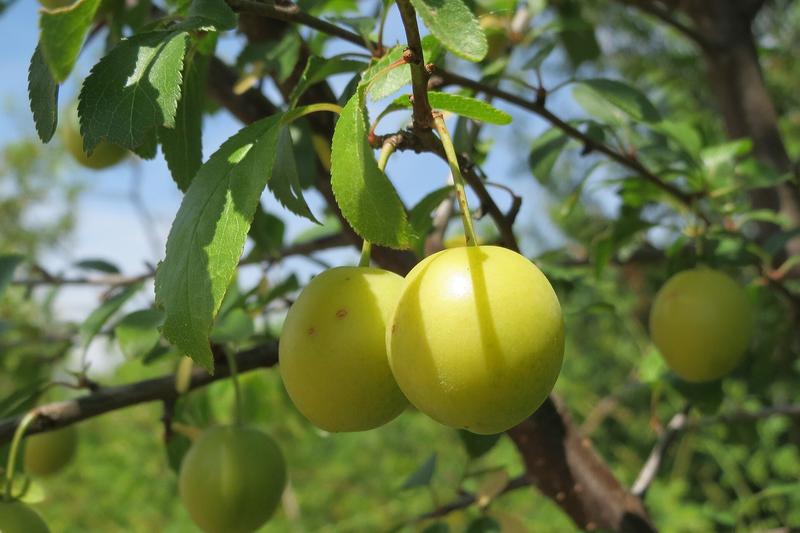
Quick facts
- Watering
- Weekly during fruiting
- Sunlight
- Full sun
- Soil
- Moist, well-drained, fertile loam
- Humans
- Toxic
- Cats
- Toxic
- Dogs
- Toxic
- Height
- 250–600 cm
- Spread
- 250–500 cm
- Spacing
- 300–500 cm apart
About Plum
Plum is a deciduous fruit tree bearing sweet or tart stone fruits in shades of purple, red, yellow, or green, with white blossom appearing in early spring. Native to Europe and western Asia, plums have been cultivated in Britain since Roman times and thrive in the UK's temperate climate. British gardeners prize plums for their reliable cropping, beautiful spring display, and versatility in cooking and preserving. Trees range from compact dwarf rootstocks suitable for small gardens to vigorous standards for orchards.
UK fact: The Victoria plum, raised in Sussex in the 1840s, remains Britain's most popular plum variety and is celebrated for its dual-purpose fruit that excels both for eating fresh and making jam.
Watering Plum
Established plum trees require consistent moisture during the growing season, particularly from flowering through to fruit ripening. Water deeply once or twice weekly during dry spells in summer, applying 20-30 litres per tree to encourage deep root growth. Mulch around the base in spring to retain moisture and suppress weeds, keeping mulch clear of the trunk. Reduce watering after harvest, though newly planted trees need regular watering throughout their first two years to establish properly.
Sunlight requirements
Position plum trees in full sun, ideally in a south or west-facing spot sheltered from cold northerly and easterly winds. In the UK, a warm wall or fence provides excellent protection for fan-trained specimens, helping to ripen fruit and protect early blossom from frost. Avoid heavily shaded positions as these result in poor fruiting and increased disease susceptibility.
Soil and feeding
Plums thrive in fertile, moisture-retentive loam with good drainage, performing well in most UK garden soils provided they don't become waterlogged in winter. The ideal pH is slightly acidic to neutral (6.0-7.0), though plums tolerate slightly alkaline conditions better than other stone fruits. Improve heavy clay soils with organic matter and grit, and enrich sandy soils with well-rotted manure or compost before planting. Avoid shallow, chalky soils which can cause lime-induced chlorosis and poor growth.
Apply a general-purpose fertiliser such as Growmore at 70g per square metre in late February, spreading it around the root zone. Supplement with sulphate of potash in early spring at 30g per square metre to improve fruit quality and winter hardiness. Mulch with well-rotted manure or compost in March to provide slow-release nutrients and retain moisture throughout the growing season.
Pruning Plum
Always prune plums during the growing season between late May and August when sap is rising, as wounds heal quickly and silver leaf spores are less active. For bush and standard trees, establish a balanced framework in the first few years, then maintain an open centre by removing crossing, rubbing, or inward-growing branches. Fan-trained trees require regular summer pruning to maintain shape, pinching back new shoots to five or six leaves. Remove any dead, diseased, or damaged wood immediately, cutting back to healthy tissue and sealing large wounds with pruning paint.
Propagating Plum
Home gardeners should purchase grafted trees on appropriate rootstocks rather than attempting propagation, as this ensures known fruiting characteristics and controlled tree size. Plums can be grafted using whip-and-tongue or chip budding techniques in late winter or summer respectively, though this requires skill and compatible rootstock. Suckers from the rootstock should be removed promptly as they won't produce the desired fruit. Semi-ripe cuttings of some plum varieties can be rooted in summer, but success rates are variable and trees may lack vigour without proper rootstock.
Common problems
Plum trees are susceptible to silver leaf disease, a serious fungal infection causing die-back that enters through wounds, making summer pruning essential for prevention. Plum fruit moth larvae tunnel into developing fruits causing premature drop, whilst aphids distort new growth and excrete sticky honeydew. Bacterial canker causes sunken patches on bark and shot-hole on leaves, particularly problematic in wet UK winters. Brown rot fungus affects ripening fruit, causing them to rot and mummify on the tree, and should be removed promptly to prevent spread.
Spot a problem with your plant? Photograph the affected area using the Loam app and it will suggest the most likely cause and treatment.
Safety
- Humans
-
Toxic
Plum stones, leaves, and bark contain amygdalin which releases cyanide when digested. The fruit flesh is safe and edible, but stones should never be consumed or cracked open.
- Cats
-
Toxic
All parts except the fruit flesh contain cyanogenic glycosides that are toxic to cats. Ingestion of leaves, bark, or stones can cause vomiting, difficulty breathing, and potentially fatal poisoning.
- Dogs
-
Toxic
Plum stones, leaves, and bark are toxic to dogs due to cyanide-releasing compounds. The stones also pose a choking hazard and can cause intestinal blockage. Fruit flesh is safe in small quantities.
Toxicity information is for general guidance only. If a person or pet has been exposed to this plant and you are concerned, seek advice from a medical professional or vet.
Seasonal care calendar
Monthly care guide for Plum in the UK, based on average conditions.
| Month | Care tasks |
|---|---|
| January | Check tree stakes and ties, ensuring they're secure but not constricting growth. Inspect for signs of disease or damage and prune out any dead wood if absolutely necessary. |
| February | Apply general-purpose fertiliser around the root zone. Mulch with well-rotted manure or compost, keeping it clear of the trunk. Complete any essential winter pruning before buds break. |
| March | Apply sulphate of potash to boost fruiting. Watch for early blossom and be prepared to protect with fleece if frost is forecast. Begin watering newly planted trees regularly. |
| April | Monitor for aphids on new growth and treat if necessary. Hand-pollinate blossom with a soft brush if weather is poor and pollinating insects scarce. Water young trees during dry spells. |
| May | Thin developing fruitlets if the crop is heavy, leaving plums 5-8cm apart. Continue watering, especially during dry weather. Watch for signs of plum fruit moth and consider pheromone traps. |
| June | Begin summer pruning to maintain shape and reduce disease risk. Water regularly as fruits swell, applying deep soaks. Net trees if birds are troublesome. Remove any diseased or damaged fruit. |
| July | Continue summer pruning and watering. Early varieties begin to ripen; harvest when fruits come away easily with a gentle twist. Support heavily laden branches with props to prevent breakage. |
| August | Harvest mid-season varieties as they ripen. Complete summer pruning by month end. Continue watering if weather is dry. Remove and destroy any fruits showing signs of brown rot. |
| September | Harvest late varieties. Clear fallen fruit promptly to reduce disease and pest problems. Reduce watering as harvest finishes. Check for signs of silver leaf disease. |
| October | Clear all remaining fruit and fallen leaves from around the tree. Apply grease bands to trunks to trap winter moths. Assess tree health and plan any necessary remedial work. |
| November | Plant new plum trees during dormancy, ensuring good soil preparation. Check stakes and ties on established trees. Remove any mummified fruits still hanging on branches. |
| December | Continue planting bare-root trees in frost-free conditions. Inspect trees for signs of disease or damage. Plan next year's pruning and maintenance schedule. |
Frequently asked questions
- When should I prune my plum tree?
- Always prune plums between late May and August when the tree is in active growth, never in winter. Summer pruning reduces the risk of silver leaf disease, as wounds heal quickly and fungal spores are less active in warm, dry weather. Remove dead, diseased, or crossing branches, and maintain an open centre for good air circulation.
- How do I know if my plum tree has a disease or pest problem?
- Common signs include silvery sheen on leaves (silver leaf disease), sticky leaves with black mould (aphids), holes in fruit (plum moth), or brown rot on ripening fruit. Identifying the specific problem early is crucial for effective treatment. The Loam app can help you diagnose issues by analysing photos of affected leaves or fruit, and provides personalised treatment recommendations based on your tree's specific symptoms and growing conditions.
- What type of soil do plum trees need?
- Plum trees thrive in deep, moisture-retentive but well-drained soil with a pH between 6.0 and 6.5. They tolerate heavier clay soils better than many fruit trees but struggle in waterlogged or very sandy conditions. Improve poor soil by incorporating organic matter before planting. Avoid shallow or chalky soils which can cause nutrient deficiencies. Mulch annually with well-rotted compost to maintain soil structure and moisture levels.
Got a question about growing Plum that isn't covered here? Ask the Garden Advisor in the Loam app. It knows your saved plants and local conditions.
Related plants
This page was compiled with AI assistance and reviewed by our team. .