Damson
Prunus insititia
Fruit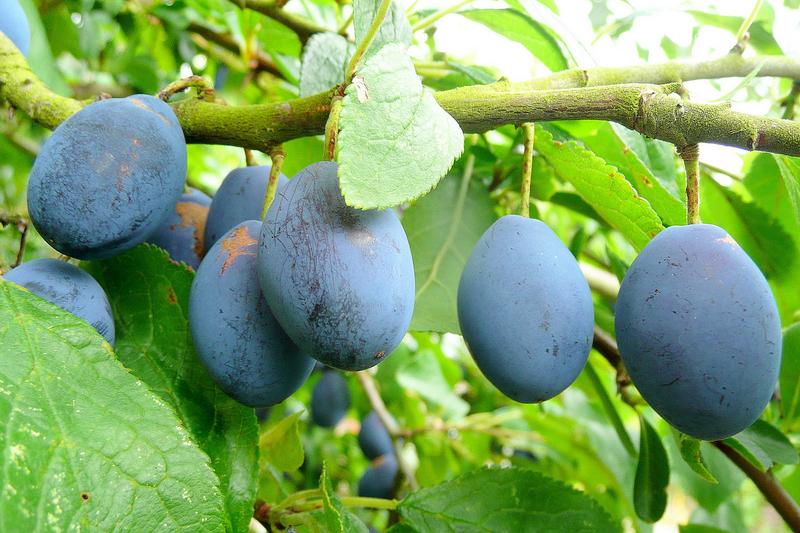
Quick facts
- Watering
- Weekly during fruit development
- Sunlight
- Full sun to partial shade
- Soil
- Well-drained, moisture-retentive loam
- Humans
- Toxic
- Cats
- Toxic
- Dogs
- Toxic
- Height
- 300–600 cm
- Spread
- 250–400 cm
- Spacing
- 400–500 cm apart
About Damson
Damson is a small, hardy plum tree bearing deep purple-blue fruits with a distinctive tart flavour, prized for jams, jellies, and traditional British gin-making. Native to Europe and naturalised across the UK for centuries, damsons are particularly associated with the Lyth and Winster valleys of Cumbria and the Shropshire hills. These compact, self-fertile trees are ideal for British gardens, thriving in cooler climates where dessert plums may struggle. Their profuse white spring blossom and reliable cropping make them a quintessential cottage garden fruit tree.
UK fact: The Westmorland Damson, grown in the Lyth Valley since the 1700s, is celebrated annually at the Damson Day festival in Cumbria, where traditional damson products from cheese to beer are showcased.
Watering Damson
Water young trees weekly during dry spells for the first two years to establish deep roots. Established damsons are drought-tolerant but benefit from consistent moisture from flowering through to harvest (April to September) to prevent fruit drop and ensure good size. In typical UK summers, rainfall is usually sufficient, but water deeply during prolonged dry periods, applying 20-30 litres per tree weekly. Avoid waterlogging, which can cause root rot.
Sunlight requirements
Damsons crop most heavily in full sun but tolerate partial shade better than most stone fruits, making them suitable for north-facing gardens or positions with morning sun only. In the UK, a south or west-facing aspect maximises fruit ripening and sweetness. Avoid deep shade, which reduces flowering and increases disease susceptibility.
Soil and feeding
Damsons thrive in deep, fertile loam with good drainage but consistent moisture retention. They tolerate a wide pH range from slightly acidic to slightly alkaline (pH 6.0-7.5), performing well in most British garden soils. Heavy clay is acceptable if drainage is improved with organic matter, but avoid waterlogged sites. Enrich poor soils with well-rotted manure or compost before planting, incorporating to at least 45cm depth.
Apply a balanced fertiliser such as Growmore (7-7-7) in early March at 70g per square metre around the root zone. Mulch annually in spring with well-rotted manure or compost to maintain soil fertility and moisture. Avoid high-nitrogen feeds after June, which promote soft growth susceptible to frost and disease.
Pruning Damson
Prune established damsons in late spring or summer (May to August) to minimise silver leaf disease risk, removing dead, diseased, or crossing branches. Formative pruning of young trees establishes an open-centred bush or pyramid shape over the first three years. Mature trees need minimal pruning beyond removing overcrowded growth and maintaining shape. Never prune in winter when silver leaf spores are most active.
Propagating Damson
Damsons are typically propagated by grafting onto rootstocks such as St Julien A (semi-dwarfing) or Pixy (dwarfing) to control size and ensure fruiting within 3-4 years. Grafting is best done in late winter or early spring using whip-and-tongue or chip budding techniques. Suckers from the rootstock should be removed promptly as they will not produce true damson fruit. Growing from stones is possible but trees take 5-7 years to fruit and may not come true to type.
Common problems
Silver leaf disease is the most serious threat, causing die-back and potentially killing trees; prune only in dry summer weather and remove infected wood immediately, cutting back to healthy tissue. Aphids, particularly damson-hop aphids, can distort new growth in spring; encourage natural predators or use organic sprays if severe. Plum moth caterpillars tunnel into ripening fruit in July and August; pheromone traps can reduce damage. Bacterial canker causes sunken lesions on bark and is more prevalent in wet conditions; improve drainage and avoid winter pruning wounds.
Spot a problem with your plant? Photograph the affected area using the Loam app and it will suggest the most likely cause and treatment.
Safety
- Humans
-
Toxic
Damson stones contain amygdalin, which releases cyanide when crushed or chewed. The fruit flesh is safe to eat, but stones should never be consumed.
- Cats
-
Toxic
Stones, leaves, and stems contain cyanogenic glycosides that are toxic to cats if ingested, causing difficulty breathing and potential collapse.
- Dogs
-
Toxic
Stones, leaves, and stems contain cyanogenic glycosides toxic to dogs, causing vomiting, difficulty breathing, and potentially fatal poisoning if consumed in quantity.
Toxicity information is for general guidance only. If a person or pet has been exposed to this plant and you are concerned, seek advice from a medical professional or vet.
Seasonal care calendar
Monthly care guide for Damson in the UK, based on average conditions.
| Month | Care tasks |
|---|---|
| January | Check tree stakes and ties; avoid pruning to prevent silver leaf infection. |
| February | Apply organic mulch around the base; protect blossom from late frosts with fleece if buds are swelling early. |
| March | Apply balanced fertiliser; watch for aphids on emerging leaves and treat if necessary. |
| April | Protect blossom from frost with fleece on cold nights; water young trees if dry. |
| May | Begin summer pruning if needed; thin fruitlets if crop is very heavy to improve size. |
| June | Water regularly during fruit development; continue light pruning to shape tree. |
| July | Hang pheromone traps for plum moth; water deeply during dry spells; prune if required. |
| August | Harvest ripe fruit for preserves; complete any pruning by month end. |
| September | Finish harvesting; collect and destroy fallen fruit to reduce pest overwintering. |
| October | Plant new damson trees; clear fallen leaves to reduce disease carryover. |
| November | Apply autumn mulch of well-rotted manure; check for signs of canker or disease. |
| December | No action needed; tree is dormant. |
Frequently asked questions
- When do damsons fruit in the UK?
- Damsons typically ripen from late August through September in the UK, depending on variety and location. The fruit is ready when deep purple-blue and slightly soft to touch, though many gardeners prefer to pick them slightly underripe for jam-making as the pectin content is higher.
- Why are my damson leaves turning yellow and dropping?
- Yellowing leaves can indicate waterlogging, nutrient deficiency, or disease such as bacterial canker. The Loam app can help diagnose the specific cause through photos and personalised care tracking, then provide tailored treatment advice for your tree's conditions.
- Do I need two damson trees for pollination?
- Most damson varieties are self-fertile and will produce fruit on their own, though yields may be heavier with a pollination partner nearby. Any other damson, plum, or gage flowering at the same time (typically April) will provide cross-pollination.
Got a question about growing Damson that isn't covered here? Ask the Garden Advisor in the Loam app. It knows your saved plants and local conditions.
Related plants
This page was compiled with AI assistance and reviewed by our team. .