Greengage
Prunus italica
Fruit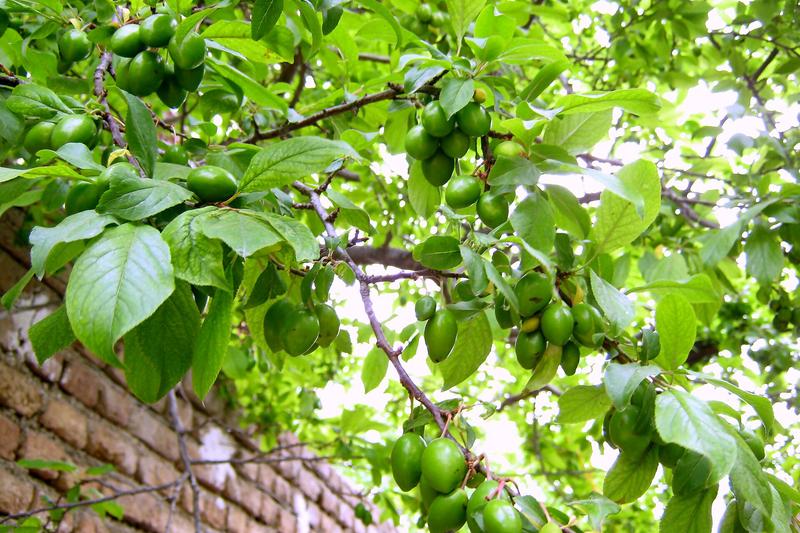
Quick facts
- Watering
- Weekly during fruit development
- Sunlight
- Full sun
- Soil
- Well-drained, fertile loam
- Humans
- Toxic
- Cats
- Toxic
- Dogs
- Toxic
- Height
- 300–500 cm
- Spread
- 300–400 cm
- Spacing
- 400–500 cm apart
About Greengage
Greengage is a sweet, aromatic plum variety prized for its honey-flavoured, greenish-yellow fruit and delicate texture. Originating from France but naturalised in British gardens since the 18th century, it thrives in the UK's temperate climate. British gardeners cherish greengages for their exceptional dessert quality and reliability in southern and central regions. The tree produces masses of white blossom in spring followed by translucent fruit in late summer.
UK fact: Greengages were introduced to England in the 1720s by Sir Thomas Gage of Hengrave Hall, Suffolk, and quickly became a favourite of the Victorian kitchen garden, with 'Cambridge Gage' and 'Old Greengage' remaining popular heritage varieties in British orchards today.
Watering Greengage
Water young trees regularly during their first two years to establish deep roots. Mature greengages are relatively drought-tolerant but benefit from consistent watering during fruit swelling in June and July to prevent splitting and encourage juicy fruit. In the UK, natural rainfall is usually sufficient except during dry spells. Apply 20-30 litres per week during prolonged summer drought, focusing water around the drip line rather than the trunk.
Sunlight requirements
Greengages require full sun to ripen fruit properly and develop their characteristic sweetness. In the UK, plant in a south or west-facing position sheltered from cold winds. A warm wall or fence provides ideal conditions in cooler northern regions, reflecting heat and protecting spring blossom from frost.
Soil and feeding
Greengages thrive in deep, fertile, well-drained soil with a pH of 6.0-7.0. They tolerate a range of soil types but perform best in moisture-retentive loam enriched with organic matter. Avoid waterlogged or very heavy clay soils, which can lead to root diseases and poor growth. On shallow or chalky soils, incorporate plenty of compost and mulch annually to improve depth and fertility.
Apply a balanced fertiliser such as Growmore at 70g per square metre in early March, spreading it around the root zone. Mulch with well-rotted manure or compost in late winter to suppress weeds and feed the soil. Avoid high-nitrogen feeds after June, which promote soft growth vulnerable to frost and disease.
Pruning Greengage
Prune established greengages in late spring or summer (May to August) to reduce the risk of silver leaf disease, never in winter. Remove dead, diseased, or crossing branches to maintain an open, goblet-shaped canopy that allows light and air circulation. Thin overcrowded fruiting spurs every few years to encourage larger fruit. Young trees require formative pruning to establish a strong framework of well-spaced branches.
Propagating Greengage
Greengages are typically propagated by grafting onto rootstock such as 'St Julien A' (semi-vigorous) or 'Pixy' (dwarfing) to control size and ensure fruiting within 3-4 years. Grafting is best done in late winter or early spring using scion wood from healthy, productive trees. Seed-grown greengages rarely come true to type and take many years to fruit. For home gardeners, purchasing certified grafted trees from reputable nurseries is the most reliable method.
Common problems
Greengages are susceptible to silver leaf disease, a serious fungal infection that causes die-back; prune only in dry summer weather and remove infected wood immediately. Plum aphids can distort young growth in spring; encourage natural predators or use organic sprays if severe. Brown rot causes fruit to rot on the tree, particularly in wet summers; remove and destroy affected fruit promptly. Birds, especially bullfinches, may damage flower buds in winter and eat ripening fruit in summer, so netting may be necessary.
Spot a problem with your plant? Photograph the affected area using the Loam app and it will suggest the most likely cause and treatment.
Safety
- Humans
-
Toxic
The leaves, stems, and stones contain cyanogenic glycosides which can release cyanide when chewed or digested. The fruit flesh is safe and edible when ripe.
- Cats
-
Toxic
All parts except ripe fruit flesh contain cyanogenic compounds that are toxic if ingested, causing vomiting, difficulty breathing, and potentially more serious symptoms.
- Dogs
-
Toxic
Leaves, stems, and stones contain cyanogenic glycosides which can cause vomiting, diarrhoea, difficulty breathing, and potentially fatal poisoning if consumed in quantity.
Toxicity information is for general guidance only. If a person or pet has been exposed to this plant and you are concerned, seek advice from a medical professional or vet.
Seasonal care calendar
Monthly care guide for Greengage in the UK, based on average conditions.
| Month | Care tasks |
|---|---|
| January | Check tree stakes and ties. Protect blossom buds from birds with netting if damage is severe. |
| February | Apply mulch of well-rotted manure around the base. Continue bird protection if necessary. |
| March | Apply balanced fertiliser around the root zone. Watch for aphids on emerging shoots. |
| April | Protect blossom from late frosts with fleece on cold nights. Monitor for aphid infestations. |
| May | Begin summer pruning if necessary to shape young trees. Water during dry spells. |
| June | Thin fruit if the crop is very heavy to improve size and prevent branch breakage. Water regularly. |
| July | Continue watering during fruit development. Net ripening fruit against birds and wasps. |
| August | Harvest ripe greengages when they yield to gentle pressure. Prune if needed while weather is dry. |
| September | Complete harvesting. Remove any rotted fruit from tree and ground to reduce disease. |
| October | Rake up fallen leaves to reduce overwintering pests and diseases. Check tree health. |
| November | Plant new greengage trees while soil is still workable. Stake securely. |
| December | Check stakes and ties on young trees. Avoid pruning to minimise silver leaf risk. |
Frequently asked questions
- When do greengages fruit in the UK?
- Greengages typically ripen in late August to early September in the UK, depending on variety and location. Southern gardens may see fruit ready from mid-August, while northern regions may wait until mid-September. The fruit is ready when it yields to gentle pressure and has a sweet aroma.
- Why is my greengage tree not producing fruit?
- Common causes include late spring frosts damaging blossom, insufficient pollination, over-vigorous growth from excess nitrogen, or the tree being too young (greengages typically fruit from 3-5 years old). The Loam app can help you track flowering times, set frost alerts, and create a personalised care schedule to improve fruiting.
- Do I need two greengage trees for pollination?
- Most greengage varieties are self-fertile and will produce fruit on their own, but yields are significantly improved with a compatible pollinator nearby. Good partners include other gages, plums, or damsons that flower at the same time. Plant within 25 metres for effective cross-pollination by bees.
Got a question about growing Greengage that isn't covered here? Ask the Garden Advisor in the Loam app. It knows your saved plants and local conditions.
Related plants
This page was compiled with AI assistance and reviewed by our team. .