Nectarine
Prunus persica var. nucipersica
Fruit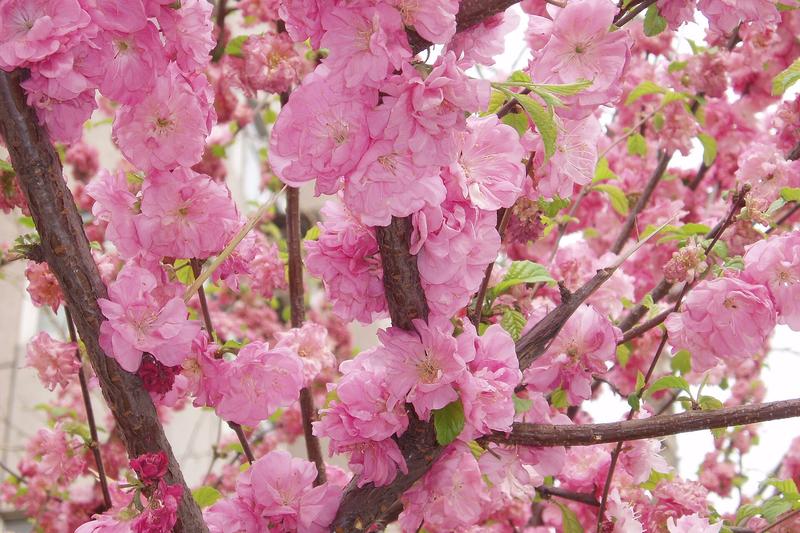
Quick facts
- Watering
- Weekly, daily when fruiting
- Sunlight
- Full sun
- Soil
- Well-drained, fertile, slightly acidic
- Humans
- Toxic
- Cats
- Toxic
- Dogs
- Toxic
- Height
- 200–400 cm
- Spread
- 200–400 cm
- Spacing
- 300–450 cm apart
About Nectarine
Nectarine is a smooth-skinned variant of the peach, producing sweet, aromatic fruit on a small to medium-sized deciduous tree with attractive pink blossoms in spring. Originating from China, nectarines have been cultivated in Britain since the 17th century, thriving particularly well when grown against warm, south-facing walls. UK gardeners prize nectarines for their delicious fruit and ornamental spring display, though they require careful siting and protection to crop reliably in our climate. Modern cultivars bred for cooler climates have made nectarine growing increasingly successful in southern and sheltered parts of Britain.
UK fact: Nectarines were grown in the walled gardens of grand British estates from the 1600s onwards, with the warm microclimates created by brick walls allowing gardeners to ripen fruit that would otherwise fail in the open British climate.
Watering Nectarine
Water regularly throughout the growing season, particularly during fruit development when consistent moisture is critical for preventing fruit drop and split fruits. Established trees need deep watering weekly during dry spells, increasing to daily watering during hot weather when fruits are swelling. Wall-trained specimens require more frequent watering as they're sheltered from rainfall and compete with the wall for moisture. Reduce watering after harvest but never allow the soil to dry out completely, as this stresses the tree and affects next year's crop.
Sunlight requirements
Nectarines require a warm, sheltered position in full sun to ripen fruit successfully in the UK climate. A south or south-west facing wall is ideal, providing both maximum sunlight and protection from cold winds and late frosts. In cooler regions, fan-training against a sunny wall is essential for reliable cropping, whilst in milder southern areas, free-standing trees can succeed in open, sunny positions.
Soil and feeding
Nectarines thrive in deep, fertile, well-drained soil with a slightly acidic to neutral pH of 6.0-7.0. Heavy clay soils must be improved with generous amounts of organic matter and grit to ensure adequate drainage, as waterlogged roots are prone to disease. Sandy soils benefit from incorporating well-rotted manure or compost to improve moisture retention and fertility. When planting against walls, dig a generous planting hole at least 45cm from the wall base and incorporate plenty of organic matter to counteract the dry conditions.
Feed in late winter with a balanced general fertiliser, then apply a high-potassium feed fortnightly from flowering until fruits begin to ripen to promote healthy fruit development. Mulch annually in spring with well-rotted manure or compost, keeping it clear of the trunk to prevent rot.
Pruning Nectarine
Prune established nectarines in early spring just as buds break, using the replacement pruning method for fan-trained trees by removing fruited wood and tying in new shoots. Free-standing trees require minimal pruning beyond removing dead, diseased, or crossing branches to maintain an open, goblet-shaped crown. Never prune in winter as this increases susceptibility to silver leaf and bacterial canker; always prune when the sap is rising and wounds heal quickly. Thin fruits in late spring to one fruit every 10-15cm once they reach hazelnut size, ensuring the remaining fruits develop to full size and sweetness.
Propagating Nectarine
Nectarines are typically propagated by budding or grafting onto rootstock rather than from seed, as seed-grown trees don't come true to type and take many years to fruit. Budding onto quince or plum rootstock in summer is the most reliable method for home gardeners, with rootstock choice determining the tree's final size. Semi-ripe cuttings can be attempted in late summer but success rates are low. For most UK gardeners, purchasing a grafted tree on appropriate rootstock from a reputable nursery is the most practical option, with trees usually fruiting within 2-3 years.
Common problems
Peach leaf curl is the most serious disease affecting nectarines in the UK, causing distorted, reddened leaves and weakening the tree; prevention requires covering wall-trained trees with polythene from mid-winter to late spring to keep rain off emerging leaves. Aphids colonise new growth in spring, secreting sticky honeydew and spreading viruses, whilst red spider mite can be problematic on wall-trained trees in hot, dry summers. Birds damage ripening fruit and buds, requiring netting protection, whilst brown rot causes fruits to rot on the tree during wet summers. Split fruits result from irregular watering, particularly during fruit development, and frost damage to flowers in spring is a common cause of crop failure in exposed sites.
Spot a problem with your plant? Photograph the affected area using the Loam app and it will suggest the most likely cause and treatment.
Safety
- Humans
-
Toxic
Leaves, stems, and stones contain cyanogenic glycosides that release cyanide when chewed or digested. The fruit flesh is safe to eat.
- Cats
-
Toxic
All parts except fruit flesh contain cyanogenic compounds that can cause vomiting, difficulty breathing, and potentially fatal poisoning if ingested.
- Dogs
-
Toxic
Leaves, stems, and particularly stones are toxic, containing cyanide compounds. Ingestion can cause vomiting, dilated pupils, difficulty breathing, and shock.
Toxicity information is for general guidance only. If a person or pet has been exposed to this plant and you are concerned, seek advice from a medical professional or vet.
Seasonal care calendar
Monthly care guide for Nectarine in the UK, based on average conditions.
| Month | Care tasks |
|---|---|
| January | Erect polythene covers over wall-trained trees to prevent peach leaf curl. Check tree ties and stakes on young trees. |
| February | Maintain polythene rain shelter. Apply general fertiliser around the root zone. Begin winter pruning if buds are swelling. |
| March | Hand-pollinate flowers with a soft brush during dry weather. Protect blossom from frost with fleece on cold nights. Begin fortnightly high-potassium feeding. |
| April | Remove polythene covers once risk of peach leaf curl has passed. Continue frost protection if needed. Water regularly as fruits begin to form. |
| May | Thin fruitlets to one every 10-15cm when hazelnut-sized. Continue high-potassium feeding. Water regularly, especially wall-trained trees. |
| June | Water daily during hot, dry weather. Continue feeding. Prune fan-trained trees, tying in new shoots and removing unwanted growth. |
| July | Harvest early varieties when fruits soften and come away easily. Net trees to protect ripening fruit from birds. Maintain daily watering. |
| August | Harvest main crop when fully ripe. Continue watering. Remove fruited wood on fan-trained trees and tie in replacement shoots. |
| September | Harvest late varieties. Reduce watering frequency. Remove any mummified fruits to prevent brown rot overwintering. |
| October | Clear fallen leaves and fruit to reduce disease carryover. Apply autumn mulch of well-rotted manure around the root zone. |
| November | Check tree ties and supports. Remove any remaining diseased or damaged wood. Reduce watering as tree becomes dormant. |
| December | Plan to erect rain shelters for peach leaf curl protection. Order rootstocks if propagating. Minimal watering required. |
Frequently asked questions
- When should I prune my nectarine tree in the UK?
- Prune nectarines in early spring as buds break, never in winter. This timing reduces the risk of silver leaf and bacterial canker, which enter through pruning wounds. For fan-trained trees, prune in spring and again after fruiting in summer to remove fruited wood and tie in replacement shoots.
- Why are my nectarine leaves curling and turning red?
- This is almost certainly peach leaf curl, a fungal disease that's very common on nectarines in the UK. The Loam app can help you identify the problem with photos and set reminders to cover your tree with polythene from January to April next year to prevent reinfection.
- Can I grow a nectarine tree in a container?
- Yes, nectarines grow well in large containers (at least 45cm diameter) using a dwarf rootstock such as 'Pixy'. Container-grown trees are easier to move under cover for winter protection against peach leaf curl and can be positioned in the sunniest spot. Use soil-based compost, water daily in summer, and feed regularly during the growing season.
Got a question about growing Nectarine that isn't covered here? Ask the Garden Advisor in the Loam app. It knows your saved plants and local conditions.
Related plants
This page was compiled with AI assistance and reviewed by our team. .