Bird Cherry
Prunus padus
Trees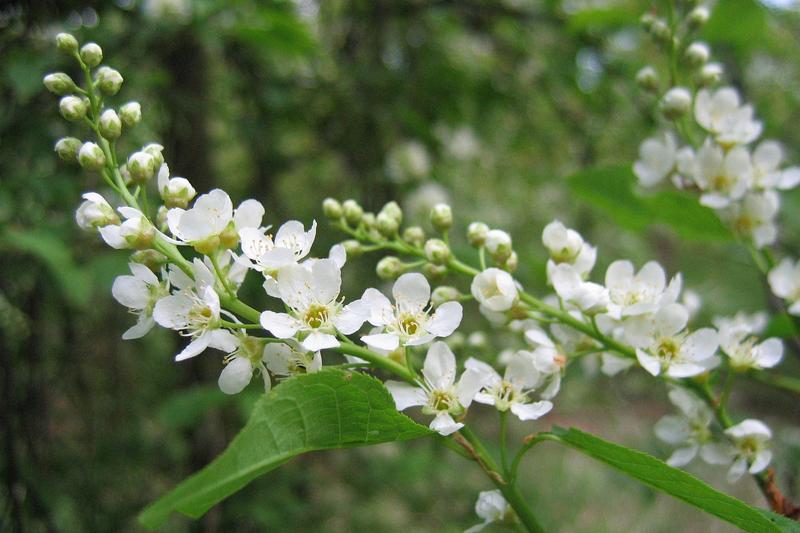
Quick facts
- Watering
- Weekly when young, minimal once established
- Sunlight
- Full sun to partial shade
- Soil
- Moist, well-drained, slightly acidic
- Humans
- Toxic
- Cats
- Toxic
- Dogs
- Toxic
- Height
- 800–1500 cm
- Spread
- 500–800 cm
- Spacing
- 600–800 cm apart
About Bird Cherry
Bird Cherry is a graceful, deciduous native British tree reaching 8–15 metres, prized for its profusion of fragrant white flowers in drooping racemes during late spring. Native to the UK and widespread across northern Europe and Asia, it produces small black cherries in summer that are beloved by birds. UK gardeners value it as a wildlife-friendly ornamental tree that thrives in cooler, damper regions and naturalises beautifully in woodland gardens and hedgerows.
UK fact: Bird Cherry is one of Britain's native cherry species and has been used historically in Scottish and northern English hedgerows, where its bitter fruits were occasionally used to flavour spirits and liqueurs.
Watering Bird Cherry
Water young trees weekly during their first two growing seasons, particularly during dry spells between April and September. Once established, Bird Cherry is remarkably drought-tolerant and rarely requires supplementary watering in most UK regions. Trees in free-draining soils or during prolonged summer droughts may benefit from occasional deep watering. Avoid waterlogging, though this species tolerates damp conditions better than most Prunus.
Sunlight requirements
Bird Cherry performs best in full sun but tolerates partial shade, particularly in warmer southern counties where some afternoon shade prevents stress. In northern and Scottish gardens, plant in the sunniest position available to maximise flowering. Avoid deep shade, which reduces flower production and encourages leggy growth.
Soil and feeding
Bird Cherry thrives in moist, fertile, well-drained soils with a slightly acidic to neutral pH (5.5–7.0). It tolerates a wide range of soil types including clay, loam, and sandy soils, and is more accepting of damp conditions than many cherries. Improve heavy clay with organic matter to aid drainage, and mulch annually with well-rotted compost or leaf mould to retain moisture and suppress weeds. Avoid very dry, shallow, or chalky soils where the tree may struggle.
Apply a balanced slow-release fertiliser such as blood, fish and bone in early spring around the root zone of young trees to encourage establishment. Mature trees in reasonably fertile soil rarely require feeding. Mulch annually with organic matter to maintain soil fertility and structure.
Pruning Bird Cherry
Prune Bird Cherry only when absolutely necessary, ideally in mid to late summer (July–August) to minimise risk of silver leaf disease and bacterial canker. Remove dead, diseased, or crossing branches to maintain an open crown and good air circulation. Avoid heavy pruning as this species resents it; formative pruning of young trees should establish a clear leader and well-spaced framework. Always use clean, sharp tools and seal large cuts if necessary.
Propagating Bird Cherry
Bird Cherry can be propagated from seed, which requires cold stratification over winter; collect ripe fruits in late summer, remove the flesh, and sow seeds in pots outdoors in autumn. Germination occurs the following spring but can be erratic. Semi-ripe cuttings taken in late summer may root with bottom heat and rooting hormone, though success rates are variable. Grafting onto rootstocks is the preferred method for cultivars, typically performed in late winter.
Common problems
Bird Cherry is susceptible to silver leaf disease and bacterial canker, both serious fungal and bacterial infections that cause dieback; prune only in summer and remove affected branches promptly. Aphids, particularly cherry blackfly, can infest new growth in spring, causing leaf curl and sooty mould; treat with organic sprays or encourage natural predators. The tree can sucker prolifically from the roots, which may become invasive in smaller gardens and require regular removal.
Spot a problem with your plant? Photograph the affected area using the Loam app and it will suggest the most likely cause and treatment.
Safety
- Humans
-
Toxic
Leaves, seeds, and bark contain cyanogenic glycosides that release cyanide when chewed or digested. The fruit flesh is edible but very bitter; seeds must not be consumed.
- Cats
-
Toxic
All parts of the tree contain cyanogenic glycosides that are toxic to cats if ingested, causing vomiting, difficulty breathing, and potentially fatal poisoning.
- Dogs
-
Toxic
All parts of the tree contain cyanogenic glycosides that are toxic to dogs if ingested, causing vomiting, difficulty breathing, and potentially fatal poisoning.
Toxicity information is for general guidance only. If a person or pet has been exposed to this plant and you are concerned, seek advice from a medical professional or vet.
Seasonal care calendar
Monthly care guide for Bird Cherry in the UK, based on average conditions.
| Month | Care tasks |
|---|---|
| January | No action needed; tree fully dormant. |
| February | Check tree stakes and ties; adjust if necessary to prevent damage. |
| March | Apply balanced fertiliser around young trees and refresh mulch layer. |
| April | Monitor for aphid infestations on emerging foliage; treat if necessary. |
| May | Enjoy the fragrant white flower racemes; water young trees during dry spells. |
| June | Continue watering young trees; watch for early signs of disease. |
| July | Prune if necessary to remove dead or diseased wood; fruits begin to ripen. |
| August | Complete any essential pruning; birds will feed on ripe black cherries. |
| September | Collect ripe seeds for propagation if desired; reduce watering. |
| October | Remove and dispose of any fallen diseased leaves to reduce infection risk. |
| November | Apply autumn mulch; remove unwanted suckers from around the base. |
| December | No action needed; tree entering dormancy. |
Frequently asked questions
- When does Bird Cherry flower in the UK?
- Bird Cherry typically flowers in late April to May across most of the UK, producing fragrant white flowers in long, drooping racemes. Flowering may occur slightly earlier in milder southern regions and later in Scotland and northern England. The blossom display usually lasts 2–3 weeks and is followed by small black cherries in late summer.
- Why is my Bird Cherry producing lots of suckers?
- Bird Cherry naturally produces root suckers, which can become invasive in smaller gardens. Regular removal by cutting or pulling when young helps control spread. If suckering becomes problematic, the Loam app can help you track removal schedules and identify whether root disturbance or stress is exacerbating the issue.
- Can I grow Bird Cherry in a small garden?
- Bird Cherry can reach 10–15 metres tall with a spread of 5–8 metres, making it too large for most small gardens. It also produces vigorous root suckers that can spread widely. Consider smaller ornamental cherries like Prunus 'Amanogawa' or Prunus incisa for confined spaces, or plant Bird Cherry only if you have ample room and can manage suckering.
Got a question about growing Bird Cherry that isn't covered here? Ask the Garden Advisor in the Loam app. It knows your saved plants and local conditions.
Related plants
This page was compiled with AI assistance and reviewed by our team. .