Silver Birch
Betula pendula
Trees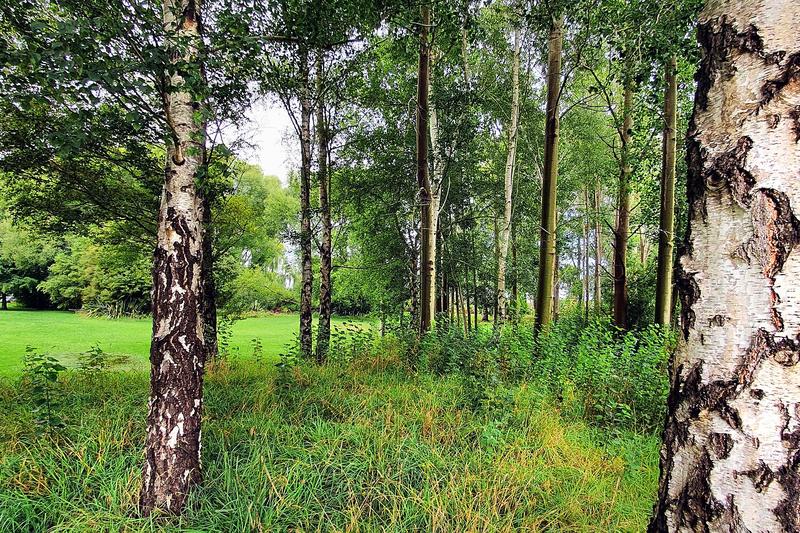
Quick facts
- Watering
- Weekly when young, minimal once established
- Sunlight
- Full sun to partial shade
- Soil
- Well-drained, acidic to neutral
- Humans
- Safe
- Cats
- Safe
- Dogs
- Safe
- Height
- 1200–2500 cm
- Spread
- 600–1000 cm
- Spacing
- 800–1200 cm apart
About Silver Birch
Silver Birch is a graceful, fast-growing native British tree renowned for its distinctive white bark and delicate, pendulous branches that create dappled shade. Growing wild across much of the UK, from Scottish highlands to southern woodlands, it thrives in our temperate climate and poor soils where many trees struggle. British gardeners value it for its year-round architectural interest, golden autumn colour, and ability to support native wildlife. The elegant form and relatively modest size make it suitable for medium to large gardens, where it serves as a stunning specimen tree.
UK fact: Silver Birch is one of Britain's most ecologically important native trees, supporting over 300 insect species and providing essential habitat for birds including woodpeckers, siskins, and redpolls that feed on its seeds and insects.
Watering Silver Birch
Water newly planted trees weekly during dry spells in their first growing season, providing 20-30 litres per session to encourage deep root establishment. In the second year, reduce to fortnightly watering during prolonged dry periods. Once established after 2-3 years, Silver Birch rarely needs supplementary watering in most UK regions, though trees may benefit from occasional deep watering during exceptional droughts. Their naturally shallow root system means they access moisture efficiently from typical British rainfall.
Sunlight requirements
Plant in an open, sunny position for the most vigorous growth and best bark colour development. In British gardens, avoid planting on the north side of buildings or under larger trees where reduced light will create spindly growth. Silver Birch tolerates partial shade but may develop a more open canopy and less vibrant autumn foliage in shadier spots.
Soil and feeding
This adaptable native prefers acidic to neutral soils (pH 4.5-7.0) and excels in light, sandy, or gravelly substrates with good drainage. Silver Birch tolerates poor, infertile ground and even shallow soils over chalk, though growth may be slower on alkaline sites. Avoid heavy clay that remains waterlogged in winter, as this can lead to root rot and poor establishment. The tree's natural habitat includes heathlands and moorlands, so it performs exceptionally well in the acidic soils common across much of Scotland, Wales, and western Britain.
Apply a balanced slow-release fertiliser such as blood, fish and bone in early spring only for the first two years after planting to support establishment. Mature trees require no supplementary feeding and actually perform better in nutrient-poor conditions. Over-feeding can promote excessive soft growth susceptible to aphid attack and reduce the tree's natural hardiness.
Pruning Silver Birch
Silver Birch bleeds sap profusely if pruned in spring, so restrict all pruning to late July through to December when the tree is less active. Remove any dead, diseased, or damaged wood, and thin crossing branches to maintain an open, graceful canopy. Young trees benefit from formative pruning to establish a clear central leader and well-spaced framework. Mature specimens rarely need pruning beyond removing lower branches for clearance or safety, as the natural pendulous habit is self-maintaining.
Propagating Silver Birch
Seed is the most reliable propagation method for Silver Birch, collected from the small catkins that ripen in late summer to early autumn. Sow fresh seed immediately, as viability decreases rapidly with storage. Softwood cuttings taken in early summer occasionally root but success rates are low. Grafting is used commercially for selected cultivars but is impractical for home gardeners.
Common problems
Silver Birch is susceptible to aphid infestations in late spring and summer, which cause sticky honeydew and sooty mould on leaves and surfaces below; these rarely require treatment as natural predators usually control populations. Birch dieback, caused by various fungal pathogens, can affect stressed trees, leading to branch death and decline; ensure good drainage and avoid root disturbance to minimise risk. Bronze birch borer is an emerging threat in southern England, with larvae tunnelling under bark and potentially killing trees; there is no effective treatment, so maintain tree vigour through appropriate siting and watering. Older trees may develop bracket fungi on the trunk, indicating internal decay, though affected trees can remain stable for many years.
Spot a problem with your plant? Photograph the affected area using the Loam app and it will suggest the most likely cause and treatment.
Safety
- Humans
- Safe
- Cats
- Safe
- Dogs
- Safe
Toxicity information is for general guidance only.
Seasonal care calendar
Monthly care guide for Silver Birch in the UK, based on average conditions.
| Month | Care tasks |
|---|---|
| January | Inspect tree structure and remove any dead or damaged branches during dormancy. Avoid pruning live wood to prevent sap bleeding. |
| February | Complete any structural pruning before sap begins to rise in late winter. Check stakes and ties on young trees after winter gales. |
| March | Apply blood, fish and bone around young trees if needed. Avoid all pruning as sap flow begins and trees will bleed heavily. |
| April | Watch for emerging leaves and catkins. Begin weekly watering of newly planted trees if rainfall is insufficient. |
| May | Monitor for aphid colonies on new growth. Enjoy the fresh lime-green foliage and developing seed catkins. |
| June | Continue watering young trees during dry spells. Check for signs of leaf miners or sawfly damage on foliage. |
| July | Pruning window opens from late July onwards. Remove any dead wood or crossing branches as needed. |
| August | Continue pruning if required. Water young trees during prolonged dry periods to prevent stress. |
| September | Collect ripe seed from catkins for propagation. Foliage begins to turn golden yellow as autumn approaches. |
| October | Enjoy spectacular autumn colour. Plant new bare-root or container-grown trees. Complete seed collection before catkins disintegrate. |
| November | Continue planting bare-root trees. Rake up fallen leaves if desired, though leaving them creates valuable habitat for wildlife. |
| December | Admire the striking white bark, especially beautiful in winter light. Complete any remaining pruning before year end. |
Frequently asked questions
- When should I prune my Silver Birch without it bleeding?
- Prune only between late July and December to avoid sap bleeding. Silver Birch bleed heavily if cut during the growing season from March to June, which weakens the tree and creates entry points for disease. Late summer through winter is the safe pruning window.
- Why is my Silver Birch losing leaves in summer?
- Summer leaf drop is usually caused by drought stress, as Silver Birch have shallow roots that dry out quickly in hot weather. Water young trees weekly during dry spells, providing 20-30 litres per session. If you're unsure whether your tree needs watering or notice other symptoms, the Loam app can help diagnose problems and send you personalised care reminders based on weather conditions in your area.
- How do I grow Silver Birch from seed?
- Collect fresh seed in late summer when catkins turn brown, then sow immediately on the surface of moist seed compost without covering, as birch seed needs light to germinate. Keep at 15-20°C in a bright spot. Germination occurs within 2-4 weeks. Pot on seedlings individually once large enough to handle, and grow on for at least two years before planting out in autumn or early spring.
Got a question about growing Silver Birch that isn't covered here? Ask the Garden Advisor in the Loam app. It knows your saved plants and local conditions.
Related plants
This page was compiled with AI assistance and reviewed by our team. .