Hazel
Corylus avellana
Trees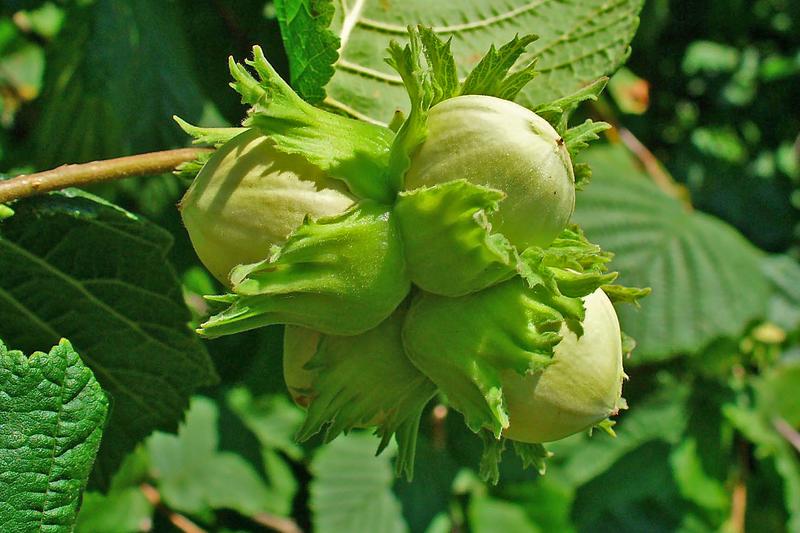
Quick facts
- Watering
- Weekly when young, then rainfall
- Sunlight
- Full sun to partial shade
- Soil
- Moist, well-drained, fertile loam
- Humans
- Safe
- Cats
- Safe
- Dogs
- Safe
- Height
- 400–600 cm
- Spread
- 400–500 cm
- Spacing
- 400–500 cm apart
About Hazel
Hazel is a native British deciduous tree or large shrub prized for its edible nuts, attractive catkins, and wildlife value. Growing 4–6 metres tall, it produces dangling yellow catkins in late winter followed by clusters of hazelnuts in autumn. UK gardeners value hazel for hedging, coppicing, and as a traditional woodland plant that supports dormice, woodpeckers, and numerous invertebrates. Its flexible stems have been used for centuries in British crafts including hurdle-making and thatching spars.
UK fact: Hazel has been coppiced in British woodlands for over 6,000 years, with evidence from Neolithic trackways showing its importance in traditional land management, and it remains a key species in ancient woodland conservation across the UK.
Watering Hazel
Young hazel trees require regular watering during their first year, particularly during dry spells between April and September. Apply 10–15 litres weekly around the root zone, increasing frequency during prolonged dry periods. Once established after 2–3 years, hazel develops a deep root system and copes well with typical British rainfall, rarely requiring supplementary watering except during severe summer droughts. Mulching with organic matter helps retain soil moisture and reduces watering needs.
Sunlight requirements
Plant hazel in full sun for maximum nut yield, though it naturally tolerates dappled shade as an understorey woodland species. In UK gardens, a south or west-facing position produces the heaviest crops, but hazel will grow happily in light shade where it may become slightly more open in habit. Avoid deep shade under dense evergreen canopies where growth becomes weak and straggly.
Soil and feeding
Hazel thrives in deep, fertile loam that retains moisture without becoming waterlogged, making it well-suited to most British garden soils. It tolerates pH from 5.5 to 8.0, growing successfully on both acidic and chalky soils, though it performs best in neutral to slightly alkaline conditions. Improve poor soils by incorporating well-rotted compost or manure before planting. Avoid very heavy clay that remains waterlogged in winter, as this can lead to root rot, though hazel tolerates seasonal dampness better than many trees.
Feed hazel in February or early March with a general-purpose fertiliser such as blood, fish and bone at 100g per square metre around the root zone. Alternatively, apply a 5–7cm layer of well-rotted farmyard manure or garden compost as a mulch, which feeds the tree gradually whilst improving soil structure. Established hazels in fertile soil may not require annual feeding, but coppiced specimens benefit from regular applications to support vigorous regrowth.
Pruning Hazel
Prune hazel between November and March while fully dormant, ideally in late winter before catkins fully develop. Remove dead, damaged, or crossing branches to maintain an open structure and improve air circulation. For nut production, thin out overcrowded stems to allow light penetration, cutting back to a main branch or the base. Traditional coppicing involves cutting all stems to ground level every 7–10 years in rotation, which rejuvenates the plant and produces straight poles for crafts. Avoid summer pruning as this removes developing nuts and can encourage excessive sap bleeding.
Propagating Hazel
Hazel propagates readily from fresh nuts planted in autumn, though squirrels often take them before germination. Layering is reliable: peg a low branch to the ground in spring and it will root within 12–18 months. Suckers arising from the base can be separated in winter with a sharp spade, ensuring each has roots attached. Hardwood cuttings taken in winter have moderate success rates of around 40–50%. Grafting named cultivars onto seedling rootstocks in late winter ensures true-to-type plants with superior nut quality.
Common problems
Hazel is generally trouble-free but can suffer from powdery mildew in dry summers, appearing as white powder on leaves—improve air circulation and avoid overhead watering. Nut weevils lay eggs in developing nuts, causing larvae to tunnel through kernels; collect and destroy affected nuts promptly. Squirrels and jays are the main pests, taking nuts before harvest—netting or cages are the only effective protection. Hazel big bud mite causes buds to swell abnormally and fail to open; prune out affected buds in winter and destroy them to prevent spread.
Spot a problem with your plant? Photograph the affected area using the Loam app and it will suggest the most likely cause and treatment.
Safety
- Humans
- Safe
- Cats
- Safe
- Dogs
- Safe
Toxicity information is for general guidance only.
Seasonal care calendar
Monthly care guide for Hazel in the UK, based on average conditions.
| Month | Care tasks |
|---|---|
| January | Prune established trees if needed. Apply well-rotted manure as mulch around the base. Check stakes and ties on young trees. |
| February | Catkins begin to elongate and shed pollen. Complete any pruning before catkins fully open. Apply blood, fish and bone fertiliser. |
| March | Catkins at their peak. Tiny red female flowers appear. Plant bare-root specimens. Begin layering for propagation. |
| April | Fresh leaves emerge. Water newly planted trees weekly. Mulch to suppress weeds and retain moisture. |
| May | Foliage fully developed. Monitor for powdery mildew in dry weather. Continue watering young trees during dry spells. |
| June | Young nuts developing. Ensure adequate water during dry periods to support nut formation. Check for aphids on new growth. |
| July | Nuts swelling inside green husks. Water during prolonged dry spells. Monitor for nut weevil damage. |
| August | Nuts maturing and husks beginning to turn brown. Prepare netting to protect from squirrels if necessary. |
| September | Harvest ripe nuts as husks turn brown and nuts fall naturally. Collect fresh nuts for propagation. Net trees to prevent squirrel damage. |
| October | Complete nut harvest. Sow fresh nuts outdoors for propagation. Leaves begin to turn yellow and fall. |
| November | Leaves falling. Plant bare-root trees. Begin winter pruning once fully dormant. Coppice if required. |
| December | Fully dormant. Continue planting and pruning during mild spells. Remove suckers if not wanted for propagation. |
Frequently asked questions
- When should I prune hazel trees?
- Prune hazel between November and March when fully dormant. Remove dead, damaged, or crossing branches to maintain an open structure. For coppicing, cut all stems to within 5–10cm of ground level every 7–10 years to encourage vigorous multi-stemmed regrowth for traditional crafts or rejuvenation.
- Why are my hazel leaves turning yellow?
- Yellowing hazel leaves can indicate several issues including nutrient deficiency (particularly nitrogen or iron), waterlogging, drought stress, or pest problems such as aphids. Check soil moisture and drainage first. For accurate diagnosis of leaf problems and personalised care advice, the Loam app can help identify the specific cause and recommend treatment.
- What soil does hazel prefer?
- Hazel thrives in moist but well-drained soil and tolerates a wide pH range from slightly acidic to alkaline (pH 5.5–7.5). It performs best in fertile loam but adapts to clay or sandy soils. Avoid waterlogged sites, as hazel dislikes permanently wet roots. Mulch annually with organic matter to retain moisture and improve soil structure.
Got a question about growing Hazel that isn't covered here? Ask the Garden Advisor in the Loam app. It knows your saved plants and local conditions.
Related plants
This page was compiled with AI assistance and reviewed by our team. .