Stevia
Stevia rebaudiana
Herbs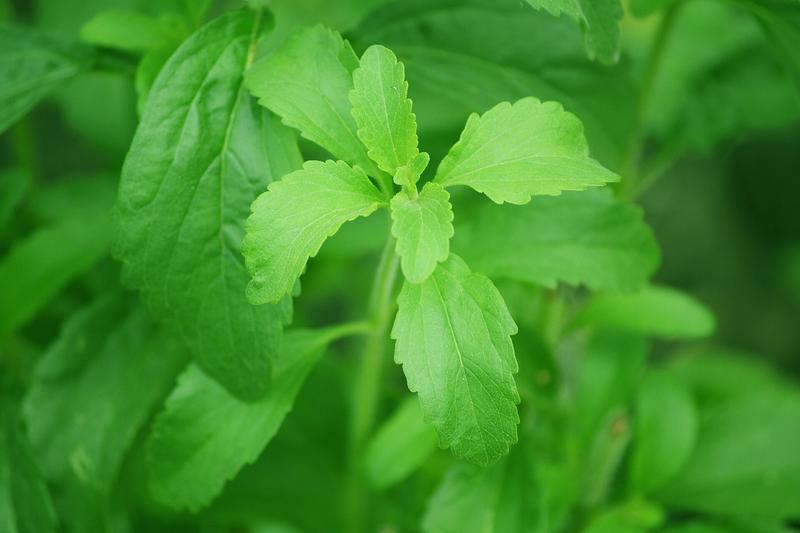
Quick facts
- Watering
- 2–3 times weekly in summer
- Sunlight
- Full sun to partial shade
- Soil
- Well-drained, fertile, slightly acidic
- Humans
- Safe
- Cats
- Safe
- Dogs
- Safe
- Height
- 60–90 cm
- Spread
- 30–45 cm
- Spacing
- 30–40 cm apart
About Stevia
Stevia is a tender perennial herb native to South America, prized for its intensely sweet leaves that contain natural compounds up to 300 times sweeter than sugar. Growing 60–90 cm tall, it produces small white flowers and serrated green leaves that can be harvested fresh or dried for use as a natural sweetener. In the UK, stevia is typically grown as a summer annual outdoors or as a container plant that can be overwintered indoors. British gardeners value it as a homegrown alternative to refined sugar, perfect for those seeking natural sweetness in teas, desserts, and preserves.
UK fact: Stevia remains tender in the UK climate and must be protected from frost, making it ideal for south-facing patios and conservatories where it can benefit from maximum warmth and light during our shorter growing season.
Watering Stevia
Keep the soil consistently moist but never waterlogged, as stevia is sensitive to both drought and overwatering. During the UK growing season from May to September, water 2–3 times weekly, increasing frequency during hot spells. Container-grown plants dry out more quickly and may need daily watering in warm weather. Reduce watering significantly if overwintering indoors, allowing the top 2–3 cm of soil to dry between waterings.
Sunlight requirements
Stevia thrives in full sun but appreciates some afternoon shade during the hottest UK summer days, particularly in southern regions. A south or west-facing position is ideal, providing at least 6 hours of direct sunlight daily. In cooler northern areas, maximise sun exposure by placing containers against warm walls or in sheltered spots that retain heat.
Soil and feeding
Stevia prefers a light, well-drained soil enriched with organic matter and a slightly acidic to neutral pH of 6.0–7.0. A peat-free multipurpose compost mixed with perlite or horticultural grit (3:1 ratio) works excellently for container cultivation. In garden beds, improve heavy clay soils with generous amounts of well-rotted compost and sharp sand to ensure good drainage. Avoid waterlogged conditions, which quickly lead to root rot in this tender herb.
Feed container-grown stevia fortnightly from May to September with a balanced liquid fertiliser diluted to half strength, as excessive nitrogen can reduce leaf sweetness. Plants grown in enriched garden soil require less frequent feeding—a monthly application is usually sufficient. Cease feeding in autumn to allow plants to slow their growth before overwintering.
Pruning Stevia
Pinch out growing tips regularly from late spring onwards to encourage bushy, compact growth and prevent legginess. Harvest leaves throughout the summer by cutting stems back by one-third, which promotes fresh growth and maintains plant vigour. Remove any flower buds as they appear, as flowering reduces leaf sweetness and signals the plant to decline. In autumn, cut back outdoor plants to 10 cm before bringing them indoors for winter protection.
Propagating Stevia
Stevia is most reliably propagated from softwood cuttings taken in late spring or early summer. Take 10 cm tip cuttings, remove lower leaves, and root in moist perlite or seed compost in a heated propagator at 20–24°C. Seed propagation is possible but germination is erratic and slow; sow on the surface of moist compost in March–April at 20°C, maintaining high humidity. Cuttings typically root within 2–3 weeks and can be potted on once established, providing a faster route to harvestable plants than seed.
Common problems
Stevia is relatively trouble-free in the UK but can suffer from whitefly and aphids, particularly when grown under glass or indoors. Check leaf undersides regularly and treat infestations with insecticidal soap or biological controls. Overwatering is the most common cultural problem, leading to root rot and yellowing leaves—ensure excellent drainage and avoid standing water. Leaves may lose sweetness if plants are overfed with nitrogen-rich fertilisers or allowed to flower, so regular pinching and balanced feeding are essential.
Spot a problem with your plant? Photograph the affected area using the Loam app and it will suggest the most likely cause and treatment.
Safety
- Humans
- Safe
- Cats
- Safe
- Dogs
- Safe
Toxicity information is for general guidance only.
Seasonal care calendar
Monthly care guide for Stevia in the UK, based on average conditions.
| Month | Care tasks |
|---|---|
| January | Keep overwintered plants in a bright, frost-free location at 10–15°C. Water sparingly, allowing soil to dry slightly between waterings. |
| February | Continue minimal watering of indoor plants. Check for pests and remove any dead or damaged growth. |
| March | Sow seeds indoors at 20°C if propagating from seed. Increase watering slightly as days lengthen and growth resumes. |
| April | Take softwood cuttings for propagation. Pot on young plants and begin acclimatising to outdoor conditions in a cold frame. |
| May | Plant out after all frost risk has passed, typically mid to late May. Begin fortnightly feeding and pinch out growing tips to encourage bushiness. |
| June | Water regularly, 2–3 times weekly. Continue pinching out tips and remove any flower buds. Begin harvesting leaves for fresh use. |
| July | Maintain consistent watering and feeding. Harvest leaves regularly to promote fresh growth. Remove flower buds promptly. |
| August | Continue regular watering and feeding. Harvest leaves for drying before autumn. Monitor for whitefly and aphids. |
| September | Reduce feeding frequency. Take final cuttings for overwintering. Prepare to bring container plants indoors before first frost. |
| October | Cut back plants to 10 cm and bring indoors before frost. Place in a bright, cool location and reduce watering significantly. |
| November | Maintain frost-free conditions indoors. Water sparingly, only when soil is dry to touch. Ensure good air circulation to prevent fungal issues. |
| December | Keep plants dormant in cool, bright conditions at 10–15°C. Water minimally to prevent complete drying out. |
Frequently asked questions
- Can you grow stevia outdoors in the UK?
- Yes, stevia can be grown outdoors in the UK from late May to September after all frost risk has passed, but it must be treated as a tender annual or brought indoors before the first autumn frost. It thrives in containers on sunny patios or in sheltered garden beds with well-drained soil, but cannot survive British winters outdoors.
- Why are my stevia leaves turning yellow?
- Yellowing stevia leaves usually indicate overwatering, poor drainage, or nutrient deficiency. The Loam app can help you track watering schedules and diagnose specific problems based on your growing conditions, ensuring your stevia receives the right care throughout the season.
- When should I harvest stevia leaves for maximum sweetness?
- Harvest stevia leaves just before the plant flowers, typically in late summer, when sweetness levels are at their peak. Pick in the morning after dew has dried, cutting stems back by one-third to encourage fresh growth. Leaves can be used fresh or dried slowly in a cool, dark place to preserve their natural sweetness.
Got a question about growing Stevia that isn't covered here? Ask the Garden Advisor in the Loam app. It knows your saved plants and local conditions.
Related plants
This page was compiled with AI assistance and reviewed by our team. .