Stachys
Stachys byzantina
Perennials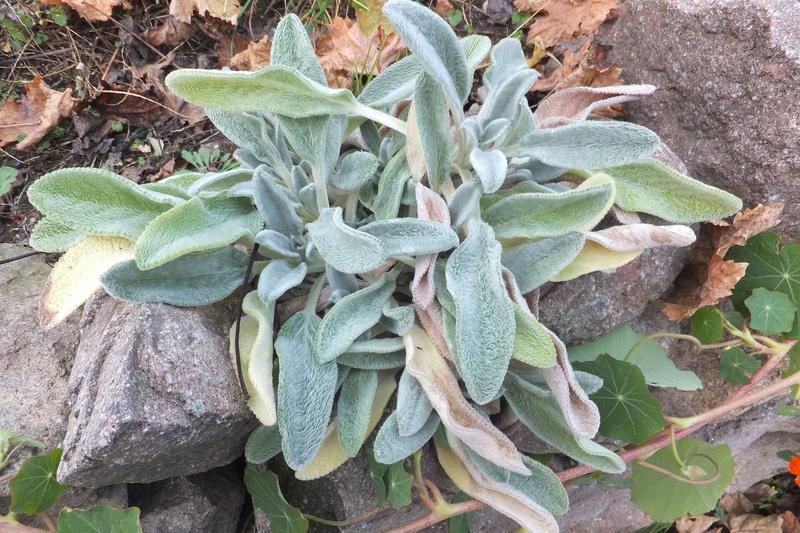
Quick facts
- Watering
- Fortnightly once established
- Sunlight
- Full sun to partial shade
- Soil
- Well-drained, poor to moderate fertility
- Humans
- Safe
- Cats
- Safe
- Dogs
- Safe
- Height
- 30–45 cm
- Spread
- 45–60 cm
- Spacing
- 40–50 cm apart
- RHS recognition
- Award of Garden Merit
About Stachys
Stachys byzantina is a beloved evergreen perennial renowned for its soft, silvery-grey, woolly leaves that feel like velvet to the touch. Native to Turkey, Iran, and Armenia, this low-growing plant has become a staple in British cottage gardens and herbaceous borders since Victorian times. UK gardeners prize it for its drought tolerance, reliable ground cover, and ability to provide year-round foliage interest even in challenging conditions. The pink-purple flower spikes that emerge in summer add vertical interest, though many gardeners remove them to maintain the foliage display.
UK fact: Stachys byzantina received the Royal Horticultural Society's Award of Garden Merit in 1993, recognising its outstanding performance in British gardens and its ability to thrive in the UK's variable climate with minimal maintenance.
Watering Stachys
Water regularly during the first growing season to establish a deep root system, then reduce frequency significantly. Once established, Stachys is exceptionally drought-tolerant and typically requires watering only during extended dry periods lasting more than three weeks. Overwatering is the most common cause of failure, particularly in heavy soils or during wet British winters. The woolly leaves are prone to rot if kept constantly moist, so always water at the base of the plant rather than overhead, and ensure excellent drainage.
Sunlight requirements
Plant in full sun for the most vibrant silver foliage and strongest growth, though it will tolerate partial shade in hotter southern regions. In the UK, south-facing or west-facing positions are ideal, providing at least 6 hours of direct sunlight daily. Avoid deep shade, which can cause the leaves to lose their distinctive silvery sheen and become prone to rot in damp conditions.
Soil and feeding
Stachys byzantina demands excellent drainage and actually prefers poor to moderately fertile soil, as overly rich conditions produce lush growth prone to rot. Sandy or gravelly soils are ideal, and the plant tolerates alkaline to neutral pH (6.5-8.0) exceptionally well. In heavy clay common across much of the UK, incorporate plenty of horticultural grit or sharp sand before planting, or grow in raised beds. Avoid moisture-retentive soils entirely, as winter wet is far more damaging than summer drought.
Stachys byzantina thrives on neglect and rarely requires feeding, as excessive nutrients produce soft, disease-prone growth. If desired, apply a light dressing of general-purpose granular fertiliser in early spring at half the recommended rate. Avoid high-nitrogen feeds, which encourage lush foliage at the expense of the plant's natural compact habit and silvery colour.
Pruning Stachys
Many gardeners remove the flower spikes as they emerge in late spring to maintain the foliage effect, though the pink-purple blooms are attractive to bees if left. After flowering, cut back spent flower stems to the basal rosette. In early spring (March), remove any winter-damaged or rotted leaves, which typically occur in the centre of established clumps. Every 3-4 years, divide congested clumps in spring, discarding the woody centre and replanting vigorous outer sections to rejuvenate the plant and prevent die-back.
Propagating Stachys
Division is the simplest and most reliable method, performed in March-April or September-October. Lift established clumps, tease apart rooted sections from the outer edges, and replant immediately. Softwood cuttings taken in May-June also root readily: remove non-flowering shoots, strip lower leaves, and insert into gritty compost in a cold frame. Stachys can also self-layer where stems touch the soil, and these rooted sections can be severed and transplanted.
Common problems
Stachys byzantina is generally trouble-free but can suffer from crown and root rot in poorly drained or overly wet conditions, particularly during damp British winters. The woolly foliage is unappealing to most pests, though slugs and snails may occasionally damage young growth in spring. Powdery mildew can appear on leaves in humid, still conditions, especially in overcrowded plantings with poor air circulation. Remove affected foliage promptly and improve spacing to prevent recurrence.
Spot a problem with your plant? Photograph the affected area using the Loam app and it will suggest the most likely cause and treatment.
Safety
- Humans
- Safe
- Cats
- Safe
- Dogs
- Safe
Toxicity information is for general guidance only.
Seasonal care calendar
Monthly care guide for Stachys in the UK, based on average conditions.
| Month | Care tasks |
|---|---|
| January | No action needed; plant is dormant but evergreen foliage provides winter interest. |
| February | Check for winter damage and remove any rotted or discoloured leaves as weather permits. |
| March | Tidy plants by removing winter-damaged foliage. Divide congested clumps and replant divisions. Apply light feed if desired. |
| April | Plant new specimens or divisions. Water new plantings regularly to establish. Watch for emerging flower spikes. |
| May | Remove flower spikes if foliage-only effect is preferred. Take softwood cuttings for propagation. Water during dry spells. |
| June | Enjoy pink-purple flower spikes if retained; deadhead after flowering. Continue taking cuttings. Water sparingly. |
| July | Cut back spent flower stems to basal foliage. Water only during prolonged drought. Monitor for powdery mildew. |
| August | Maintain tidy appearance by removing any damaged leaves. Water established plants only if soil is very dry. |
| September | Divide overcrowded clumps if needed. Plant new divisions. Reduce watering as autumn rains begin. |
| October | Final opportunity to divide and replant. Ensure good drainage before winter wet arrives. |
| November | Avoid disturbing plants. Check drainage around clumps and improve if water is pooling. |
| December | No action needed; silvery foliage provides valuable winter colour in borders and containers. |
Frequently asked questions
- How do I propagate Stachys byzantina?
- Stachys is easily propagated by division in spring or autumn. Lift established clumps, tease apart healthy outer sections with roots attached, and replant immediately at the same depth. You can also take softwood cuttings in early summer. Space divisions 30-45cm apart in well-drained soil. Division also rejuvenates tired plants and prevents central die-back.
- Why are my Stachys leaves turning green instead of silver?
- Loss of silvery colour usually indicates insufficient sunlight, overwatering, or excessive nitrogen from feeding. Move to a sunnier position, reduce watering, and avoid high-nitrogen fertilisers to restore the characteristic silver foliage. If you're unsure what's causing the problem, the Loam app can help diagnose issues through photos and provide personalised care advice based on your garden conditions.
- Should I remove the flower spikes from Stachys?
- It's a matter of preference. Many gardeners remove flower spikes as they emerge to maintain the silvery foliage effect and compact habit. However, the pink-purple flowers are attractive to pollinators, so leaving them benefits wildlife.
Got a question about growing Stachys that isn't covered here? Ask the Garden Advisor in the Loam app. It knows your saved plants and local conditions.
Related plants
This page was compiled with AI assistance and reviewed by our team. .