Prairie Mallow
Sidalcea malviflora
Perennials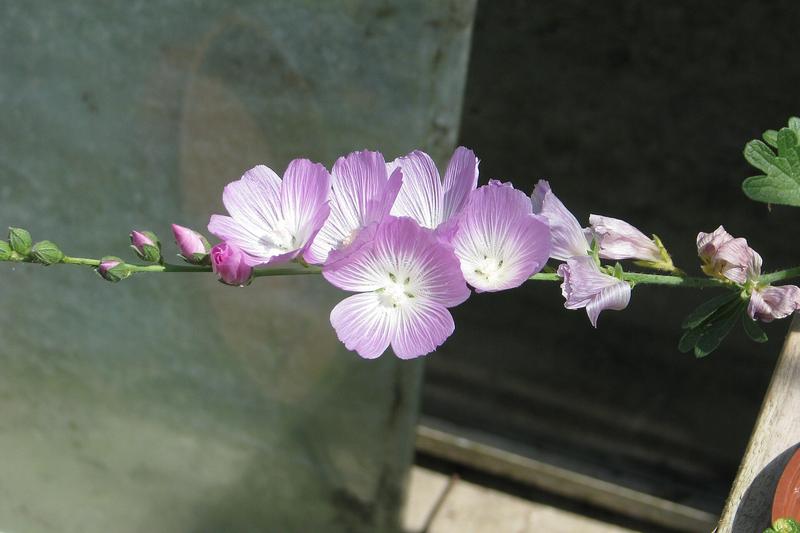
Quick facts
- Watering
- Weekly during dry spells
- Sunlight
- Full sun to partial shade
- Soil
- Moist, well-drained, fertile
- Humans
- Safe
- Cats
- Safe
- Dogs
- Safe
- Height
- 60–120 cm
- Spread
- 30–45 cm
- Spacing
- 40–50 cm apart
- RHS recognition
- Award of Garden Merit
About Prairie Mallow
Prairie Mallow is a graceful herbaceous perennial native to western North America, producing elegant spikes of pink, hollyhock-like flowers from early to late summer. Growing 60–120 cm tall, it forms neat clumps of rounded basal leaves with slender flowering stems that sway gently in the breeze. UK gardeners prize it for cottage garden borders and prairie-style plantings, where its long flowering season and pollinator appeal make it invaluable. The flowers attract bees and butterflies throughout the summer months, providing reliable colour in sunny borders.
UK fact: Several Sidalcea cultivars, including 'Elsie Heugh' and 'Oberon', have received the RHS Award of Garden Merit for their exceptional performance in British gardens, thriving particularly well in the cooler, damper conditions of northern England and Scotland.
Watering Prairie Mallow
Water regularly during the first growing season to establish a deep root system. Once established, Prairie Mallow tolerates short dry periods but performs best with consistent moisture, particularly during flowering. In typical UK summers, rainfall is usually sufficient, but water weekly during prolonged dry spells to prevent premature flowering cessation. Avoid overhead watering during bloom to prevent flower damage.
Sunlight requirements
Prairie Mallow performs best in full sun, producing the most abundant flowers and sturdy stems that require minimal staking. In southern England, light afternoon shade can help prolong flowering during hot summers. North-facing borders with good light are suitable in Scotland and northern regions, though flowering may be slightly reduced.
Soil and feeding
Prairie Mallow thrives in fertile, moisture-retentive soil that drains freely, making it ideal for improved clay loams common in British gardens. It tolerates a wide pH range from slightly acidic to neutral (pH 6.0–7.0) but struggles in very alkaline conditions. Incorporate well-rotted compost or manure before planting to improve soil structure and moisture retention. Avoid waterlogged winter conditions, which can cause crown rot.
Apply a balanced general-purpose fertiliser in early spring as new growth emerges. A second light feed after deadheading the first flush of flowers encourages repeat blooming. Avoid high-nitrogen feeds, which promote leafy growth at the expense of flowers.
Pruning Prairie Mallow
Deadhead spent flower spikes regularly throughout summer to encourage continuous blooming and prevent self-seeding. Cut back the entire plant to basal foliage in late autumn once flowering has finished and stems have died back. In mild regions, leave some seed heads for winter interest and to provide food for finches, then tidy in late winter before new growth appears.
Propagating Prairie Mallow
Divide established clumps in early spring as new shoots emerge, ensuring each division has several growing points and a good root system. Prairie Mallow can also be grown from seed sown in pots in a cold frame in spring, though cultivars will not come true and may revert to the species form. Basal cuttings taken in spring root readily in a gritty compost mix. Plants self-seed moderately in favourable conditions, and seedlings can be transplanted when large enough to handle.
Common problems
Prairie Mallow is generally trouble-free but can suffer from rust, appearing as orange pustules on leaf undersides, particularly in humid conditions or overcrowded plantings. Improve air circulation and remove affected leaves promptly. Slugs and snails may damage emerging shoots in spring; use organic controls or barriers. In very wet winters, crown rot can occur in poorly drained soils, so ensure good drainage at planting time. Aphids occasionally colonise young growth but are rarely serious and attract beneficial insects.
Spot a problem with your plant? Photograph the affected area using the Loam app and it will suggest the most likely cause and treatment.
Safety
- Humans
- Safe
- Cats
- Safe
- Dogs
- Safe
Toxicity information is for general guidance only.
Seasonal care calendar
Monthly care guide for Prairie Mallow in the UK, based on average conditions.
| Month | Care tasks |
|---|---|
| January | No action needed; plant is fully dormant. |
| February | Clear away any remaining dead foliage if not done in autumn. |
| March | Apply balanced fertiliser as new shoots emerge. Divide established clumps if required. |
| April | Mulch around plants with compost. Watch for slug damage on young growth. |
| May | Water during dry spells. Stake tall varieties if necessary. |
| June | Flowering begins. Deadhead spent blooms regularly to prolong display. |
| July | Continue deadheading. Water weekly during dry weather. Apply light feed after first flush. |
| August | Maintain deadheading and watering regime. Peak flowering period. |
| September | Flowering continues. Deadhead or allow some seed heads to form for birds. |
| October | Reduce watering as growth slows. Cut back spent stems or leave for winter interest. |
| November | Cut back to ground level if not already done. Clear debris around crown. |
| December | No action needed; plant is dormant. |
Frequently asked questions
- Why is my Prairie Mallow not flowering well?
- Insufficient sunlight is the most common cause of poor flowering in Prairie Mallow. Ensure plants receive at least six hours of direct sun daily. Overly rich soil or excessive nitrogen feeding can also promote leafy growth at the expense of flowers. Divide congested clumps every 3–4 years to maintain vigour, and deadhead regularly to encourage continuous blooming throughout summer.
- How do I know when to water my Prairie Mallow?
- Prairie Mallow needs consistent moisture during flowering but can tolerate brief dry spells once established. Check soil moisture 5 cm below the surface; if dry, water deeply. The Loam app can send personalised watering reminders based on your local weather conditions and soil type, taking the guesswork out of watering schedules.
- Can Prairie Mallow grow in clay soil?
- Yes, Prairie Mallow tolerates clay soil well, provided it's improved with organic matter and doesn't become waterlogged in winter. Dig in plenty of compost or well-rotted manure before planting to improve drainage and structure. The moisture-retentive nature of improved clay actually suits this plant, reducing watering needs during summer dry spells.
Got a question about growing Prairie Mallow that isn't covered here? Ask the Garden Advisor in the Loam app. It knows your saved plants and local conditions.
Related plants
This page was compiled with AI assistance and reviewed by our team. .