Shepherd's Purse
Capsella bursa-pastoris
Weeds and Invasives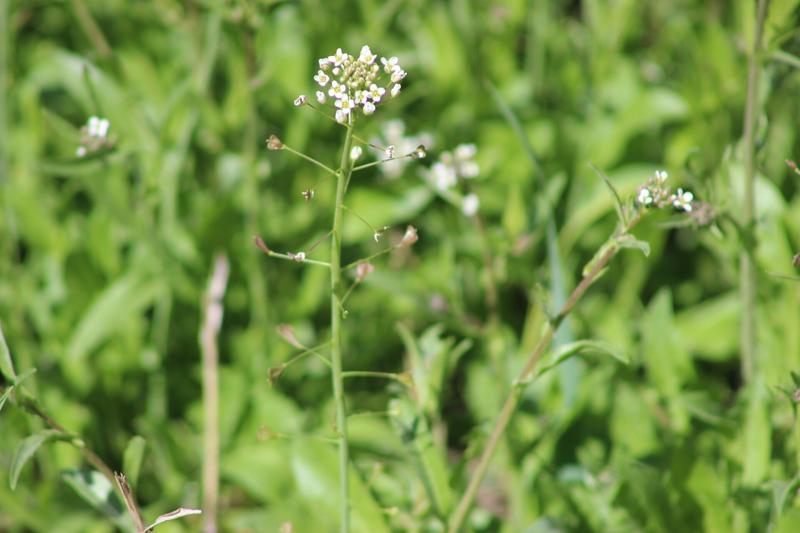
Quick facts
- Watering
- No watering required
- Sunlight
- Full sun to partial shade
- Soil
- Any soil type
- Humans
- Safe
- Cats
- Safe
- Dogs
- Safe
- Height
- 10–50 cm
- Spread
- 10–20 cm
- Spacing
- 0 cm apart
About Shepherd's Purse
Shepherd's Purse is a common annual weed found throughout the UK, recognisable by its distinctive heart-shaped seed pods that resemble old-fashioned leather purses. This member of the brassica family produces small white flowers and a basal rosette of deeply lobed leaves, thriving in disturbed soil, vegetable patches, and borders. Though considered a nuisance by most gardeners, it has historical medicinal uses and is edible when young. Native to Europe and naturalised across Britain, it can complete several generations in a single growing season, making it a persistent garden visitor.
UK fact: Shepherd's Purse has been used in British folk medicine for centuries to staunch bleeding, and during the First World War it was gathered as a substitute for scarce imported haemostatic drugs to treat wounded soldiers.
Watering Shepherd's Purse
As an unwanted weed, Shepherd's Purse requires no watering and will thrive on natural UK rainfall alone. It is remarkably drought-tolerant once established, with a deep taproot that accesses moisture even during dry spells. The plant actually benefits from the typical British climate, germinating readily after rain and growing vigorously in moist conditions. If you're attempting to control it, avoid watering affected areas as this encourages further germination from the abundant seed bank.
Sunlight requirements
Shepherd's Purse is highly adaptable and will grow in almost any light conditions, from full sun to partial shade. In UK gardens, it often thrives in sunny vegetable beds and borders but tolerates shadier spots beneath shrubs. Its ability to flourish in varied light levels contributes to its success as a widespread weed.
Soil and feeding
Shepherd's Purse is exceptionally unfussy about soil conditions and will grow in virtually any soil type, from heavy clay to light sand. It tolerates a wide pH range from acidic to alkaline (pH 4.5-8.5) and actually thrives in poor, compacted, or disturbed soils where other plants struggle. The plant is particularly common in freshly cultivated vegetable beds and newly turned borders. Its adaptability to various soil conditions is one reason it's such a successful coloniser of UK gardens.
Shepherd's Purse requires no feeding whatsoever and will grow vigorously without any supplemental nutrients. In fact, it often thrives in nutrient-poor soils where competition from other plants is reduced. Feeding garden beds may actually encourage more vigorous weed growth, so focus fertiliser applications on desired plants rather than broadcasting across entire areas.
Pruning Shepherd's Purse
The key to managing Shepherd's Purse is removing plants before they set seed, as a single plant can produce up to 40,000 seeds. Hand-pull or hoe young plants when soil is moist, ensuring you remove the entire taproot to prevent regrowth. If plants have already flowered, remove them carefully and dispose of them in council green waste bins rather than home compost heaps, as seeds can remain viable for decades. Regular cultivation and mulching can help suppress germination, but be aware that disturbing soil often brings buried seeds to the surface where they can germinate.
Propagating Shepherd's Purse
Shepherd's Purse propagates itself prolifically by seed, with no gardener intervention required or desired. Seeds germinate throughout the year in UK gardens, with main flushes in spring and autumn when soil is moist and temperatures are moderate. The tiny seeds can remain dormant in soil for 30 years or more, germinating when conditions are favourable. To prevent spread, remove plants before the heart-shaped seed pods mature and split, releasing thousands of seeds into your garden.
Common problems
Shepherd's Purse itself is rarely troubled by pests or diseases, which contributes to its success as a weed. It can, however, harbour pests and diseases that affect brassica crops, including cabbage root fly, flea beetles, and clubroot, making it particularly problematic in vegetable gardens. The main issue for UK gardeners is its aggressive self-seeding habit and ability to compete with cultivated plants for water, nutrients, and space. Its deep taproot makes it difficult to remove once established, and any root fragments left in soil can regenerate.
Spot a problem with your plant? Photograph the affected area using the Loam app and it will suggest the most likely cause and treatment.
Safety
- Humans
- Safe
- Cats
- Safe
- Dogs
- Safe
Toxicity information is for general guidance only.
Seasonal care calendar
Monthly care guide for Shepherd's Purse in the UK, based on average conditions.
| Month | Care tasks |
|---|---|
| January | Remove any winter rosettes visible in borders and vegetable beds during mild spells. |
| February | Hoe or hand-pull emerging seedlings before they establish deep taproots. |
| March | Peak germination period; remove young plants weekly to prevent establishment. |
| April | Remove flowering plants immediately before seed pods form and mature. |
| May | Check vegetable beds and borders daily; remove plants before seed dispersal. |
| June | Continue vigilant removal as plants can complete their lifecycle in 6 weeks. |
| July | Remove any plants that have escaped earlier weeding before they set seed. |
| August | Second major germination flush; hoe or hand-pull emerging seedlings promptly. |
| September | Remove autumn-germinating plants to reduce overwintering rosettes. |
| October | Clear any remaining plants and apply mulch to suppress further germination. |
| November | Remove late-season rosettes before they establish over winter. |
| December | Check for overwintering rosettes during mild weather and remove if accessible. |
Frequently asked questions
- How do I get rid of Shepherd's Purse in my garden?
- Remove Shepherd's Purse before it flowers and sets seed, ideally by hand-pulling or hoeing when plants are young and soil is moist. Ensure you remove the entire taproot to prevent regrowth. The key is persistence, as seeds can remain viable in soil for decades, so regular weeding throughout the growing season is essential. Mulching beds with 5-8cm of organic matter helps suppress germination.
- Why does Shepherd's Purse keep coming back in my vegetable patch?
- Shepherd's Purse produces up to 40,000 seeds per plant that can survive in soil for 30 years, creating a persistent seed bank. The Loam app can help you track weeding sessions and set reminders for regular checks during peak germination periods in spring and autumn, helping you stay ahead of this prolific weed before it sets more seed.
- Is Shepherd's Purse edible or useful for anything?
- Yes, young Shepherd's Purse leaves are edible and can be used in salads or cooked like spinach, with a mild peppery flavour similar to other brassicas. The plant has traditional medicinal uses for stopping bleeding and was historically important in British herbal medicine. However, most gardeners prefer to remove it before it sets seed to prevent it spreading throughout the garden.
Got a question about growing Shepherd's Purse that isn't covered here? Ask the Garden Advisor in the Loam app. It knows your saved plants and local conditions.
Related plants
This page was compiled with AI assistance and reviewed by our team. .