Self-heal
Prunella vulgaris
Wildflowers and Natives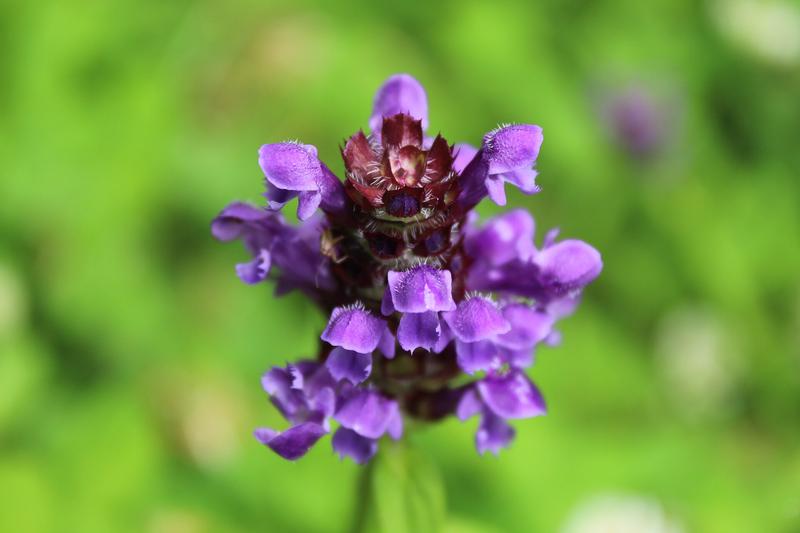
Quick facts
- Watering
- Minimal once established
- Sunlight
- Full sun to partial shade
- Soil
- Well-drained, any type
- Humans
- Safe
- Cats
- Safe
- Dogs
- Safe
- Height
- 10–30 cm
- Spread
- 30–60 cm
- Spacing
- 20–30 cm apart
About Self-heal
Self-heal is a low-growing native British wildflower with distinctive purple-violet flower spikes that appear from June to September. This hardy perennial spreads to form dense mats of foliage, making it an excellent choice for wildlife-friendly lawns, meadow gardens, and naturalised areas. UK gardeners value it for its ability to attract bees and butterflies whilst tolerating poor soils and regular mowing. Historically used in traditional herbal medicine, it remains a charming addition to cottage gardens and wild spaces across Britain.
UK fact: Self-heal is one of the few British wildflowers that can survive regular lawn mowing, flowering at just 5cm tall when cut frequently, making it ideal for creating low-maintenance flowering lawns that support pollinators throughout the summer months.
Watering Self-heal
Self-heal is exceptionally drought-tolerant once established and rarely requires watering in the UK climate. During the first growing season, water weekly during prolonged dry spells to help roots establish. Mature plants cope well with typical British rainfall and only need supplementary watering during severe droughts lasting more than three weeks. Avoid overwatering, as self-heal prefers drier conditions and can suffer from root rot in waterlogged soils.
Sunlight requirements
Self-heal thrives in full sun to partial shade, making it adaptable to various positions in the UK garden. In southern England, some afternoon shade helps prevent the foliage from scorching during hot summers. North-facing borders and dappled shade beneath trees are equally suitable, though flowering may be slightly reduced in deeper shade.
Soil and feeding
Self-heal is remarkably unfussy about soil type and will grow in clay, loam, chalk, or sandy soils provided drainage is reasonable. It tolerates a wide pH range from acidic to alkaline (pH 5.5-8.0), making it suitable for most UK gardens. Poor, infertile soils are actually preferable, as rich soils encourage excessive leaf growth at the expense of flowers. Avoid heavy, waterlogged clay in winter, though light clay soils are perfectly acceptable.
Self-heal requires no feeding and actually performs better in poor soils where it produces more flowers and less leafy growth. Avoid fertilisers entirely, as nutrient-rich conditions encourage vigorous spreading that can become invasive in borders and reduce flowering.
Pruning Self-heal
Self-heal requires minimal pruning and can be left to self-seed naturally in wild gardens and meadows. Deadhead spent flower spikes in July and August to encourage a second flush of blooms into autumn. In lawn situations, regular mowing keeps plants compact and encourages low flowering stems. Cut back tatty foliage in late autumn or early spring to tidy the plant before new growth emerges.
Propagating Self-heal
Self-heal propagates readily from seed sown in spring or autumn directly where it is to grow, requiring no special treatment as it germinates freely in UK conditions. Division of established clumps in spring or autumn is equally successful, with sections replanting easily even in dry weather. Self-heal also self-seeds prolifically, often appearing in lawns and paving cracks without intervention. Cuttings can be taken from non-flowering shoots in early summer, rooting within two to three weeks in moist compost.
Common problems
Self-heal is largely trouble-free and suffers from few pests or diseases in UK gardens. Its main issue is vigorous spreading in favourable conditions, where it can become invasive in borders and outcompete less robust plants. Powdery mildew may occasionally affect foliage during dry summers, though this is rarely serious and doesn't require treatment. Slugs and snails generally avoid self-heal, making it useful in wildlife gardens where chemical controls are avoided.
Spot a problem with your plant? Photograph the affected area using the Loam app and it will suggest the most likely cause and treatment.
Safety
- Humans
- Safe
- Cats
- Safe
- Dogs
- Safe
Toxicity information is for general guidance only.
Seasonal care calendar
Monthly care guide for Self-heal in the UK, based on average conditions.
| Month | Care tasks |
|---|---|
| January | No action needed; plants fully dormant. |
| February | No action needed; plants dormant. |
| March | Cut back old foliage as new growth emerges. Divide established clumps if required. |
| April | Sow seeds directly outdoors. New foliage develops rapidly. |
| May | Monitor spreading growth in borders. Flower buds begin to form. |
| June | Flowering begins. Deadhead early blooms to prolong display. |
| July | Peak flowering period. Deadhead regularly to encourage further blooms. |
| August | Continue deadheading. Collect seed if desired for propagation. |
| September | Flowering continues into early autumn. Allow some seed heads to develop for self-seeding. |
| October | Flowering finishes. Divide plants if necessary. Sow seeds for spring germination. |
| November | Cut back tatty foliage or leave for wildlife shelter over winter. |
| December | No action needed; plants dormant. |
Frequently asked questions
- Is self-heal invasive in UK gardens?
- Self-heal can spread vigorously in favourable conditions but is easily controlled by pulling or mowing. In wildlife lawns and meadows it's beneficial, but in formal borders it may need regular thinning to prevent it outcompeting other plants. Its shallow roots make removal straightforward if it becomes too prolific.
- Why isn't my self-heal flowering as much as expected?
- Self-heal flowers less in rich soils, deep shade, or when overfed. The Loam app can help you track your soil conditions and light levels to optimise flowering, and send reminders to deadhead spent blooms for a second flush in late summer.
- Can self-heal grow in a lawn that's regularly mowed?
- Yes, self-heal is one of the best wildflowers for flowering lawns as it tolerates regular mowing and will bloom at just 5cm tall. Reduce mowing frequency to every two to three weeks during summer to allow more flowers to develop and support pollinators whilst maintaining a neat appearance.
Got a question about growing Self-heal that isn't covered here? Ask the Garden Advisor in the Loam app. It knows your saved plants and local conditions.
Related plants
This page was compiled with AI assistance and reviewed by our team. .