Scorzonera
Scorzonera hispanica
Vegetables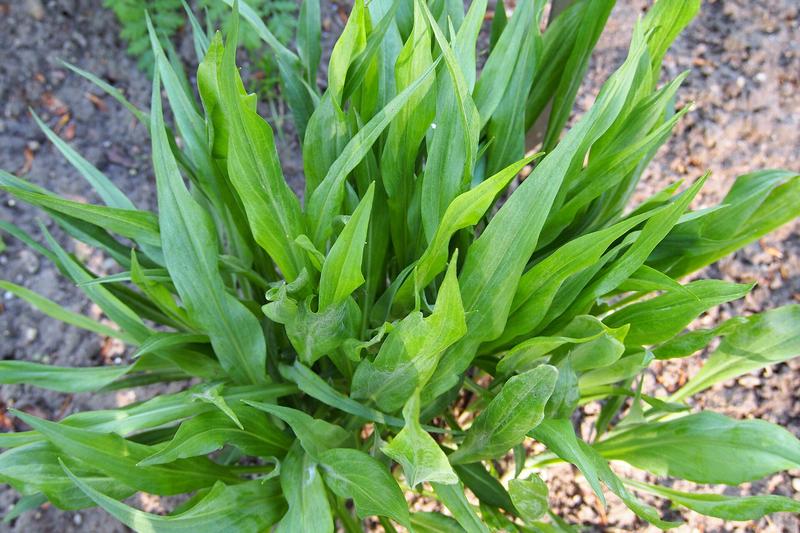
Quick facts
- Watering
- Weekly during dry spells
- Sunlight
- Full sun to partial shade
- Soil
- Deep, well-drained, sandy loam
- Humans
- Safe
- Cats
- Safe
- Dogs
- Safe
- Height
- 60–90 cm
- Spread
- 15–25 cm
- Spacing
- 10–15 cm apart
About Scorzonera
Scorzonera is a hardy perennial root vegetable grown as an annual, producing long, black-skinned taproots with delicate white flesh that tastes similar to asparagus or artichoke. Native to southern Europe, it has been cultivated in British kitchen gardens since the 17th century, though it remains relatively uncommon today. UK gardeners prize scorzonera for its winter hardiness, allowing roots to be lifted fresh from November through to March when few other vegetables are available. The plant produces narrow, grass-like leaves and can reach up to 90cm tall if allowed to flower, though it is typically grown solely for its edible roots.
UK fact: Scorzonera was a popular Victorian kitchen garden vegetable in Britain, featured in Mrs Beeton's Book of Household Management (1861), but fell out of favour during the 20th century as more convenient vegetables became available, making it a heritage crop now experiencing a revival among allotment holders.
Watering Scorzonera
Water regularly during establishment and through dry summer periods to encourage deep, straight root growth and prevent the roots from becoming woody or forked. In typical UK summers, rainfall is often sufficient, but during prolonged dry spells water deeply once a week rather than little and often. Reduce watering in autumn and winter when roots are maturing, as scorzonera is very drought-tolerant once established. Avoid waterlogging, which can cause roots to rot.
Sunlight requirements
Scorzonera performs best in full sun but tolerates partial shade, making it suitable for allotments with dappled light or north-facing beds. In the UK, a south or west-facing position encourages the longest, straightest roots. Plants in shadier spots will still produce edible roots but may take longer to reach harvestable size.
Soil and feeding
Scorzonera requires deep, stone-free soil to accommodate its long taproots, which can reach 30cm or more. A light, sandy loam is ideal, though any well-drained soil improved with organic matter will suffice. The soil should be deeply dug to at least 40cm and all stones removed to prevent forked or misshapen roots. Scorzonera tolerates a wide pH range from 6.0 to 7.5 but performs best in neutral to slightly alkaline conditions. Avoid freshly manured ground, which causes roots to fork; instead, grow scorzonera in ground manured for a previous crop.
Scorzonera requires minimal feeding and performs best in moderately fertile soil. Avoid high-nitrogen fertilisers, which encourage leafy growth at the expense of root development. A light application of general-purpose fertiliser or well-rotted compost when preparing the bed is usually sufficient for the entire growing season.
Pruning Scorzonera
Remove any flower stalks as soon as they appear to direct the plant's energy into root production rather than seed formation. If growing scorzonera as a perennial for its edible shoots (a less common practice), allow some plants to overwinter and cut back dead foliage in late winter. For annual root production, no other pruning is required, though yellowing outer leaves can be removed to improve air circulation and reduce slug hiding places.
Propagating Scorzonera
Scorzonera is grown from seed sown directly outdoors, as the long taproot does not transplant well. Sow seeds thinly in drills 1.5cm deep from April to early May once soil has warmed to at least 7°C. Germination can be slow and erratic, taking 2-3 weeks, so be patient and keep the soil moist. Thin seedlings to 10-15cm apart when large enough to handle, using the thinnings as salad leaves if desired. For the longest roots, scorzonera requires a full growing season of 5-6 months, so avoid sowing too late.
Common problems
Scorzonera is relatively trouble-free but can suffer from white blister (a fungal disease causing white pustules on leaves) in damp conditions; remove affected leaves promptly and improve air circulation. Slugs and snails may damage young seedlings in spring, so use organic controls or barriers until plants are established. Root aphids occasionally attack the roots, causing stunted growth; crop rotation helps prevent this. The main cultural problem is forked or fanged roots caused by stony soil or fresh manure, so thorough soil preparation is essential for straight, uniform roots.
Spot a problem with your plant? Photograph the affected area using the Loam app and it will suggest the most likely cause and treatment.
Safety
- Humans
- Safe
- Cats
- Safe
- Dogs
- Safe
Toxicity information is for general guidance only.
Seasonal care calendar
Monthly care guide for Scorzonera in the UK, based on average conditions.
| Month | Care tasks |
|---|---|
| January | Lift roots as needed from stored crops or overwintered plants in the ground. Plan crop rotation for spring sowing. |
| February | Continue lifting roots from overwintered plants. Prepare beds by deep digging and removing stones. |
| March | Finish lifting overwintered roots before new growth begins. Complete bed preparation, incorporating well-rotted compost. |
| April | Sow seeds directly outdoors from mid-April onwards once soil temperature reaches 7°C. Keep seedbed moist to aid germination. |
| May | Continue sowing until early May for succession. Thin seedlings to 10-15cm apart. Water during dry spells and weed regularly. |
| June | Water established plants during dry periods. Hoe between rows to control weeds. Remove any flower stalks that appear. |
| July | Continue watering during dry spells. Remove flower stalks promptly. Monitor for pests and diseases. |
| August | Reduce watering as roots begin to mature. Keep beds weed-free. Remove any yellowing foliage. |
| September | Roots are nearing maturity but benefit from staying in the ground longer. Minimal watering required. |
| October | Begin lifting roots from late October onwards, or leave in ground for winter harvesting. Roots improve in flavour after frost. |
| November | Lift roots as needed for fresh use, or mulch rows with straw to ease lifting during hard frosts. |
| December | Continue lifting roots as required. In severe weather, lift and store roots in sand in a frost-free shed. |
Frequently asked questions
- When should I harvest scorzonera in the UK?
- Harvest scorzonera from late October onwards, typically 5-6 months after sowing. Roots can be left in the ground throughout winter and lifted as needed until March, as frost improves their flavour. For the best texture, harvest when roots are 2-3cm in diameter and at least 20cm long.
- Why are my scorzonera roots forked or misshapen?
- Forked roots are usually caused by stony soil or freshly applied manure. The Loam app can help you track soil preparation and amendments to ensure optimal growing conditions. Deep digging to 40cm and removing all stones before sowing will produce the straightest roots.
- Can I grow scorzonera in containers?
- Scorzonera is challenging to grow in containers due to its long taproot, which can reach 30cm or more. If you must use containers, choose very deep pots (at least 45cm) filled with light, stone-free compost. However, in-ground cultivation in deeply prepared beds produces far superior results.
Got a question about growing Scorzonera that isn't covered here? Ask the Garden Advisor in the Loam app. It knows your saved plants and local conditions.
Related plants
This page was compiled with AI assistance and reviewed by our team. .