Salsify
Tragopogon porrifolius
Vegetables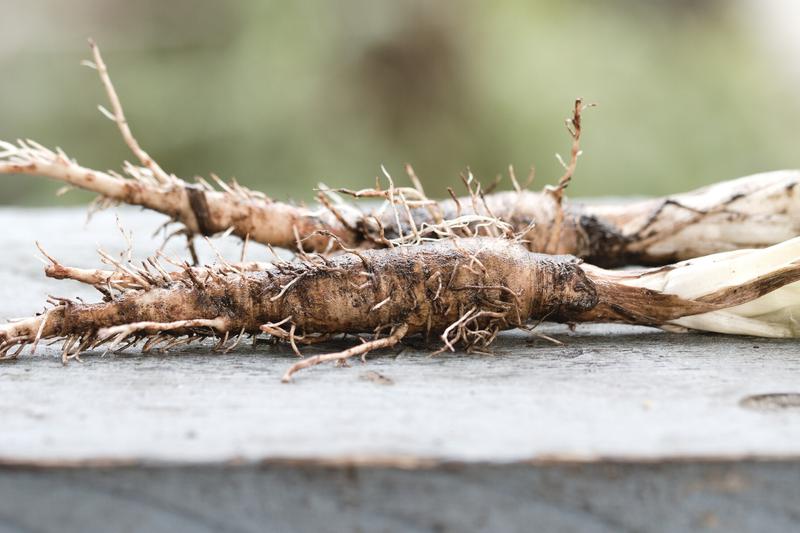
Quick facts
- Watering
- Weekly during dry spells
- Sunlight
- Full sun
- Soil
- Deep, stone-free, well-drained
- Humans
- Safe
- Cats
- Safe
- Dogs
- Safe
- Height
- 60–120 cm
- Spread
- 10–15 cm
- Spacing
- 10–15 cm apart
About Salsify
Salsify is a hardy biennial vegetable grown for its long, tapering white roots with a delicate oyster-like flavour. Native to the Mediterranean, it produces grass-like foliage and attractive purple daisy-like flowers in its second year if left unharvested. UK gardeners prize salsify as a gourmet winter vegetable that thrives in cooler climates and can be left in the ground until needed. Its unusual flavour and Victorian heritage make it a rewarding choice for adventurous kitchen gardeners.
UK fact: Salsify was a popular Victorian vegetable in British kitchen gardens and featured prominently in Mrs Beeton's Book of Household Management, though it fell out of favour in the 20th century and is now enjoying a revival among heritage vegetable enthusiasts.
Watering Salsify
Water salsify regularly during establishment and dry periods to prevent roots from becoming woody or splitting. In typical UK conditions, rainfall is often sufficient, but during dry spells water deeply once weekly to encourage straight, tender roots. Avoid overwatering as this can lead to forked roots and increased disease risk. Consistent moisture is particularly important during summer when roots are actively developing.
Sunlight requirements
Salsify performs best in full sun, requiring at least six hours of direct sunlight daily to develop good-sized roots. In the UK, choose an open, south-facing position away from shade cast by buildings or trees. Plants will tolerate very light shade but root development may be slower and less substantial.
Soil and feeding
Salsify requires deep, light, stone-free soil to allow the long taproots to develop straight and unbranched. Heavy clay soils should be improved with sharp sand and organic matter, or grow in raised beds. The ideal pH is neutral to slightly alkaline (6.5-7.5). Avoid freshly manured ground as this causes roots to fork; instead, grow salsify in ground manured for a previous crop.
Salsify requires minimal feeding and grows best in moderately fertile soil. Avoid high-nitrogen fertilisers which promote leafy growth at the expense of root development. If soil is poor, apply a general-purpose fertiliser at planting time, but well-prepared ground from a previous crop usually provides sufficient nutrients.
Pruning Salsify
No pruning is required for salsify grown as an annual root crop. Remove any flower stems that appear in the first year to direct energy into root development. If growing for seed or allowing plants to flower in their second year for ornamental interest, simply remove spent flower heads to prevent excessive self-seeding around the garden.
Propagating Salsify
Salsify is grown from seed sown directly outdoors in spring, as it does not transplant well due to its long taproot. Sow seeds thinly in drills 1.5cm deep from March to May, once soil has warmed. Germination takes 14-21 days. Thin seedlings to 10-15cm apart when large enough to handle, as overcrowding leads to small, forked roots. Seeds remain viable for only one year, so use fresh seed each season for best results.
Common problems
Salsify is relatively trouble-free but can suffer from white blister (a fungal disease causing white pustules on leaves) in damp conditions; remove affected leaves promptly. Carrot fly can occasionally attack roots, so consider growing under horticultural fleece or in rotation with other crops. Roots may fork if grown in stony or freshly manured soil, or become woody if allowed to dry out. Bolting in the first year can occur if plants experience cold periods after germination, so avoid very early sowings in exposed areas.
Spot a problem with your plant? Photograph the affected area using the Loam app and it will suggest the most likely cause and treatment.
Safety
- Humans
- Safe
- Cats
- Safe
- Dogs
- Safe
Toxicity information is for general guidance only.
Seasonal care calendar
Monthly care guide for Salsify in the UK, based on average conditions.
| Month | Care tasks |
|---|---|
| January | Harvest remaining roots from the ground as needed, or leave in situ until required. |
| February | Continue harvesting overwintered roots. Prepare beds for spring sowing by removing stones. |
| March | Sow seeds directly outdoors in prepared drills from mid-month onwards in milder regions. |
| April | Main sowing period. Sow seeds directly in drills and keep soil moist for germination. |
| May | Final sowings for late crops. Thin early sowings to 10-15cm spacing. Water during dry spells. |
| June | Keep beds weed-free and water regularly during dry periods to encourage root development. |
| July | Continue watering during dry spells. Remove any premature flower stems to focus energy on roots. |
| August | Maintain consistent moisture levels. Roots are developing rapidly now. |
| September | Reduce watering as growth slows. Roots are nearing maturity. |
| October | Begin harvesting roots from late in the month. Flavour improves after first frosts. |
| November | Main harvest period. Lift roots carefully with a fork or leave in ground and harvest as needed. |
| December | Continue harvesting. In cold areas, mulch rows with straw to prevent ground freezing. |
Frequently asked questions
- When should I harvest salsify in the UK?
- Harvest salsify from October onwards, once roots have reached 20-25cm long and foliage begins to die back. Flavour improves significantly after the first frosts, so many gardeners wait until November or December. Roots can be left in the ground over winter and lifted as needed, or harvested all at once and stored in sand in a frost-free shed.
- Why are my salsify roots forking and misshapen?
- Forked roots are usually caused by stony soil, fresh manure, or root disturbance during transplanting. Salsify needs deep, stone-free soil to grow straight. The Loam app can help you track soil preparation and set reminders for direct sowing at the optimal time, ensuring better root development.
- Can I grow salsify in containers?
- Salsify can be grown in deep containers (at least 45cm deep) filled with light, stone-free compost, though roots may be shorter than those grown in open ground. Choose a large pot or trough, sow seeds thinly, and thin to 10cm spacing. Container-grown salsify requires more consistent watering than ground-grown plants.
Got a question about growing Salsify that isn't covered here? Ask the Garden Advisor in the Loam app. It knows your saved plants and local conditions.
Related plants
This page was compiled with AI assistance and reviewed by our team. .